
Related videos:
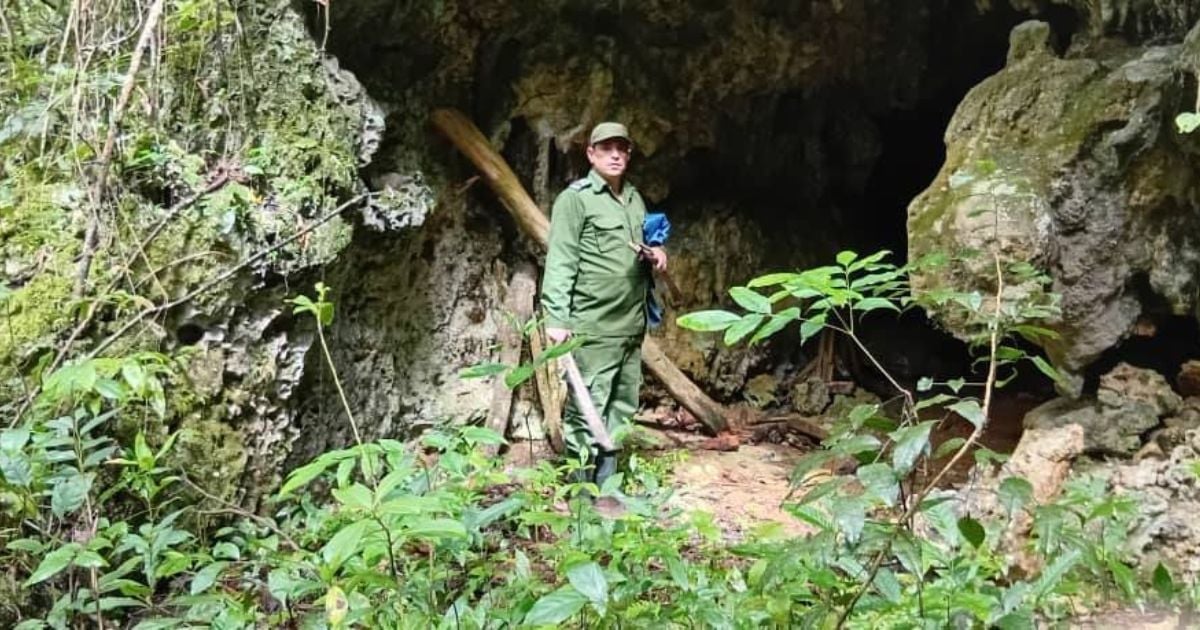
A habitual spokesperson for the Cuban government defended the use of natural caves as shelters in Guantánamo, describing it as a “measure of popular intelligence and proven survival” in the face of Hurricane Melissa.
The message was posted by Carlos Pérez, who rejected the mockery and criticism that arose on social media after it was revealed that caves were being made available in the municipality of Yateras, in the province of Guantánamo, to protect residents of remote communities.
Pérez described on those who mocked the measure as "cynical" and "apatriotic," and stated that Cuba's Civil Defense system "is a globally recognized benchmark by the UN for its ability to protect human life above all else."
"Evacuating to caves is no joke; it is a measure of popular intelligence and proven survival that ensures safety where inadequate housing would fail," wrote the communicator in their post.
Additionally, he acknowledged that this "more natural" measure is due to the fact that Cuba "does not have unlimited resources, but has been able to compensate for the scarcity with organization and popular awareness."
His message comes after the president of the Municipal Assembly of People's Power in Yateras, Yulien Salina Gallardo, also reported on Facebook—post removed hours later—that several natural caves had been prepared to temporarily shelter vulnerable families during the cyclone's passage.
Salina explained that these natural shelters had been used in previous hurricanes and that "they are prepared in a hygienic and safe manner for the protection" of the population.
The caves, she added, offer an alternative in areas where there are no solid structures capable of withstanding strong winds.
The use of this type of shelter is not new in eastern Cuba. In the mountainous municipalities of Guantánamo and Santiago de Cuba, local authorities have resorted to this measure during previous weather events due to the lack of adequate infrastructure or the remoteness of rural communities.
In addition, informally and aside from the guidelines of the Civil Defense, some inhabitants of rural areas use these shelter routes due to the lack of safer and more hygienic alternatives provided by the regime.
Meanwhile, Hurricane Melissa, with sustained winds of 295 kilometers per hour, continues to move across the Caribbean as a category five.
In Guantánamo, more than 100,000 people have been evacuated as part of the emergency plan, which includes official shelters, schools, religious temples, and communal homes.
Cuban authorities and religious institutions insist that the priority is to protect human life and reduce risks in the face of a phenomenon that is expected to bring heavy rains, coastal flooding, and landslides in the eastern provinces.
Filed under: