
Related videos:
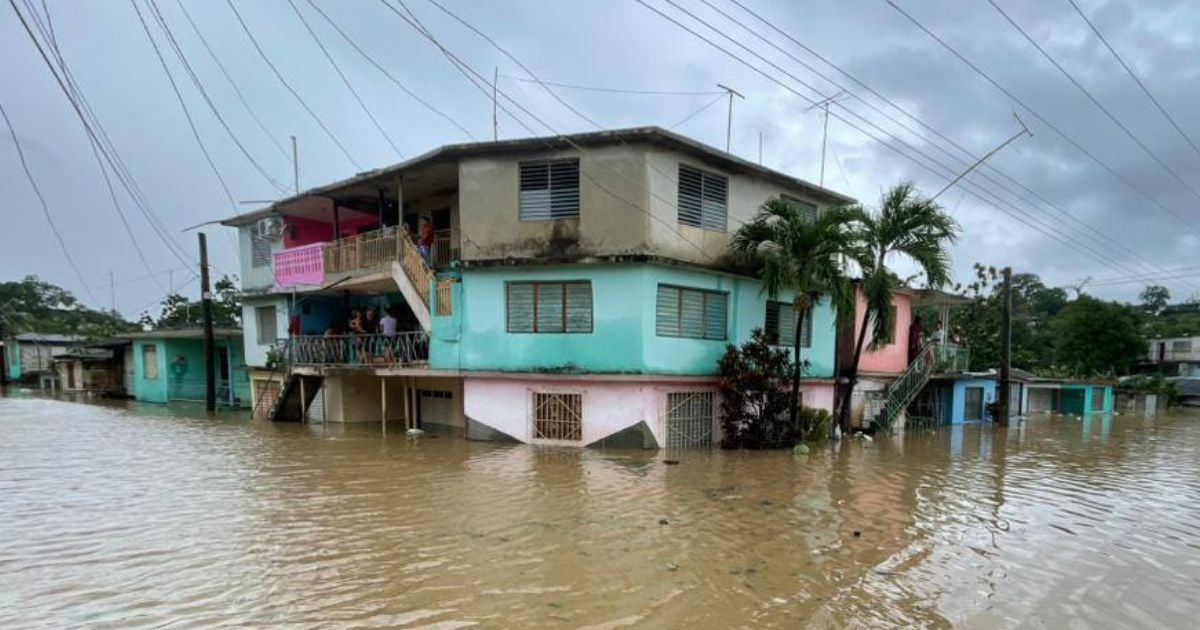
While the authorities continue to assess the damage caused by Hurricane Melissa in eastern Cuba, citizen and community initiatives have taken the lead over the State to organize relief campaigns for the affected individuals.
Yankiel Fernández, leader of the solidarity initiative Ministry of Breath of Life, launched a for solidarity from Havana before the arrival of the hurricane.
"We still have time, and that time is worth lives, homes, and hope," he wrote on social media, urging people to mobilize with donations before the cyclone's impact.
"This is the time to prevent together, to organize aid before the impact, to show that solidarity can act before tragedy," Fernández stated, having set up a collection center in the Cerro municipality, at the ministry's headquarters, to receive non-perishable food, bottled water, hygiene products, clothing, footwear, medications, and school supplies for children.
This Thursday, after the passage of Melissa, the leader confirmed that the collected items will be delivered directly to the provinces of Santiago de Cuba and Holguín, two of the areas most affected by the rains and winds.
"Let the world see, once again, that Cuba rises united, supportive, and vibrant, not only after disaster strikes but before it occurs," he stated.
The Aliento de Vida initiative was joined by the Palomas Project. One of its members, Sergio E. Cabrera, announced that the organization's headquarters will remain open in Havana to receive donations.
"The doors of the Palomas Project will be open Monday to Friday from 6:00 a.m. to 4:00 p.m. for anyone who wishes to help those affected," he posted on his Facebook profile.
Cabrera specified that there will be no time limits or restrictions on the type of assistance, because "at this moment, anything can help those who have lost everything or almost everything."
The project's headquarters, located in Almendares between Desagüe and Benjumeda, near the National Bus Terminal, has become another collection point within the capital.
Both initiatives reflect a growing movement of civic solidarity that stands in contrast to the slow response of official emergency structures.
On social media, numerous users praised the spontaneous organization of churches, civic groups, and neighbors who, without state support, are gathering resources to send to the eastern part of the country.
The organizers of the solidarity campaigns assure that they will continue to accept donations in the coming days and urge that "prevention and empathy also be acts of resistance and hope."
In response to the impact of Hurricane Melissa in eastern Cuba, various sectors of civil society have independently mobilized to provide assistance to those affected.
From the Isle of Youth, a local entrepreneur made a call for solidarity, setting up his home as a collection center for food, medicine, hygiene products, and clothing. This action reflects a growing community awareness in light of the authorities' inaction.
For their part, various Cubans on the island have organized a solidarity campaign aimed at providing direct assistance to the hardest-hit areas. The initiative has been coordinated through social media, where the organizers have shared lists of needs and arranged drop-off points, demonstrating a strong capacity for community self-management.
The response has also come from abroad. In Miami, Cubans living in exile joined the wave of support, organizing fundraising campaigns and gathering supplies to send to the island.
This transnational collaboration has strengthened the ties between the diaspora and residents in Cuba, in a gesture that transcends political differences.
The artistic community has also played its part. The urban singer known for the song "Mamá estoy brillando" announced a donation for the affected individuals, joining other creators who have leveraged their visibility to promote assistance and raise awareness about the extent of the disaster.
Filed under: