
Related videos:
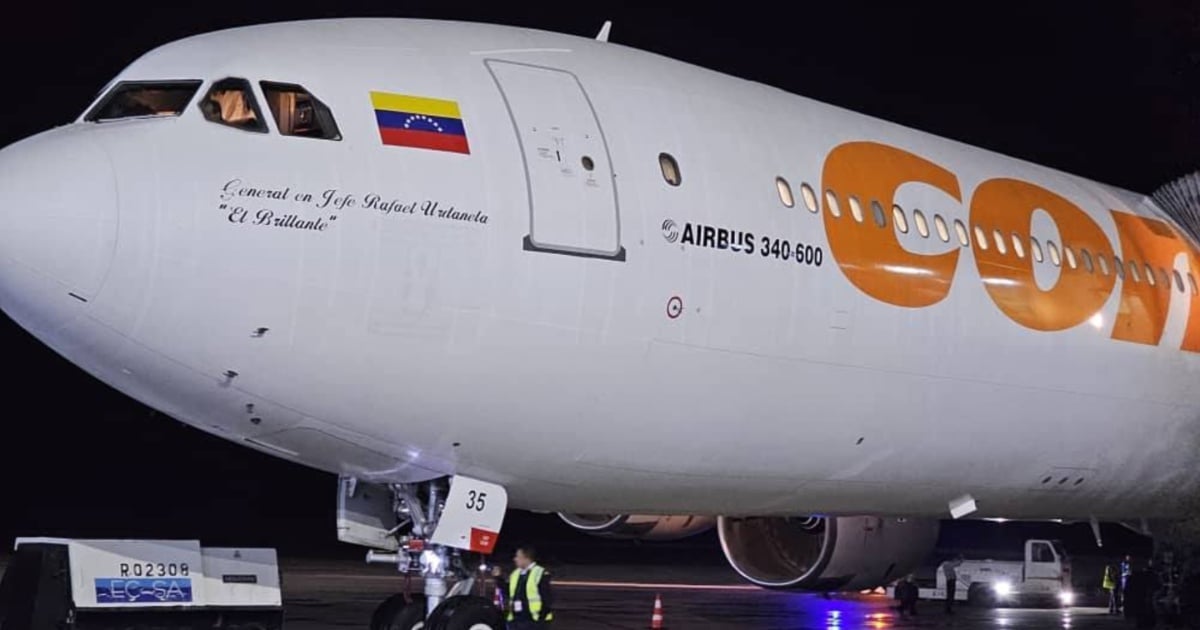
The Juan Gualberto Gómez International Airport in Varadero received early Wednesday morning the first flight from St. Petersburg operated by the Venezuelan state airline Conviasa, marking the inauguration of a route that directly connects one of Russia's major cities with Cuba's primary tourist hub.
According to the agency Sol de Cuba, travelers were welcomed with Cuban music and snacks, in an effort to boost the struggling tourism on the island.
The new connection strengthens the tourism ties between Russia and Cuba by facilitating direct access to Varadero and opening a direct entry point from one of the main allies of the Cuban regime.
From an institutional perspective, the opening of the route reinforces Cuba's commitment to diversifying its source markets and to the recovery of the sector.
In April, the Venezuelan state airline Conviasa canceled its flight program between Caracas, Moscow, and Havana, which had been operating since 2023. The decision directly affected the already deteriorating air connectivity in Cuba.
The Association of Tour Operators of Russia (ATOR) reported that the last flight from Moscow to Caracas with a stopover in Havana was scheduled for April 28.
While the Cuban regime was promoting ambitious plans to modernize José Martí International Airport, international airlines continued to withdraw their operations due to low demand and poor operational conditions.
At the beginning of April, airlines such as Avianca, Copa, and Wingo were maintaining flights from Colombia to Havana with occupancy rates below 70%, levels considered economically unviable for commercial airlines.
According to experts, for a flight to be sustainable, it must have an occupancy rate exceeding 80% and achieve an average fare of at least 300 dollars per passenger.
In contrast to this reality, Cuban authorities presented plans at the International Transport and Logistics Fair to remodel runways, platforms, and terminals, and even inaugurated a new hall with a capacity for 300 passengers in Terminal 3.
However, these announcements seem to be insufficient to stop the exodus of international airlines.
Filed under: