
Related videos:
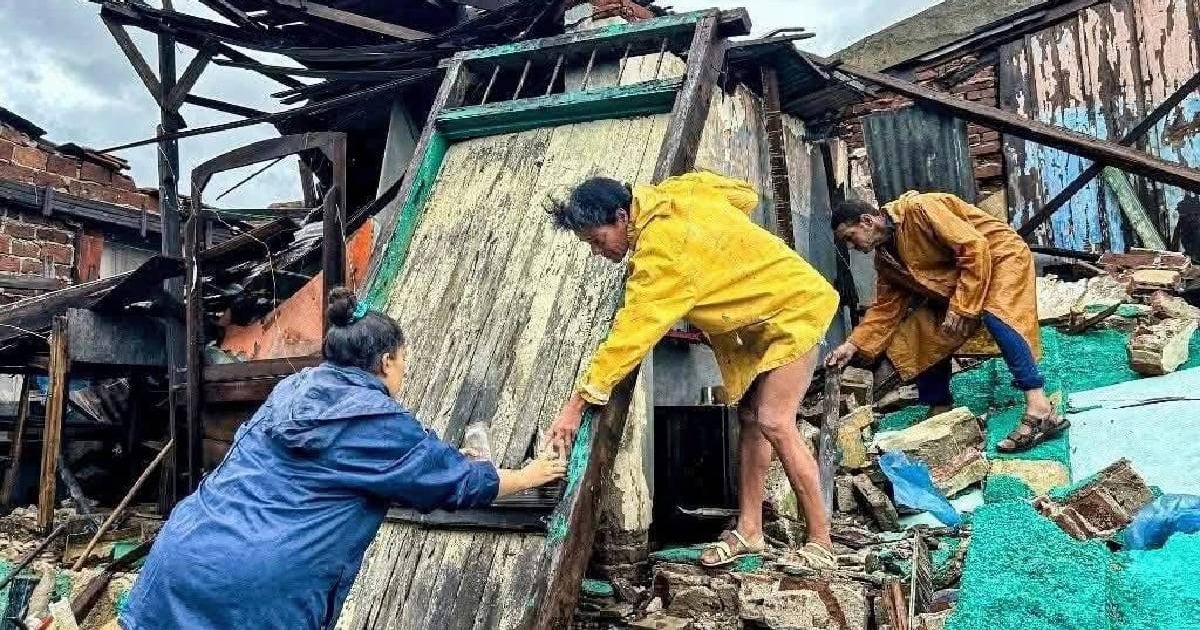
Cuban authorities reported that more than 95,000 homes were damaged in the province of Santiago de Cuba following the devastating passage of Hurricane Melissa, which struck the eastern part of the country at the end of October and left a trail of destruction in the region.
The data was provided during a meeting of the Provincial Defense Council, led by Prime Minister Manuel Marrero Cruz, who visited the province on Wednesday to assess the progress of the recovery.
“The damage to homes amounts to over 95,000. Meanwhile, electrical recovery stands at 43% in the province, while the city of Santiago is expected to reach 84% today,” reported the Presidencia de Cuba on its official account on the social network X (formerly Twitter).
Material damages are mainly focused on houses with collapsed roofs, partial collapses, and total losses, along with impacts on schools, health centers, and communication routes.
Despite the efforts of the recovery teams, less than half of the provincial electric service has been restored, leaving thousands of families without power in municipalities such as Songo-La Maya, Palma Soriano, and Contramaestre.
The recovery process is progressing slowly due to a lack of resources and construction materials, in the context of a severe economic crisis and shortages.
Authorities have called for "patience" and assure that the repair of basic services is being prioritized, although the population reports delays and a lack of government attention.
"The situation in many neighborhoods of Santiago remains bleak: roofs torn off, streets filled with debris, and families who do not know when they will be able to rebuild their homes," a affected local resident told the local media Sierra Maestra.
According to official data, the provincial capital expects to restore 84% of the electrical service before the end of the day, while roofs, wood, and materials are being distributed in the most affected areas.
The Electric Company of Santiago de Cuba is working with support brigades from other provinces to reconnect critical circuits, hospitals, and production centers.
However, local sources warn that the shortage of materials and the poor condition of the infrastructure could extend the recovery process by weeks or even months.
Filed under: