
Related videos:
The authorities of Río Cauto, in the province of Granma, stated that the State "subsidizes, but does not give away" the mattresses provided to families affected by Hurricane Melissa.
The information was shared on Facebook by José Manuel Rodríguez Valdivia, who identifies as a local government employee and spokesperson for the Department of Prevention and Social Work.
In her post, she explained that there are two types of mattresses distributed: some come from donations and are given for free, while others are purchased by the state, with a base price of 911 pesos.
According to Rodríguez, the State "subsidizes" 50% of the cost for those "with economic capacity" and covers 100% for cases of social assistance.
"In addition, payment options by card are available, adapting to the capacity of each household," the official boasted.
However, in practice, many of the families affected by the hurricane lost their homes and belongings, and are surviving on state wages that are not sufficient to replace what they lost.
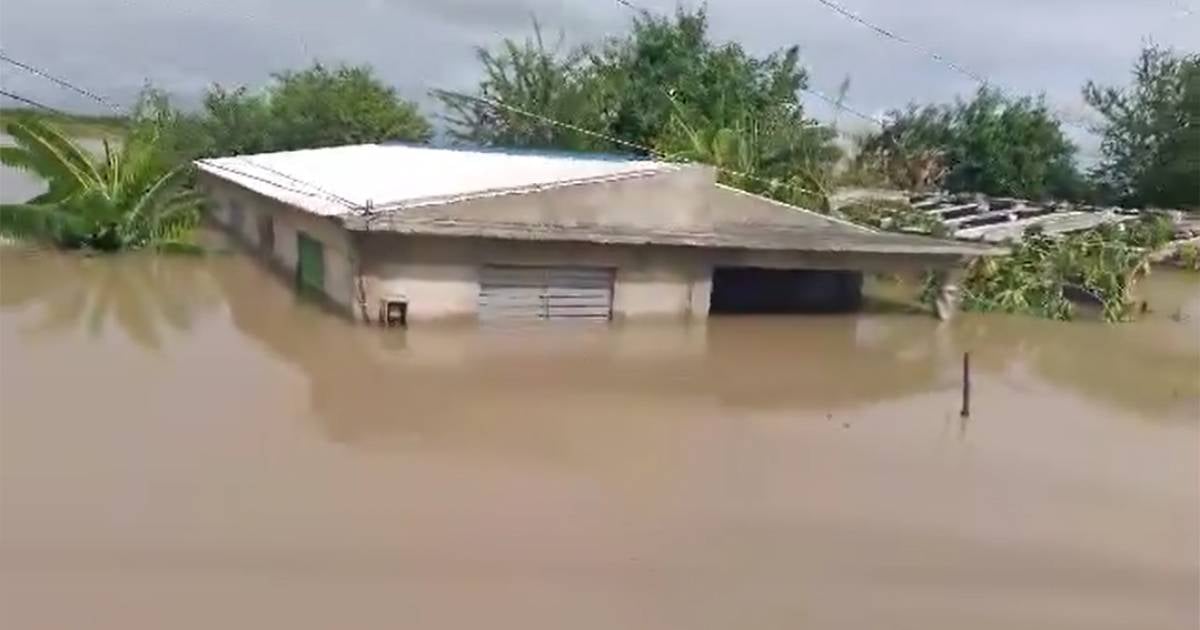
The passage of Hurricane Melissa in October caused serious damage in eastern Cuba, particularly in Granma, where communities such as Río Cauto experienced flooding, damage to homes, and significant material losses.
In that context, the government's decision to charge victims part of the cost of mattresses is a demonstration of insensitivity towards the suffering of the most vulnerable.
While local authorities insist that it is a "fair and subsidized" mechanism, the reality is that in a country where the average salary barely reaches 6,000 pesos, requiring payments from people who have lost everything is another blow to a population already worn down by the economic crisis and ongoing natural disasters.
After Melissa's passage through eastern Cuba, once again the Cuban government resorted to its repeated formula of "aid" following natural disasters: announcing price reductions on construction materials and offering bank loans to those who have lost everything.
However, the big question is not just whether the regime truly wants to "help," but in a nation with a depressed construction materials industry, where will these come from?
Filed under: