
Related videos:
In the wake of the severe damage caused by Hurricane Melissa in the province of Granma, UNICEF Cuba's efforts have made a significant difference for thousands of families who had been without access to drinking water for weeks.
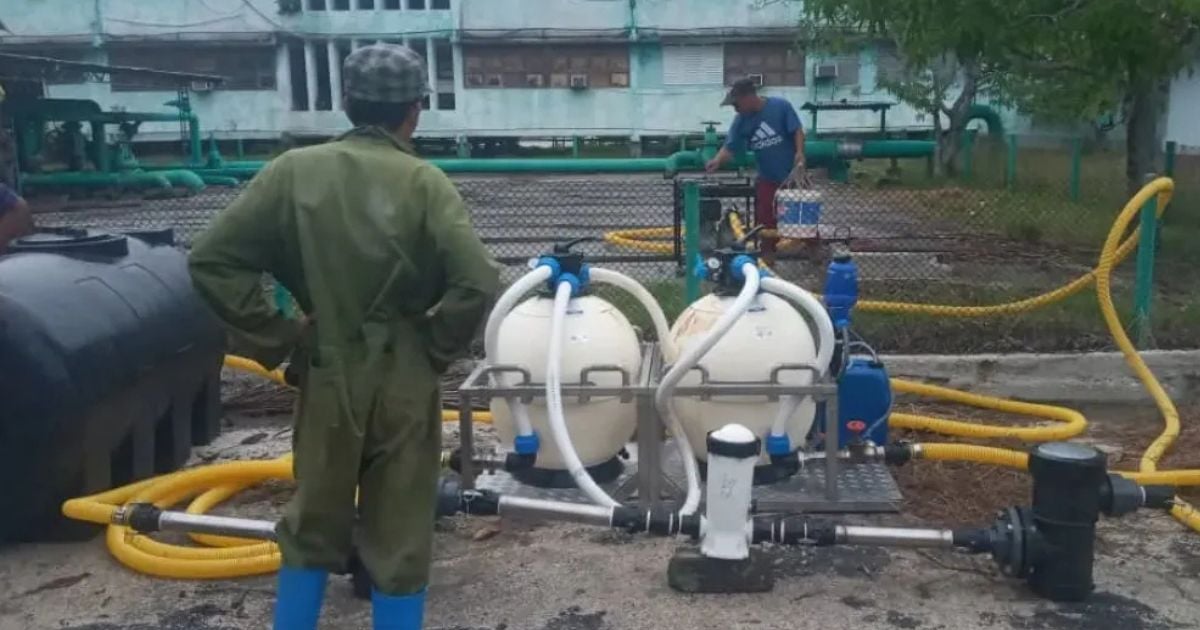
According to the website of the United Nations agency, in technical coordination with the National Institute of Hydraulic Resources (INRH), three portable water purification plants were put into operation, capable of producing safe water for more than 21,000 people per day.
The facilities were located in the municipalities of Río Cauto and Cauto Cristo, two of the hardest hit by the floods and the collapse of local networks.
While the communities awaited a state response that did not arrive, the UNICEF operation—logistically supported by the UN Central Emergency Response Fund (CERF)—enabled the restoration of supply and helped prevent a potential health outbreak.
"Access to safe water is the first line of defense after a disaster," explained Yoel Martínez, Water and Sanitation Officer at UNICEF Cuba.
"Our job is to ensure that families regain this vital service as quickly as possible," he added.
In addition to the water purification plants, UNICEF distributed more than 3,300 family hygiene kits, 14 water tanks, and 4,400 ten-liter containers, benefiting around 26,000 people.
All the material came from resources pre-positioned by the organization before the hurricane season, specifically to respond to emergencies like this.
In Cauto Cristo, emergency officer Marielys del Toro emphasized that coordination with local authorities and communities was essential for the success of the operation.
"It's not just about bringing water, but ensuring that the system operates sustainably," he said.
UNICEF's support not only restored a basic service but also returned hope and dignity to families still awaiting a more extensive reconstruction.
In many areas, international aid has addressed structural deficiencies that national institutions have been unable to resolve in a timely manner.
Where the emergency left its mark, the joint efforts between communities and international organizations show that solidarity and preparedness save lives, even when state infrastructure proves insufficient.
The intervention of UNICEF in Granma was not an isolated event, but rather part of a broader humanitarian effort that began in October, when the organization started to prepare donations to support the families affected by Hurricane Melissa.
That assistance included essential supplies such as water purification tablets, hygiene kits, storage tanks, and educational resources aimed at ensuring minimum conditions in vulnerable rural areas.
A few days later, it was confirmed that UNICEF had already sent an initial shipment of aid directly to the most affected communities, even before the Cuban government was able to organize an effective response.
This operational anticipation responded to the resource pre-positioning strategy that the organization implements every hurricane season.
In contrast, the Cuban regime later announced that it would rely on 11 million dollars from international aid to address the recovery, but did not specify in detail the distribution mechanisms or the priority areas.
While state promises were being announced from Havana, water treatment plants installed by UNICEF were already operating in the eastern part of the country, saving lives and preventing epidemics.
Filed under: