
Related videos:
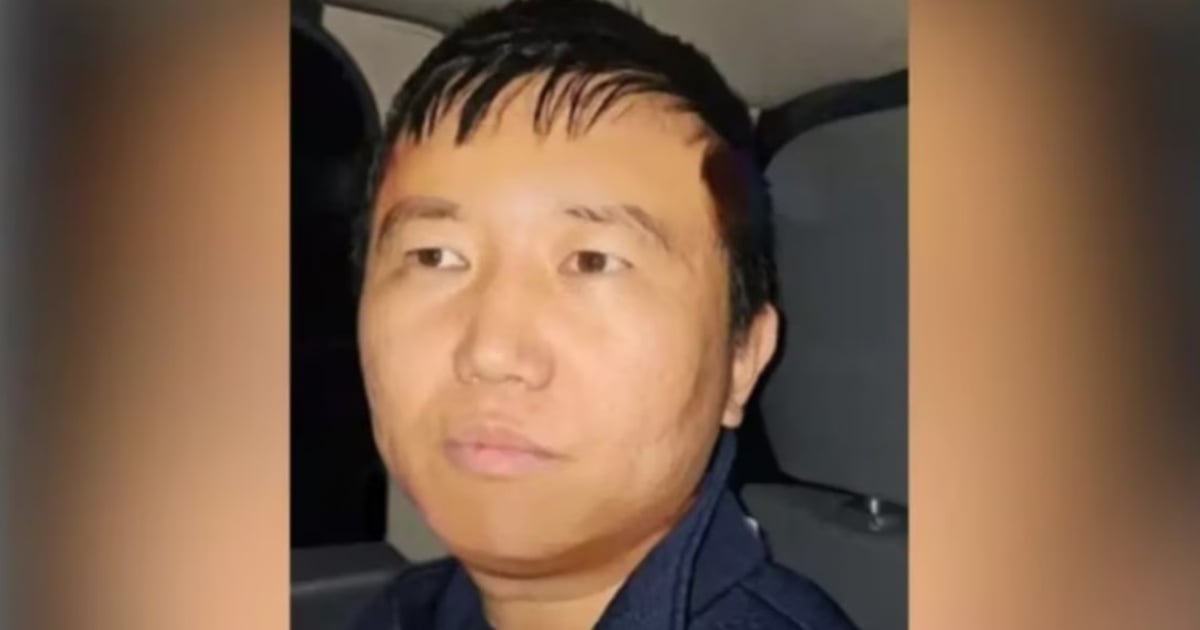
Zhi Dong Zhang, the alleged Chinese drug trafficker recaptured in Cuba after escaping Mexican custody, was handed over to the United States and pleaded not guilty on Wednesday in a federal court in Brooklyn, facing multiple charges for smuggling large quantities of cocaine, fentanyl, and methamphetamines into U.S. territory.
Known by several aliases, including "Hermano Wang" or "Brother Wang," Zhang remains detained without bail until his next hearing in January.
According to the agency AP, his lawyer refrained from commenting on the defense strategy.
U.S. officials indicate that Zhang was leading an international operation that moved thousands of kilograms of drugs from Mexico to the U.S. and laundered millions of dollars through shell companies created with fraudulent documents.
"The accused faces charges of running a global operation that introduced massive amounts of cocaine, fentanyl, and methamphetamine into our communities and laundered millions in drug profits," stated Deputy Attorney General Todd Blanche.
Federal prosecutors allege that the network had been operating since at least 2016 and used over 100 fake companies to launder more than 77 million dollars linked to drug trafficking.
After his extradition to Mexico from Cuba, Mexican authorities sent him to the United States on October 23, where he also faces federal charges in Georgia.
Judicial documents from that state describe a network that collected millions of dollars in safe houses in Atlanta and Los Angeles, which were then deposited into accounts accessible to Zhang from Mexico.
Their organization allegedly maintained operational ties with the Sinaloa Cartel and the Jalisco New Generation Cartel (CJNG), serving as a key intermediary between the Mexican cartels and Chinese financial structures.
An international getaway
Zhang was initially captured in Mexico City in October 2024, but a Mexican judge decided to place him under house arrest, despite the serious charges against him.
The measure generated criticism from the Mexican government itself, and this year the suspect escaped despite being under military custody.
After his escape, he attempted to enter Russia with false documentation, but was rejected and then arrived in Cuba, where he was arrested for document forgery and trafficking in persons.
He remained in provisional prison from July 2025 until he was extradited.
Havana confirmed in October the extradition of Zhang to Mexico through an official statement from the Ministry of Foreign Affairs (Cubaminrex).
Extradition has been described as an exceptional decision within Cuban policy, as the government typically denies the existence of criminal structures operating on its territory and attributes any drug seizures to mere accidental transit in Caribbean waters.
The transfer of "Brother Wang" has thus rekindled the debate about Cuba's role in regional drug trafficking routes, particularly when it involves international figures linked to cartels.
Who is "Brother Wang," the Chinese kingpin of fentanyl?
The detained individual, born in Beijing in 1987, used multiple false identities - including "El Chino", "Pancho", "Tocayo", and even "Nelson Mandela" - to travel between continents and evade immigration controls.
Their network not only trafficked drugs; it also operated a global money laundering mechanism that used shell companies in the United States, employing banking resources and fraudulent documentation for low-profile transfers designed to evade financial controls.
Now, Zhang is facing the U.S. judicial system as a key figure in the fight against fentanyl trafficking, a synthetic drug linked to tens of thousands of overdose deaths.
His capture—on an itinerary that passed through Mexico, Cuba, and a thwarted attempt to reach Russia—has become another chapter in a transnational crime that connects clandestine laboratories, financial networks, and international routes crossing invisible borders, while governments, to varying degrees, display either incapacity or complicity in the face of the tentacles of global drug trafficking.
Filed under: