
Related videos:
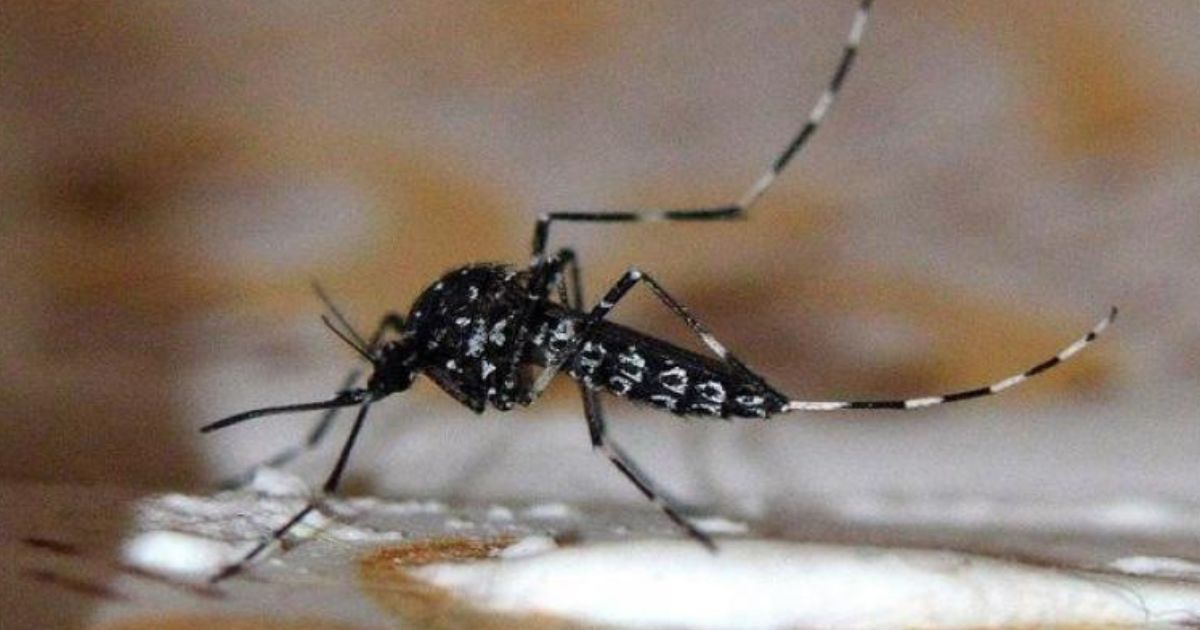
In the midst of the current chikungunya epidemic affecting the Cuban population, a scientific finding published in 2022 by the journal MEDISAN gains significance, as it confirmed the presence in Cuba of the mosquito Aedes vittatus, an invasive species capable of transmitting dengue, zika, chikungunya, and yellow fever.
The study, conducted by specialists from the Provincial Center of Hygiene, Epidemiology, and Microbiology of Santiago de Cuba, documented that this mosquito was first detected in January 2020 in the locality of Ramón de las Yaguas, in the main municipality.
Since then, its presence has been reported in at least four municipalities of the province and in more than 30 locations in the eastern part of the country.
The Aedes vittatus is considered an invasive species with a high capacity for adaptation, and its emergence has raised health alarms, as it shares breeding sites with Aedes aegypti and Aedes albopictus, the primary vectors of viral diseases on the island.
Its ability to reproduce in rural, urban, and even jungle environments makes it a silent and difficult-to-eradicate enemy.
Unlike the Aedes aegypti, which typically feeds almost exclusively on human blood and reproduces in domestic environments, the Aedes vittatus can feed on both humans and other mammals, and lays its eggs in a wide variety of locations: puddles, tanks, pots, bamboo, barrels, or tree holes.
In addition, their eggs are more resistant to dehydration and sunlight, and their larvae can tolerate salinity levels and temperatures of up to 46 degrees, allowing them to survive in extreme conditions.
The scientific article warns that this species could become an important vector of arboviruses in Cuba if it manages to establish itself permanently.
For this reason, the finding prompted a national entomological alert and the recommendation to intensify vector surveillance and control in the eastern provinces.
According to the authors of the study, led by Mirtha Gladys Pérez Menzies, the discovery increased the total number of mosquito species recorded in the country to 71, confirming the expansion of the Cuban culicid fauna.
They also cautioned about the need to strengthen research and epidemiological monitoring, given the possibility that this species could expand its distribution towards the center and west of the island.
The presence of Aedes vittatus coincides with a critical epidemiological context, marked by the resurgence of dengue and the spread of chikungunya.
Experts warn that any new vector capable of transmitting these viruses poses an additional risk to public health, especially in areas where sanitation issues and a lack of potable water persist, forcing the population to store liquids in household containers.
In a country where mosquitoes have become a symbol of health alarm, the Aedes vittatus presents a new challenge for the already overwhelmed Cuban healthcare system, strained by a lack of resources, reagents, and specialized personnel.
Filed under: