
Related videos:
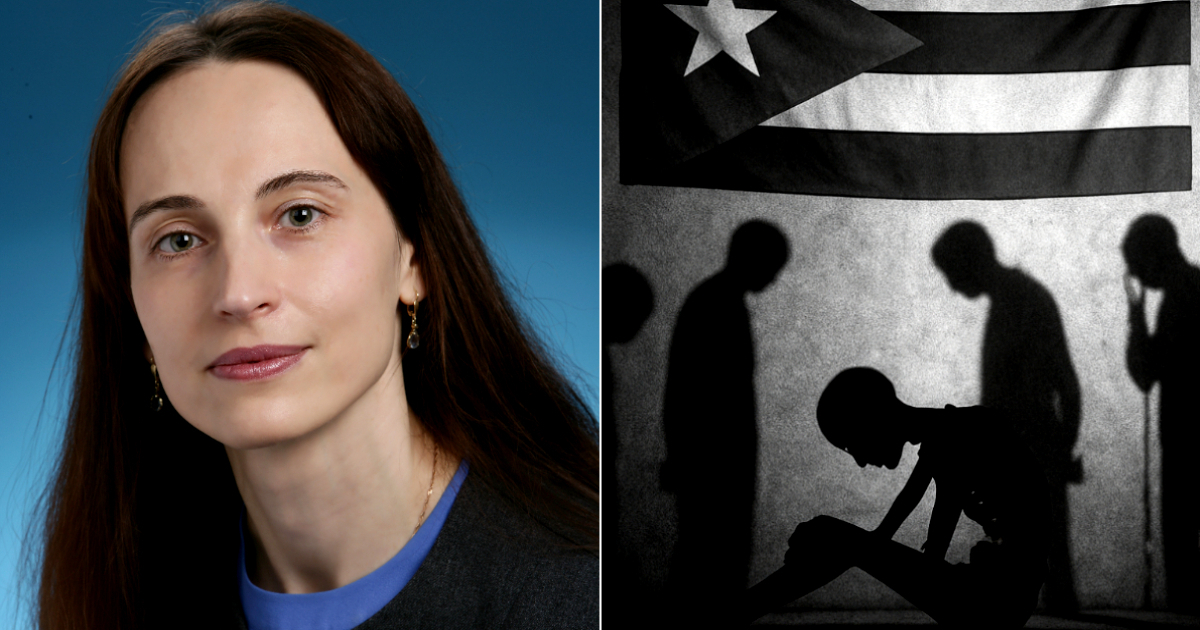
The Cuban Observatory for Human Rights (OCDH) responded this Tuesday to the UN special rapporteur, Alena Douhan, stating that the profound crisis that Cuba is experiencing is a direct consequence of the failure of the communist political and economic system, and not a result of the sanctions from the United States.
The statement comes after the 10-day visit of the official to the island, during which she publicly urged Washington to lift the embargo.
"Only 3% blame the embargo; 92% disapprove of the government."
In a letter sent to Douhan, the OCDH emphasizes compelling data from the 8th Study on the State of Social Rights in Cuba, published in September: “Only 3% of Cubans attribute their problems to the embargo.”
It was also stated that the disapproval of the economic and social management of the government stands at 92%, while extreme poverty on the island reaches 89%.
The organization reminds us that these numbers reflect the feelings of the population, not external actors.
"The government builds hotels, not hospitals."
In its letter, the OCDH questions the official narrative regarding the embargo: "Why does the embargo not affect the construction of five-star hotels, but does — according to the government — impact the purchase of food and medical supplies?"
The organization reports that the Cuban healthcare system is facing a collapse not due to sanctions, but because the State prioritizes the acquisition of foreign currency and international propaganda.
Examples of this include the lucrative business of exporting medical services, noted for labor violations and for diminishing the availability of professionals in Cuba, as well as BioCubaFarma's focus on exporting medications while basic goods are scarce on the island.
The government is blocking access for other UN rapporteurs
The OCDH also reminded Douhan that the Cuban regime repeatedly restricts access to rapporteurs related to: freedom of expression, arbitrary detentions, extrajudicial executions, disappearances, and human rights defenders.
The organization urged that the report Douhan will present in September 2026 to the Human Rights Council include opinions from democratic actors, both within and outside of Cuba, and not just the government's views.
Douhan calls for lifting the embargo: "It has serious humanitarian consequences."
Before receiving the response from OCDH, the special rapporteur made statements in Havana urging the U.S. to lift the embargo. According to the agency AFP, Douhan stated: “I urge the United States to lift all unilateral coercive measures against Cuba… they cause serious consequences for the rights to life, food, health, and development.”
The official stated that the embargo is the “most prolonged unilateral sanctions policy in history.”
His visit went along without "any impediment," meeting with authorities, business leaders, religious figures, diplomats, and members of civil society.
The embargo has been tightened particularly by President Donald Trump and further reinforced following his return to the White House in January, which has increased pressure on the Cuban economy.
A debate that returns to the heart of the national crisis
The OCDH insists that the current misery —the worst in 30 years— is a consequence of an inefficient, monopolistic system lacking freedoms, while the Cuban government maintains its stance that external sanctions are the main obstacle.
The report by Douhan will be presented in September to the UN Human Rights Council, but the response from the OCDH anticipates a fierce narrative dispute regarding the origins of the social catastrophe that the island is experiencing.
Filed under: