
Related videos:
Ukrainian authorities identified the bodies of 39 Cubans who died while fighting alongside Russia in the war against Ukraine, reported Deputy Maryan Zablotskiy in Miami, who stated that his country is willing to continue identifying nationals from the Island and inform their families "what has happened to these men."
In a press conference broadcast by the independent medium Cubanet, the legislator, president of the Pro-Free Cuba Committee of the Ukrainian Parliament, added that in addition to those already identified, “there are hundreds of dead Cubans” whose identities have yet to be determined.
Zablotskiy explained that Ukraine is holding four Cuban prisoners and that they are being treated humanely.
He proposed two ways to resolve their situation: to exchange them for Ukrainian prisoners held by Russia or to consider their release on humanitarian grounds if, at the same time, the Cuban government releases a group of political prisoners from the island.
He also emphasized that, since the beginning of the invasion, Russia has not asked for foreign fighters in the exchanges, only for Russian citizens.
During the conference —organized by the Assembly of the Cuban Resistance and the Cuban Democratic Directorate— the opposition figure Orlando Gutiérrez-Boronat mentioned the relationship of the 39 deceased identified by Kiev.
The list, with transliterations of names, was shared with Cubanet, which published the document that includes 1,028 Cubans recruited by Russia (of which 39 are dead, although Zablotskiy refers to a total of 41 in the press conference).
The report published in Cubanet states that only three Cubans passed away in 2023, while 36 passed away in 2024. The ages of the deceased range from 23 to 58 years.
The deputy stated that the largest foreign contingent among Russian ranks is the Cuban one, according to reports from its foreign ministry.
He also stated that Ukrainian authorities may continue to identify bodies and formally communicate the information to relatives on the Island. He further indicated that some Cubans do not wish to return to Cuba and others have been unable to leave despite having completed a year of service with the Russian armed forces, complicating potential repatriation processes.
Zablotskiy linked these revelations to Ukraine's positioning in international forums against the Cuban government—including its recent vote at the UN—which, he said, is partly a response to the "significant presence of Cuban troops" on the Russian front.
With the announcement of the identified Cubans, Kiev sends the signal that it will continue to document the participation of foreign citizens in the war and will provide channels of communication for families in Cuba trying to confirm the whereabouts of their loved ones.
Cuban mercenaries in the war against Ukraine
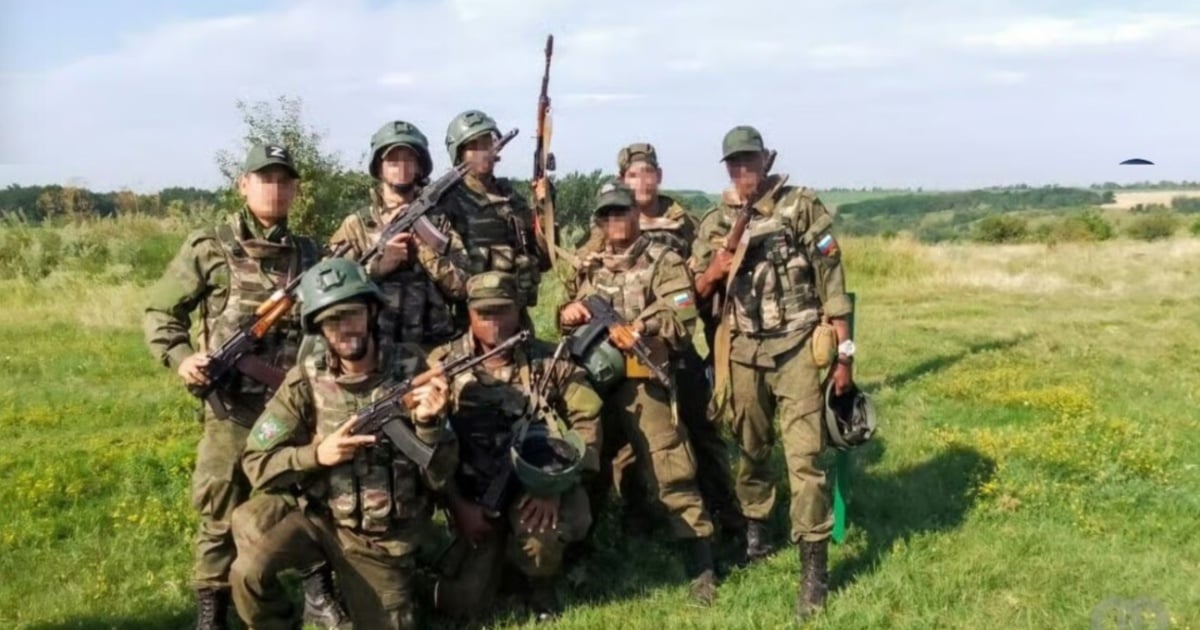
Ukrainian authorities and sources cited by exile organizations estimate that up to 25,000 Cuban citizens may have been recruited by Russia to fight in the invasion of Ukraine, a figure that highlights the phenomenon following the identification of 39 deceased individuals whose names were disclosed by Ukrainian lawmaker Maryan Zablotskiy.
The main attraction for many of these recruits is economic: according to Forbes, Russia offers salaries of around $2,000 per month, an enormous amount compared to the $20 that an average worker earns on the Island.
However, behind the salary incentive, a web of deceit and exploitation is reported, with false offers of civilian jobs in Russia that ultimately lead to recruits being sent to the frontlines without military training or clear contracts.
Several signed documents in Russian without an official translation, leaving them in a state of legal vulnerability.
The Defense Intelligence of Ukraine (HUR) explains the use of foreign fighters as a low political cost strategy for the Kremlin: if recruits from other countries die, there are no social benefits or pressure from dissatisfied Russian families regarding the war.
This logic—according to cited sources—helps to conceal the internal impact of the conflict and to sustain an unpopular war among the Russian people.
On the ground, Ukraine has captured several Cubans, and at least one confessed to being deceived with the promise of a civilian job before being sent to fight.
Meanwhile, exile media have circulated partial lists of those recruited and accounts of recruitment that describe networks of intermediaries, routes to Russia, and conditions of vulnerability that are exploited by those organizing the recruitment.
The social dimension of the phenomenon is rooted in Cuba's structural crisis: shortages, blackouts, meager salaries, and the deterioration of the productive fabric push thousands of young people to take extreme risks.
Analysts cited by Forbes argue that Havana tolerates or allows recruitment in exchange for economic and political benefits, while for Moscow, Cubans are seen as “military labor” that lowers costs and reduces political expenses.
The Ukrainian advisor Anton Gerashchenko has described it as the importation of "cannon fodder" from Latin America to sustain the offensive.
The Ministry of Foreign Affairs of Cuba reiterates that “Cuba does not participate with military personnel in foreign conflicts," but has not denied the existence of recruitment networks or the travel of thousands of Cubans to Russia since 2023.
Meanwhile, official Russian voices have acknowledged the presence of foreigners —including Cubans— on the front lines, which fuels the diplomatic controversy surrounding recruiters, routes, and responsibilities.
With estimates that raise the potential contingent to up to 25,000 Cubans and a number of casualties that exile organizations and Ukrainian authorities consider "in the hundreds" still to be identified, the phenomenon solidifies as an international chapter of the war.
Kiev assures that it will continue identifying fallen fighters and notifying families on the Island, while calls grow to investigate those profiting from recruitment and to protect citizens caught in economic hardship and contractual opacity.
Filed under: