
Related videos:
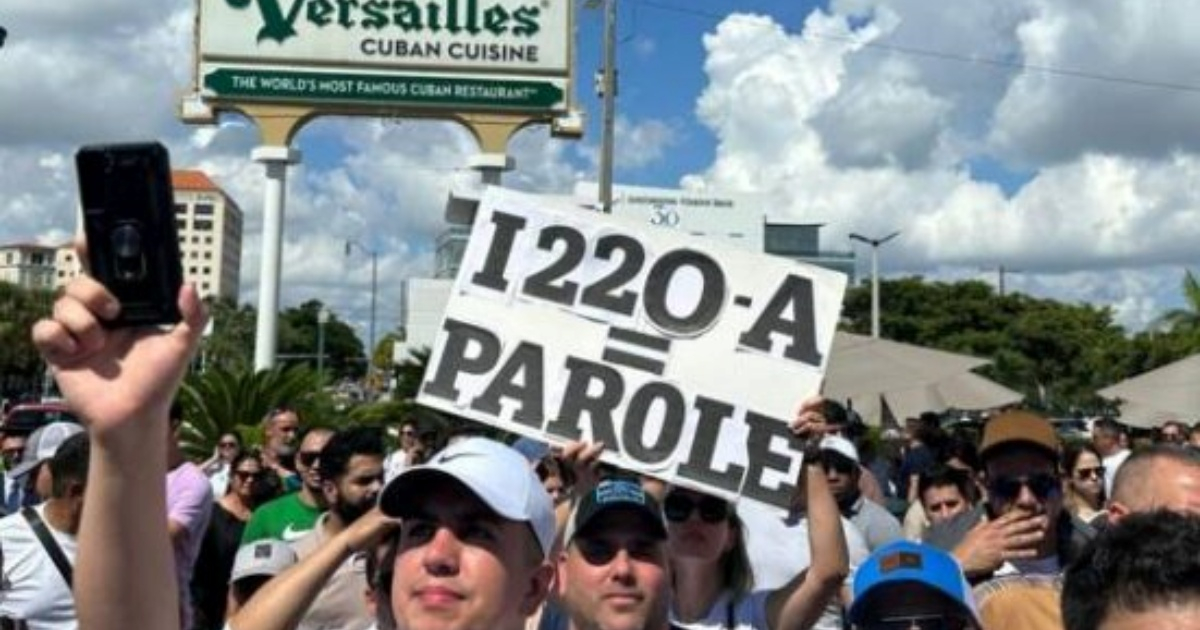
Cubans with I-220A could benefit from the new court ruling of the Central District of California in the U.S. which revokes the prohibition of bond hearings for immigrants detained in the country.
In an interview with journalist Mario J. Pentón, immigration attorney Ismael Labrador stated that Cubans with I-220A who have been in the U.S. for several years could be the primary beneficiaries of the ruling.
It concerns the I-220A migrants whose cases have been dismissed either in court, those who have also been apprehended on the road, or in detention centers.
"These I-220A will now be entitled to a bond," the lawyer affirmed.
Now a door opens to present the bail request, explained Labrador, but only if individuals have a right to bail granted by the judge.
"You cannot be a danger to the community; there can be no risk of you escaping from the U.S.," he clarified.
This Wednesday, a federal judge in California ordered the Department of Homeland Security (DHS) to reverse the policy implemented in July by the Trump Administration, which prohibited bond hearings for immigrants detained in the country.
The judicial decision could benefit thousands of people who remain in immigration custody in the well-known and controversial detention centers in the country. It does not imply their immediate release, but rather the possibility of presenting their cases and being released on bail if they meet the requirements to benefit from the measure.
Judge Sunshine S. Sykes of the Central District of California ruled that immigrants who were already residing in the United States before being detained have a legal right to request a bail hearing, as had been the practice for decades.
The ruling arises from a class-action lawsuit that challenged the legality of the DHS policy, which the court deemed a violation of due process.
The measure implemented by the Trump administration had eliminated the possibility of hearings for all detained immigrants, including those without criminal records or those with ties to the country.
According to data from civil rights organizations, more than 65,000 people are currently in immigration detention centers, most for administrative violations such as staying in the country without documents, which is not considered a crime under U.S. law.
Filed under: