
Related videos:
The spread of mosquito-borne viral diseases in Cuba has raised serious alarms both within and outside the island.
With an active outbreak of dengue, chikungunya, and Oropouche virus, doctors in Florida and international authorities have begun issuing warnings about the potential risk of these viruses spreading to other regions, especially in the southern United States.
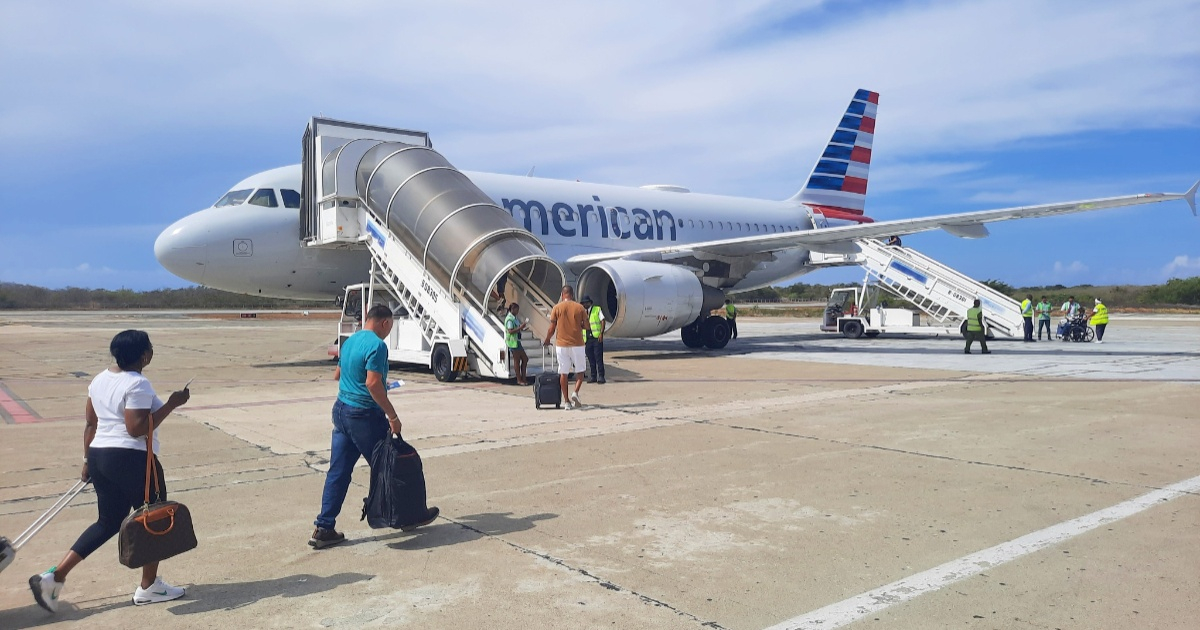
The Cuban doctor Luis Felipe Felipe, residing in Florida, recently warned during an intervention on the program “Encuentro Virtual con Gloria Ordaz” -for Telemundo 51- about the seriousness of the health situation in Cuba, describing it as sufficiently severe to consider a temporary suspension of flights to Cuba.
In his opinion, this would be a valid preventive measure to avoid the introduction of diseases like chikungunya in U.S. territory.
"The simultaneous presence of several mosquito-borne diseases has raised alarm bells," said the doctor, who emphasized that visitors are at high risk of infection, especially those who are unaware of the scale of the outbreak and do not take appropriate precautions.
Indeed, since September, the United States Embassy in Havana has issued a recent warning to its citizens about active outbreaks on the island, highlighting the need for epidemiological vigilance and extreme caution for those planning to travel.
Alongside dengue and chikungunya, cases of Oropouche fever have also been detected in Cuba, a lesser-known viral illness transmitted by mosquitoes and other blood-sucking insects, which causes similar symptoms: high fever, headache, nausea, and severe muscle pain. Its presence further complicates the situation and raises the alert level in the medical field.
Although local transmission of these viruses in Florida has not been confirmed, the high volume of travel between Cuba and the southern United States, along with climate change that facilitates the expansion of vectors, keeps epidemiologists and health professionals on edge.
International warnings: from Russia to Canada
The health crisis on the island has not gone unnoticed in other parts of the world.
The Russian Embassy in Cuba issued a health warning urging its citizens to wear closed clothing, avoid areas with standing water, and consistently apply mosquito repellent.
"Take care of yourself and your loved ones!" read the message shared on social media.
In Canada, the government also issued a travel advisory related to the chikungunya outbreak, recommending special precautions for its citizens.
Mexico, for its part, requested to take extra preventive measures and suggested obtaining health insurance before visiting the island.
These warnings reflect the growing international concern about the possibility of exporting viruses through tourism, especially in regions with environmental conditions favorable for the reproduction of the Aedes aegypti mosquito.
A collapsed healthcare system with no resources
The spread of these diseases is exacerbated by the critical situation of the Cuban healthcare system.
According to reports, there is a severe shortage of insecticides, deficiencies in fumigation campaigns, and a notable inability to control the transmitting mosquito, largely due to a lack of logistical and human resources.
The deterioration of the public health system has also limited timely diagnosis and appropriate treatment of cases, which in turn has contributed to increased mortality.
According to official figures from the Ministry of Public Health of Cuba, at least 33 people have died from mosquito-borne diseases in 2025, of which 21 died from chikungunya and 12 from dengue.
Most of the victims were minors.
On its part, the Cuban Observatory of Conflicts (OCC) and the Foundation for Human Rights in Cuba documented at least 87 deaths related to the epidemic, with cases reported in various provinces, suggesting an underestimation of the official figures.
Chikungunya: an unprecedented epidemic in Cuba
In a recent broadcast of the Mesa Redonda, Dr. María Eugenia Toledo Romaní, a researcher at the Pedro Kourí Institute of Tropical Medicine (IPK), acknowledged that Cuba is facing its first major epidemic of chikungunya.
Although isolated cases had been reported in Santiago de Cuba in 2015, the current outbreak has an unprecedented scale.
“It cannot be determined when the epidemic wave will end”, stated the specialist, explaining that, unlike dengue, chikungunya does not allow for long-term forecasts due to the lack of historical data.
He also warned that the Cuban population is highly susceptible to the virus due to not having been previously exposed, which could result in attack rates ranging from 30% to 70%.
These factors are compounded by other structural risks: an aging population with comorbidities, high internal and international mobility, limitations in vector control, and deeply deteriorated urban hygiene conditions.
Measures for travelers: prevent before regretting
Doctors and epidemiologists agree on the urgency of taking preventive measures. It's not about completely avoiding travel to Cuba, but rather doing so with extreme caution. Among the main recommendations are:
-Wear clothing that covers arms and legs, especially at dawn and dusk.
-Apply repellant several times a day.
-Avoid areas with standing water or dense vegetation.
-Carry pain relievers, a thermometer, and first aid supplies.
-Consult official sources before and during the trip to track the evolution of the outbreak.
Additionally, it is emphasized that anyone showing symptoms after returning from the island should seek medical attention immediately to prevent chains of transmission in their home communities.
Filed under: