
Related videos:
The Cuban physician Lázaro Elieser Leyva García, a specialist in Internal Medicine and residing in Spain, warned about the risks of an “immune storm” in the context of the rise in chikungunya cases in Cuba.
In a recent post on , where he signs as Lázaro E. Libre, the doctor explained that this is not about creating alarm but about sharing scientific information in a simple way so that the public understands the magnitude of the problem and takes preventive measures.
The specialist recalled that chikungunya is an RNA virus capable of mutating and adapting, as occurred with the E1-A226V mutation that caused a massive outbreak years ago in the French territory of La Réunion in the Indian Ocean.
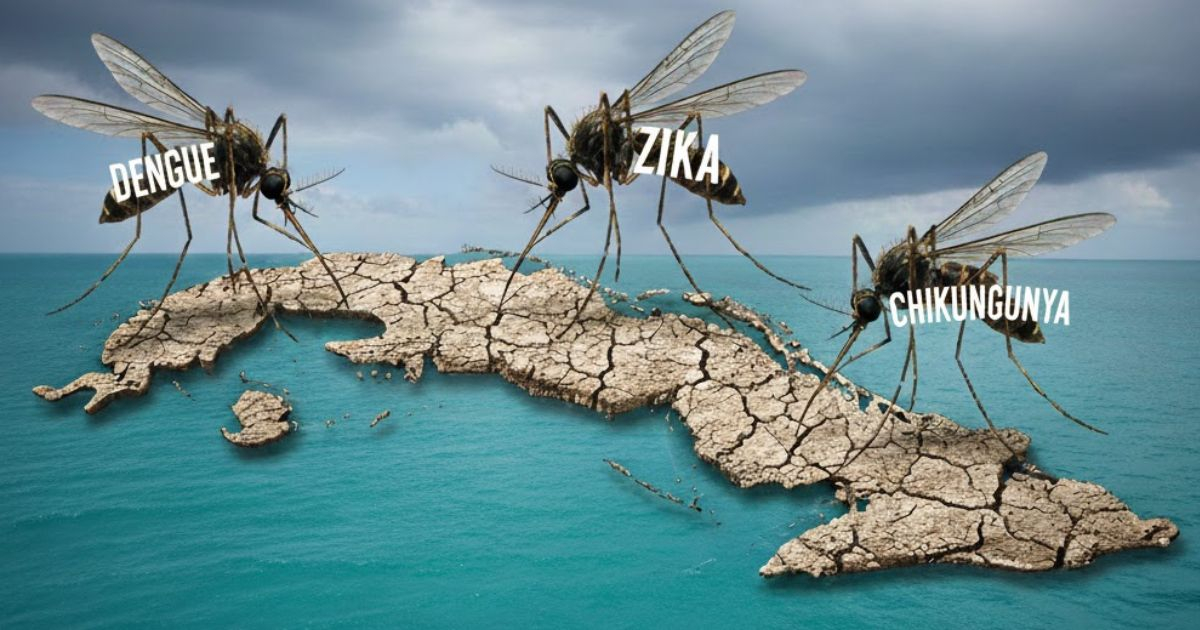
According to their analysis, the current situation in Cuba is complex because chikungunya coexists with dengue, Zika, and other febrile viral infections, increasing the risk of co-infection in the same individual.
When the body faces multiple viral infections consecutively or simultaneously, it warned, the immune system may overreact and release a large amount of inflammatory cytokines.
This phenomenon, medically known as "cytokine storm" or "immune storm," can lead to uncontrolled inflammation, damage to tissues and organs, and even death in the most severe cases.
The doctor pointed out that relying solely on natural immunity is not enough, as RNA viruses mutate quickly and can evade acquired defenses.
He emphasized that prevention, mosquito control, and epidemiological surveillance are crucial to avoiding a more severe health scenario on the Island.
"Preventing is not fearing: it is understanding. And understanding is caring," wrote the professional, who urged Cuban authorities to "think long-term" and not to limit themselves to delayed responses when outbreaks are already underway.
His call comes amidst a context of increasing vector-borne diseases, a shortage of insecticides, and the deterioration of the public health system in Cuba, where official reports tend to downplay the true extent of infections.
International experts have confirmed that immunological storms are documented clinical phenomena observed in severe cases of infections such as COVID-19 or dengue, which is why Dr. Leyva García's warning is scientifically grounded.
The doctor concluded that informing and anticipating are essential steps to protect the health of the Cuban people in the face of a situation that, if not addressed, could become much more complex.
In recent posts, the Cuban doctor warned about the severity of chikungunya cases, illustrating the situation with the testimony of a patient who suffered severe symptoms for more than a week.
The experience presented highlighted the lack of timely medical attention and the shortage of basic medications, which exacerbates clinical conditions in a healthcare system that does not respond effectively.
The doctor himself has requested international medical assistance, believing that the current conditions of the Cuban health system do not allow for an adequate response to a large-scale epidemiological emergency.
In his analysis, he argues that the collapse of the public system, the lack of insecticides, and the institutional weakness demand a response that goes beyond national borders.
Earlier in the year, he had debunked the myth of Cuban medical prowess, highlighting the structural deficiencies of the healthcare system, the exodus of professionals, and the precariousness in primary care.
In his arguments, he highlights the disconnect between the official narrative and the reality faced by citizens in deteriorated and poorly equipped healthcare centers.
Filed under: