
Related videos:
A developer sued the Trump Administration for pressuring Apple to remove an app that notified about ICE operations, in a case that reignites the debate over digital freedom and censorship.
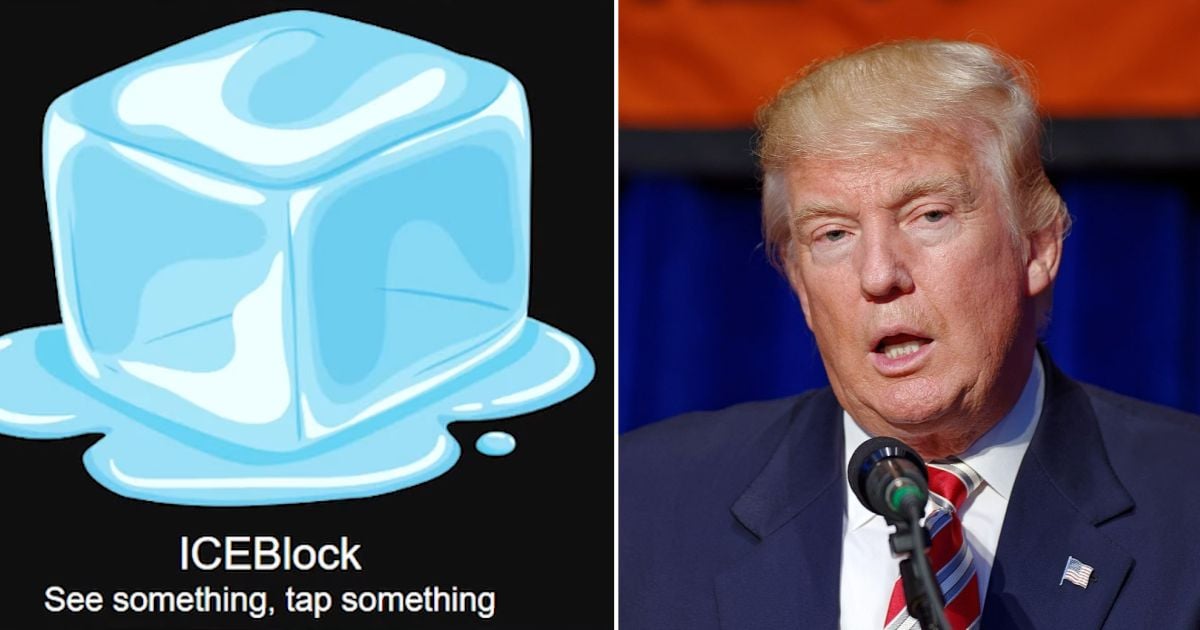
The ICEBlock application, designed to alert users about the presence of immigration agents in the United States, was removed from the App Store after the Donald Trump administration pressured Apple to take it down.
According to The New York Times, the app's creator, Joshua Aaron, filed a lawsuit against high-ranking U.S. government officials, accusing them of coercing Apple and violating his rights to free speech and the creation of digital tools.
The case was presented before a federal court in Washington D.C.
According to the cited source, then-Attorney General Pam Bondi —on behalf of the Department of Justice— contacted Apple to request the removal of ICEBlock, arguing that the application “endangered the safety of federal agents.”
Apple agreed to the request and removed the application after six months of being available on the platform.
ICEBlock allowed users to report raids or movements from the Immigration and Customs Enforcement (ICE), with the goal of protecting undocumented immigrants or alerting communities about police operations.
After their elimination, Google and Meta also removed similar services, such as the apps DeICER and Red Dot, as well as a Facebook group dedicated to reporting ICE actions.
Joshua Aaron asserts that the measure was an act of political censorship, driven by the White House and carried out by one of the largest technology companies in the world.
"When the government uses its power to silence citizens, democracy loses ground," stated the developer, as quoted by the American newspaper.
The legal action also seeks to clarify whether the Trump administration's pressure on Apple was exerted through direct orders or informal communications, a point that could determine the degree of state responsibility in the censorship of digital content.
The case reopens the debate on the relationship between political power and major tech companies. Apple, which has historically resisted collaborating with the U.S. government on privacy issues, has acceded to censorship requests from regimes like China and Russia, but until now, a similar case had not been known within the United States.
The White House has not issued any statements on the matter, while Apple declined to comment, emphasized The New York Times.
The lawsuit could become a key precedent regarding the limits of government influence on digital platforms and freedom of expression in the country.
Filed under: