
Related videos:
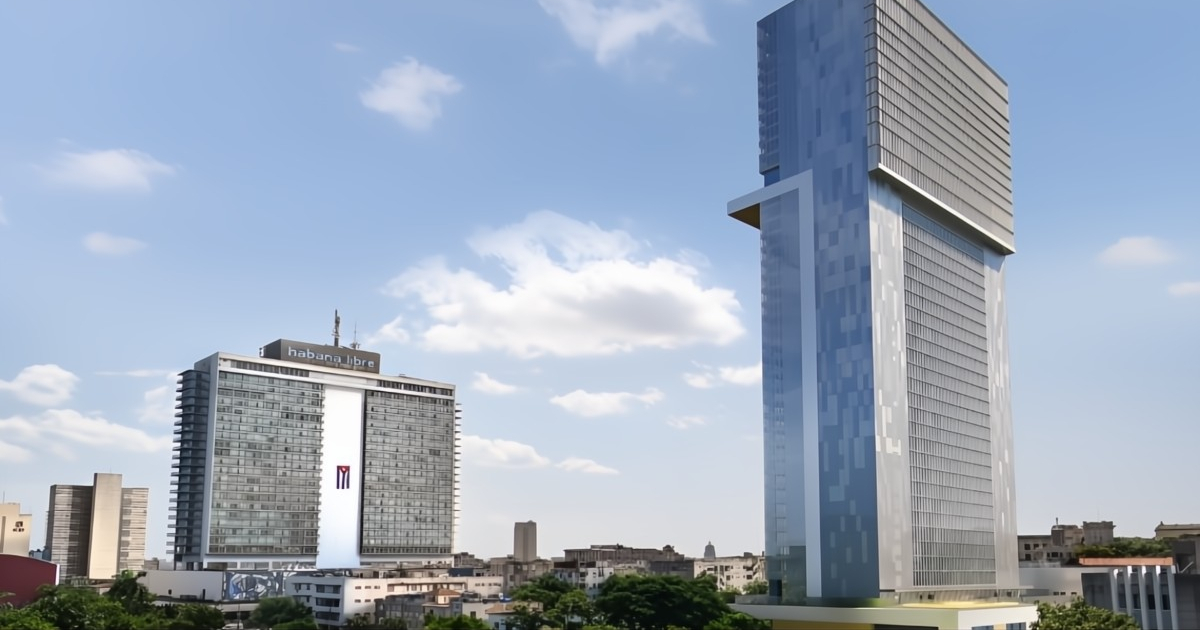
The Ministry of Tourism (MINTUR) came out on Wednesday to defend itself against the wave of criticism and mockery it faced on social media after promoting the Iberostar Selection La Habana hotel, a luxury establishment that arrives amid blackouts, shortages, and an economic crisis affecting most Cubans.
The organization posted an extensive message on Facebook claiming that it is "unjust" for an institutional publication to become the target of "denunciations" that, it says, attack "the principles of our identity as Cubans."
But the tone of the response intensified when the ministry stated that "Cuba is not viewed through humor or mockery," but rather through its history and will to resist.
Moreover, the message goes further by adding a controversial statement that says, “the criticism launched out of immediate frustration may sound forceful, but it builds nothing,” a remark perceived as a reprimand directed at a people worn out by the crisis.
The official anger comes after more than 500 comments, mostly sarcastic, that flooded the promotional post for Iberostar, described by MINTUR as "the tallest building in Cuba" and a place to admire "the vibrant and cultural city of Havana." The phrase ultimately became a trigger.
"Vibrant? Havana is dim and destroyed," replied one user. "From up there, what you see is a giant Christmas tree: sometimes it lights up, sometimes it goes dark," another joked, referring to the continuous blackouts that characterize life in the capital.
The most repeated criticism, however, focused on the disconnect between tourism propaganda and the country's economic reality. “If I earn four dollars a month, how many years do I have to save to go for a weekend?” asked an internet user. “Tell me the prices, so I can see if with my salary I can go in 20 years,” added a young woman. Others were more direct: “The only thing they'll see from up there is the misery they have created.”
Among the most shared comments was one referring to the recent hoax about the “1,100 dollars”, which caused crowds to gather at hotels in several provinces. One user commented: “Tomorrow I'm going to look for the 1,100 dollars from dear Ignacio Giménez... and in the meantime, I'll visit the hotel.” This remark encapsulated the atmosphere of frustration and distrust that the country is experiencing following the false news that mobilized hundreds of desperate people.
The MINTUR defended that promoting hotels is not about “applauding luxury,” but rather affirming the country's right “to grow, to create, and to present ourselves to the world without complexes.” It also argued that Havana remains a symbol of “resistance and living culture,” and that reducing it to its problems is to overlook its essence.
But the institutional response did not alleviate the citizens' discontent. For many, the contrast between nearly empty five-star hotels and a population struggling with power outages, epidemics, minimum wages, and suffocating inflation is too stark to regard the promotion as just a simple tourism ad.
The debate once again highlighted an open wound: the gap between the official discourse and the everyday life of Cubans. On social media, the people responded with sarcasm, but also with fatigue. The Government replied solemnly. And in between, there remains a city that, far from the "vibrancy" promoted by MINTUR, feels increasingly exhausted each day.
Filed under: