
Related videos:
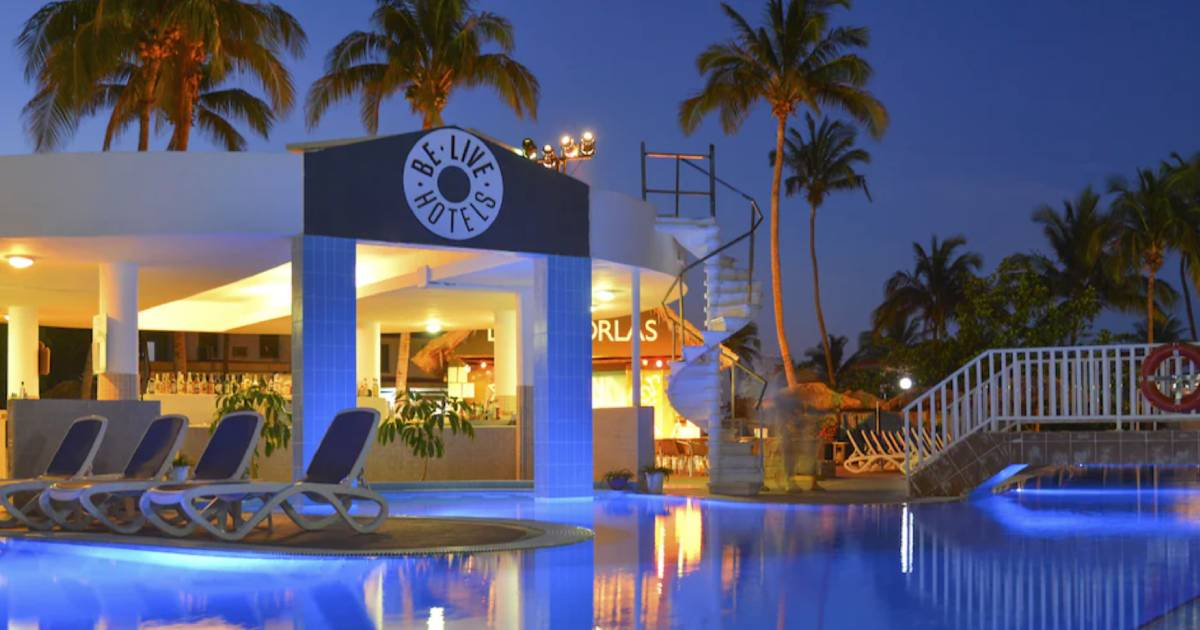
The Cuban regime is advancing a project for "energy efficiency" in hotels located in the tourist hotspots of Varadero and Jardines del Rey, while the rest of the country continues to suffer from prolonged blackouts and restrictions on electricity consumption.
According to the Cuban News Agency (ACN), a total of 13 hotel establishments are implementing the Cuban Standard NC ISO-50001:2019 as part of the International Sustainable Tourism Project, led by the Environmental Agency and executed by the United Nations Development Programme (UNDP), with funding from the Global Environment Facility and the Cuban government itself.
María Tomás Zerquera, a specialist from Cubaenergía, specified that technical documentation is currently being prepared to implement regulations and conduct energy audits aimed at optimizing electricity consumption and reducing the use of fossil fuels.
The plan includes the installation of four automatic weather stations and real-time monitoring systems, aimed at controlling electricity consumption in high-demand areas within hotels, as well as the incorporation of more efficient solar thermal equipment for water heating.
The initiative aims to establish energy consumption models based on the habits of tourists and incorporates advice from the Higher Institute of Technologies and Applied Sciences at the University of Havana.
Although the ACN presents the project as a step towards "sustainable tourism," the contrast with the national reality is evident: while the State allocates resources to maintain the comfort of tourist resorts, millions of Cubans live amidst daily blackouts, cook with electric hot plates, and face a collapse of the national energy system.
Consulted experts indicate that the government prioritizes hotel efficiency over the efficiency of the national electrical system, in a country where tourist circuits remain protected during the massive blackouts that affect homes, hospitals, and schools.
The initiative, which began in 2023, is officially presented as an "essential" investment to ensure the autonomy and profitability of Cuban tourism, one of the sectors that generates the most foreign currency for the state, despite the collapse in visitor numbers and the country’s deep economic crisis.
While tourism in Cuba is experiencing its worst year since official statistics began, with a decline of over 20% in visitor arrivals, the regime continues to prioritize the hotel sector as if it were a national priority.
More than 350,000 tourists stopped visiting the island in 2025, even with the boost from new flights and promotional campaigns.
This insistence has led to an increasingly irritating contrast for the citizens.
In Havana, investment in the hotel industry was 70 times greater than that allocated to community services, while entire neighborhoods are facing power outages of more than 20 hours, accumulation of garbage, and lack of water.
For example, one night when a party with lights and music was being held at the Hotel Capri, the rest of Vedado remained in the dark.
The disparity became even more pronounced when, in the midst of a nationwide blackout, the government inaugurated the Varadero Gourmet Festival 2025, featuring wine tastings and gourmet cuisine, in a country where millions lack electricity and basic food supplies to cook.
This type of decision has generated criticism both inside and outside the country, as while the hotels are modernizing, the rest of Cuba struggles in darkness.
Filed under: