
Related videos:
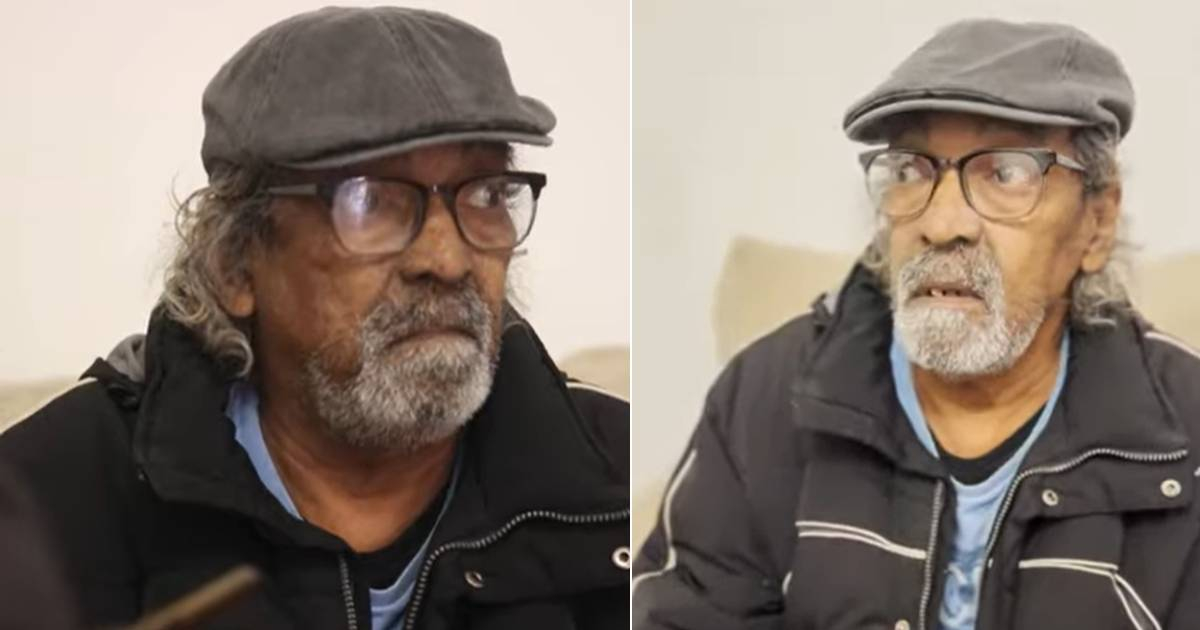
The renowned Cuban musician Eudaldo “Antúnez” Antúnez, a respected figure both on and off the Island, is going through one of the most difficult moments of his life.
At 73 years old, and after decades dedicated entirely to music, he now relies on the support of friends and colleagues to continue his recovery after suffering a severe stroke that left him with serious physical repercussions and no income.
According to the independent digital newspaper Cordópolis, from the city of Córdoba, Spain, the musician, who has been living there since 1996, has lost the mobility in his right hand and much of his speech, which prevents him from playing the keyboard and the bass, his main tools of work.
The illness abruptly severed his only source of income and placed him in a situation of extreme vulnerability.
Antúnez was born in Havana in 1952 and built a solid career in Cuba, where he collaborated with prominent figures of national music such as Omara Portuondo and Beatriz Márquez, in addition to working in the same artistic company as Silvio Rodríguez and Pablo Milanés.
Like many Cuban artists, he ended up emigrating due to the lack of freedoms and opportunities, finding in Córdoba a second homeland and a music scene where he never stopped playing.
Cordópolis details that, following the stroke, a bureaucratic incident related to the renewal of his NIE (Foreign Identity Number) has delayed access to complete rehabilitation within the public health system, a critical factor in this type of illness.
Although the emergency care was immediate, the subsequent recovery depends on ongoing therapies that can currently only be sustained with the financial support of friends and close musicians.
The Cuban saxophonist Cristóbal Agramonte, a companion through generations and exile, explained to the Spanish outlet that Antúnez “was a well-known musician in Cuba” and that his career was abruptly halted. “He hasn't had any income for over six months,” he pointed out, emphasizing the urgency of the situation.
Due to the lack of swift responses from the authorities, the musician's circle has organized a solidarity group to raise funds and prevent him from being left in a vulnerable position. “He is not on the street because his friends have come together to support him,” said one of the people accompanying him, as reported by Cordópolis.
The story of Antúnez once again puts a human face on a reality that many Cubans know well: that of artists who dedicated their lives to art, who emigrated in search of dignity, and who, in old age or illness, find themselves trapped between bureaucracy, precariousness, and a sense of rootlessness.
Filed under: