
Related videos:
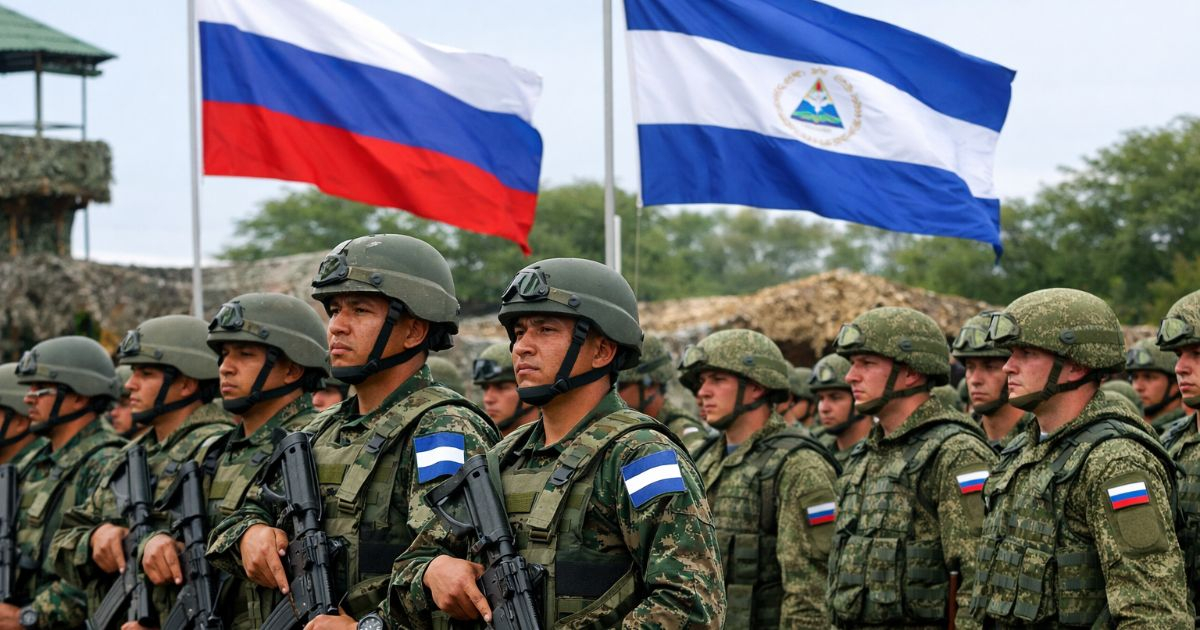
The government of Nicaragua officially authorized the entry, transit, and stay of military personnel, ships, and aircraft from various countries on its territory, according to a presidential decree published in the Official Gazette La Gaceta.
The official text corresponds to the Presidential Decree No. 14-2025 (published on December 17, 2025) and authorizes these operations between January 1 and June 30, 2026.
In addition to the entry of foreign forces, the decree also includes the deployment of Nicaraguan troops abroad for exchange and humanitarian assistance activities.
Below are the details outlined in the document, country by country:
Russia
Russia is the country with the highest number of operations outlined in the decree. The document authorizes the entry of Russian military personnel, as well as the transit or presence of ships and aircraft, for joint activities with the Nicaraguan Army.
The official text includes:
- Rotating intake of 80 personnel for the exchange of experiences and training exercises with the Nicaraguan Army Special Operations Command.
- 50 effective rotating incomes for cooperation with the Naval Force, Air Force, and communications areas, including operations against illegal activities and transnational crime.
- Rotating intake of 50 personnel for activities related to security, planning humanitarian assistance exercises, and disaster response.
- Actions for exchange and training related to search, rescue, and recovery in response to emergencies or natural disasters, as well as operations in maritime areas of the Caribbean Sea and the Pacific Ocean.
The decree does not set exact dates for each entry, but it establishes that the rotations and operations will take place within the authorized period.
Cuba
In the case of Cuba, the decree authorizes the rotational entry of 50 military personnel, in addition to the transit or presence of means (ships and aircraft) for exchange and training purposes.
According to the official text, their presence will be related to:
- Exchange of experiences.
- Humanitarian efforts.
- Cooperation for emergency or disaster situations.
The document does not specify the types of units or specific dates for each rotation.
Venezuela
The decree also authorizes the entry of Venezuelan military personnel, as well as the transit or presence of ships and aircraft, for activities related to exchange, training, and humanitarian assistance.
Among the items outlined in the document, rotating revenues include:
- 50 personnel for tasks related to security, planning humanitarian exercises, and disaster response.
- 80 troops for exchanging experiences and training exercises with the Nicaraguan Army Special Operations Command.
- 50 personnel for cooperation with the Naval Force, Air Force, and communications areas, including operations against illicit activities.
As in other cases, the decree does not set exact dates for each entry, but limits all operations to the specified period of validity.
Mexico
For Mexico, the decree establishes the authorization for the rotational entry of 50 military personnel, as well as the transit or stay of ships, aircraft, and equipment.
The tasks outlined in the document include:
- Humanitarian assistance exercises.
- Training and instruction.
- Exchange of experiences with the Nicaraguan Army.
United States
The decree includes the United States, but with an explicit condition: the entry of military personnel, ships, and aircraft must be previously planned and coordinated with the Nicaraguan Army.
The authorized activities are:
- Humanitarian aid operations.
- Search, rescue, and salvage missions.
- Operations by air, sea, and land.
- Docking in national ports.
- Landings at the country's airports.
Countries of Central America and the Caribbean
The decree also includes the transit or presence of armed forces from Guatemala, El Salvador, Honduras, and the Dominican Republic.
These countries are part of the Central American Armed Forces Conference (CFAC), and their participation is framed within activities of regional cooperation, exchange, training, and humanitarian assistance.
Withdrawal of Nicaraguan troops
In addition to authorizing income, the decree includes provisions for the deployment of troops from the Nicaraguan Army abroad, within the same period, as part of exchange activities and humanitarian assistance.
Legislative ratification
According to Nicaraguan regulations, the decree must be ratified by the National Assembly—dominated by the ruling party—for it to be fully implemented.
Filed under: