
Related videos:
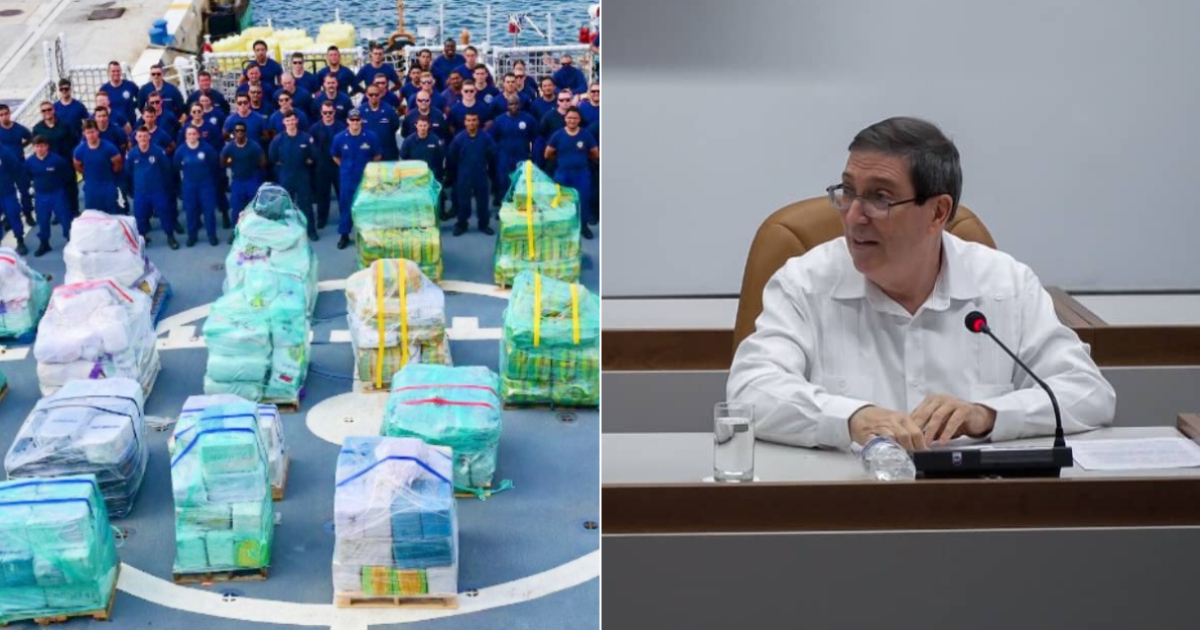
The Cuban regime held the United States healthcare system and pharmaceutical corporations responsible for the fentanyl crisis, in a new statement from Foreign Minister Bruno Rodríguez Parrilla, who accused Washington of using the drug issue as a political and geopolitical pretext.
In a message posted on social media X, Rodríguez acknowledged that fentanyl use is a "real and serious" problem in the United States, affecting hundreds of thousands of people. However, he asserted that the recent designation of the synthetic opioid as a weapon of mass destruction is an attempt by the U.S. government to justify military actions, overthrow sovereign governments in Latin America and the Caribbean, and appropriate natural resources.
"The goal is to ignore the multifactorial origin of consumption and to cover up the malpractice of pharmaceutical corporations in the U.S.," wrote the minister, who also pointed out as causes the indiscriminate prescription of opioids, the extensive domestic market for narcotics, the high cost and limited access to healthcare, as well as the socioeconomic vulnerabilities of the American population.
Rodríguez avoided mentioning the role of allied regimes of Havana, such as Venezuela, in regional drug trafficking routes, nor the impact of drug trafficking in Cuba, where the Government itself has acknowledged an increase in consumption and the circulation of narcotics, especially among the youth.
According to official data from the U.S. collected by BBC, in 2023 there were over 110,000 drug-related deaths, largely linked to fentanyl, a substance that is up to 50 times more potent than heroin, whose prevalence seemed unstoppable.
However, in 2024, a significant change occurred: overdose deaths in the United States decreased by about 25%, which represents nearly 30,000 fewer fatalities, meaning dozens of lives saved each day, according to preliminary figures.
Specialists attribute this reduction to a combination of factors, including greater access to naloxone, prevention campaigns, changes in drug supply, and more aggressive actions against trafficking networks—points that the Cuban regime omitted from its discourse.
The statement from Havana fits into a recurring narrative that seeks to shift external responsibilities while avoiding the discussion of internal structural problems and the regional impact of drug trafficking, even in countries governed by political allies of Castroism.
Filed under: