
Related videos:
The former Cuban spy and current national coordinator of the Committees for the Defense of the Revolution (CDR), Gerardo Hernández Nordelo, issued strong criticisms against the United States for its recent anti-drug operations in the Caribbean, where U.S. forces have targeted vessels suspected of drug trafficking.
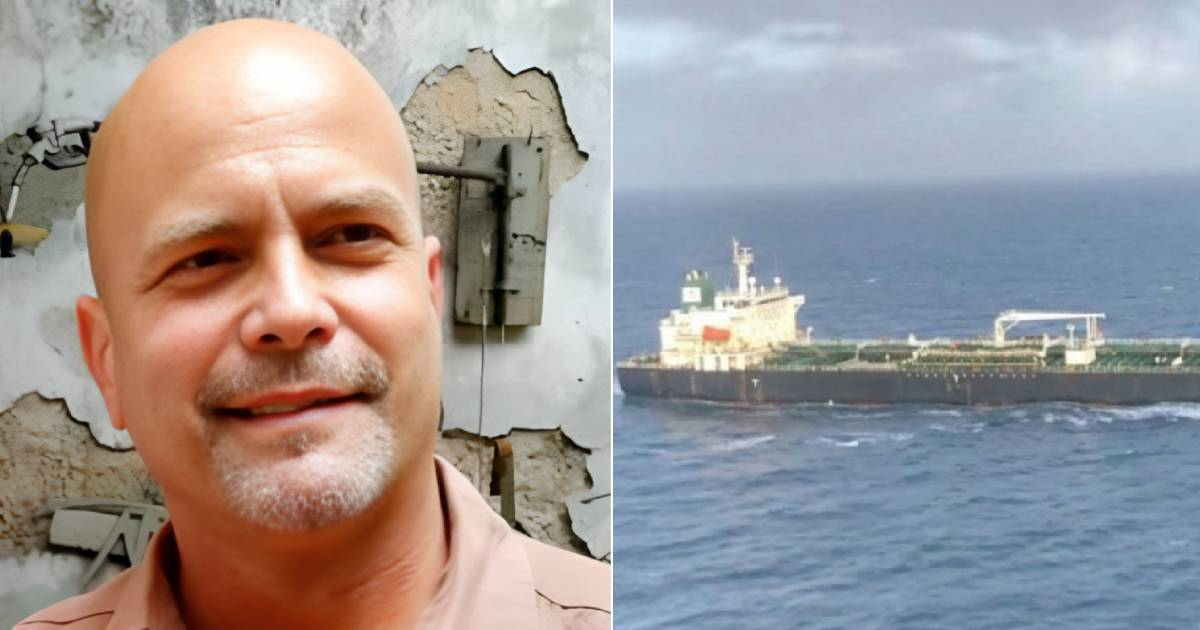
Through a post on social media, Hernández compared these actions to the recent seizure of a tanker loaded with sanctioned oil, which was carried out without any casualties, and questioned the use of lethal force in operations against alleged drug traffickers.
"If they can capture —without harm— a massive oil tanker, why can't they capture boats supposedly loaded with drugs, instead of killing their crew like dogs?" wrote the official leader.
Criticism amid the U.S. escalation in the Caribbean
The statements come in the context of an increasing military presence of the United States in the Caribbean, where Washington claims to be conducting an offensive against drug trafficking networks linked to criminal organizations and groups classified as terrorists. In recent weeks, lethal operations against vessels in international waters have been reported, resulting in dozens of deaths.
The U.S. government claims that these actions aim to protect national security and curb the flow of drugs into its territory. However, both the Cuban and Venezuelan regimes have denounced this as a covert military escalation, used as a pretext to politically pressure Caracas and its regional allies.
Hernández, one of the so-called "Five Heroes" of the Cuban regime, has been one of the most vocal advocates for the governments of Cuba and Venezuela in the face of accusations from the United States, especially in the current context of geopolitical tensions in the Caribbean.
A message aligned with the official narrative
The statements align with the narrative of the Cuban regime, which accuses the U.S. of acting unilaterally and violating international law under the pretext of the drug war. Meanwhile, Washington insists that it will continue its operations in the region as part of its hemispheric security strategy.
The exchange of accusations highlights the hardening of political rhetoric between Havana and Washington, at a time when the Caribbean has become one of the main centers of geopolitical friction in the hemisphere.
Filed under: