
Related videos:
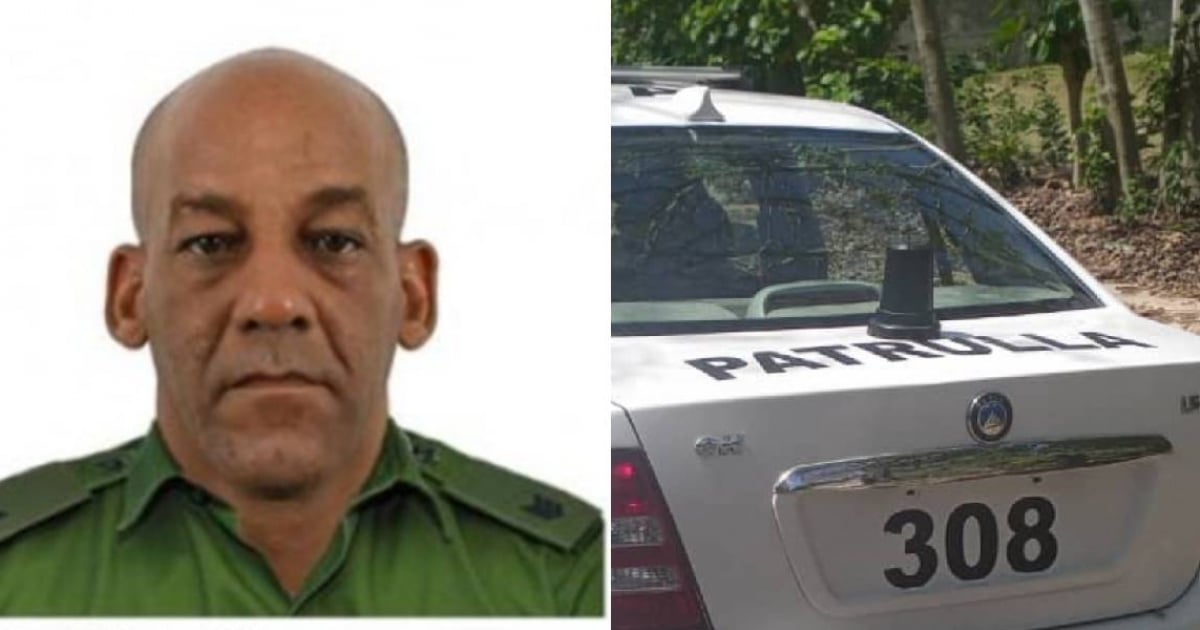
Yoel Pérez Tabares, one of the 32 deceased Cubans during the U.S. intervention in Venezuela to capture the dictator Nicolás Maduro, has now been identified by a victim of the repression in Cuba as an officer directly involved in acts of political persecution.
The complaint was shared by journalist Mario J. Pentón on the social network X, where a Cuban citizen recounted being summoned, interrogated, and threatened by the National Revolutionary Police (PNR) in October 2020 after being accused of placing a sign "against the Revolution."
According to the testimony, the complainant was interrogated for more than three hours, was under surveillance by State Security for six months, and was again detained on July 11, 2021, in the context of the anti-government protests that shook the island.
The Cuban asserts that the repressive actions were directed by then-Captain Yoel Pérez Tabares, whom he identifies as the officer who summoned him, interrogated him, threatened him with imprisonment, and maintained constant surveillance over him and his family environment.
“They were days of anguish for my family,” he recounted, noting that regime agents even came to his workplace to discredit him, which nearly cost him his job. Out of fear of reprisals, he claims he was forced to create an anonymous profile on social media in order to express himself.
The complainant directly holds Pérez Tabares responsible for the psychological and emotional harm suffered by him and his family, resulting from months of intimidation, threats, and constant fear.
After the officer's death in Caracas became known, the affected individual stated that he did not feel joy, but rather a "personal satisfaction" in having confirmed the identity of someone who, he claims, was one of his oppressors in Cuba.
The report rekindles the debate about the role of Cuban military personnel and agents deployed in Venezuela, many of whom have been officially presented as "collaborators" or "heroes," yet carry a history of political repression within the Island.
"They are not heroes. They are repressors," concludes the message circulated by Pentón, a phrase that encapsulates the feelings of many victims of the Cuban repressive apparatus upon learning of these new testimonies.
Filed under: