
Related videos:
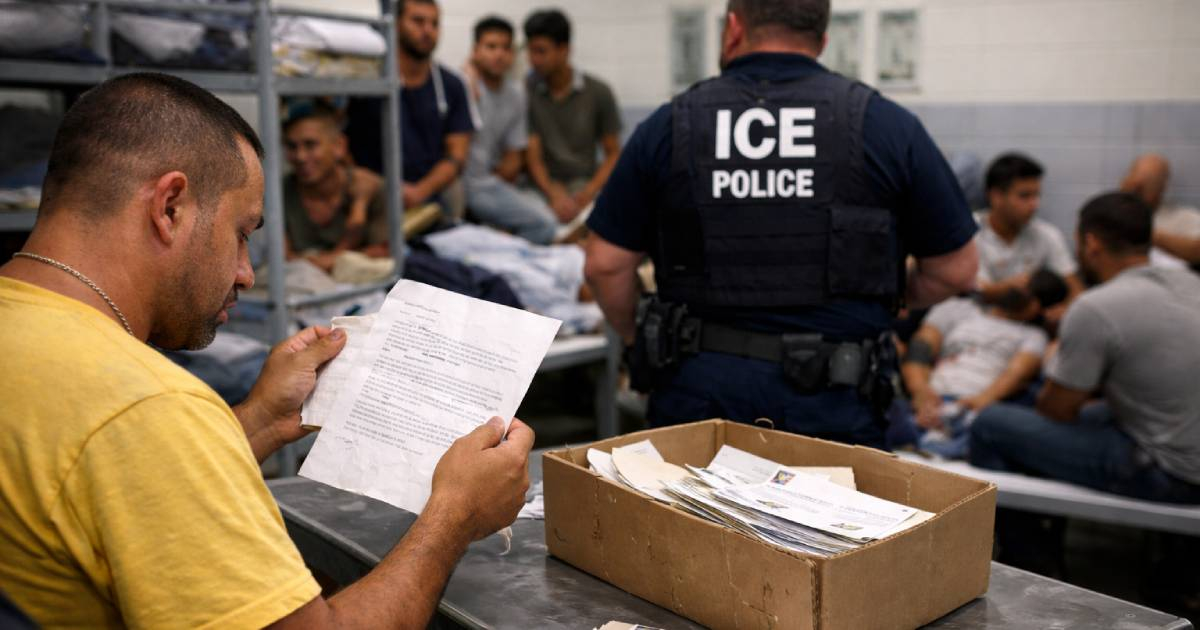
Cubans detained by the Immigration and Customs Enforcement (ICE) in the United States are among the immigrants who have filed a collective complaint regarding serious mail service failures within the Torrance County Detention Center in New Mexico. They warn that this situation is directly impacting their legal processes and leaving them on the brink of deportation.
According to a report published by Source New Mexico, at least 50 detained immigrants—from countries such as Cuba, Mexico, Venezuela, Cameroon, India, and the United Kingdom—claim that for over a month, they have been unable to send or receive mail regularly, including urgent legal documents such as immigration appeals and court petitions.
In two open letters dated in mid-December, the detainees complain that the postal service within the jail “is not functioning or does so poorly and intermittently,” which prevents them from meeting key legal deadlines.
According to reports, in some cases, mail is only delivered once a week and is not always picked up for sending, a situation they consider "very detrimental" to their right to defense.
The problem occurs in a particularly sensitive context. ICE has just extended and increased its contract with the private company CoreCivic, operator of the detention center, raising monthly payments to approximately $2.4 million, despite immigrant advocates highlighting deficiencies in basic services.
The extension of the contract was approved by county authorities retroactively, following the sudden expiration of the previous agreement on October 31, 2025.
Immigrant rights organizations, such as Innovation Law Lab, which conducts regular visits to the jail, assert that the failures in the mailroom began after the departure of an employee responsible for the area who was never replaced.
Its program director, Ian Philabaum, described the situation as "outrageous" and questioned why CoreCivic receives more funding while failing to ensure basic principles of due process.
CoreCivic, for its part, denied the allegations. A spokesperson for the company assured Source New Mexico that the complaints from the detainees are “false,” although they did not provide detailed explanations regarding the delays nor responded to specific cases documented by family members and legal advocates.
One such case is that of Andre Taylor, a Jamaican immigrant whose appeal was allegedly submitted past the deadline due to delays in mail delivery within the prison.
His brother warned that the situation put his stay in the United States at immediate risk. Two weeks after the delay, Taylor was transferred to a detention center in El Paso, Texas, a facility that is often a precursor to deportation.
ICE's national detention standards stipulate that facilities are required to ensure adequate postal services and may not hold correspondence for more than 24 hours, specifically to allow detainees to communicate with lawyers, courts, and family members.
Filed under: