
Related videos:
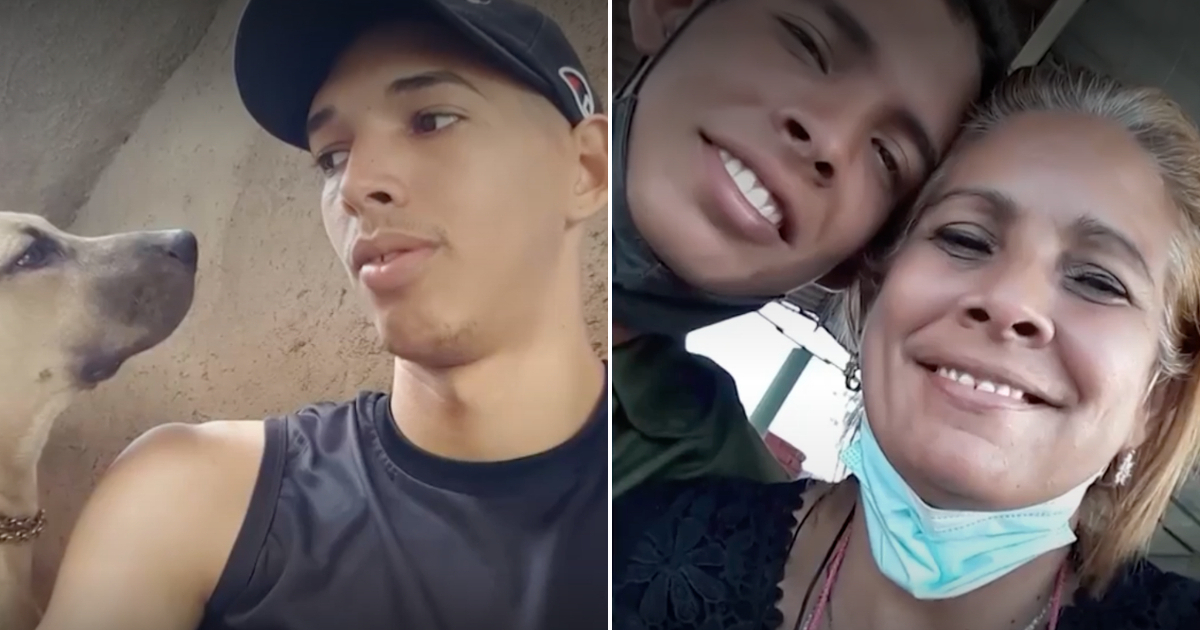
Jorge Alejandro Lozada Campos left Cuba determined to reunite with his partner and daughter in the United States. He was 24 years old and hopeful of leaving behind the crisis that suffocates millions of young Cubans. But his journey toward freedom came to a halt in Mexico, where he disappeared after boarding a boat in Chiapas on December 21, 2024.
His mother, Alicia Santos, remains on the island, trapped by poverty and the restrictions imposed by the Cuban government that prevent her from traveling to find him. Since then, she lives a double anguish: the absence of her son and the helplessness of being unable to leave the country to try to find him.
In an interview with TV Azteca, Alicia recalled the last video call with her son: “He said to me, ‘Mom, Lorena and I are going to leave now on this boat... In 6 or 8 hours I’ll call you, don’t call me, I will contact you.’ That was the last time I spoke with my son.” The promised call never came.
According to the family account, Jorge Alejandro left with other migrants from the coastal area of San José El Hueyate, in Chiapas, heading to Oaxaca as part of their journey towards the northern border. Since that moment, nothing was heard from them again. The case was brought to light days later by the Mexican media ADN40, which reported the disappearance of the young Cuban in the same region.
"Until today, nothing has really been said about the search for our children," lamented Alicia. In Cuba, the search is limited to calls, messages, and requests that almost never receive a response. "We don't have the financial means to go to Mexico to look for our children. The issue of visas, the bureaucratic matters... we need authorizations to be able to travel there," she explained.
The case of Jorge Alejandro is part of a broader list of missing persons in Chiapas. By the end of 2024, at least 40 migrants—mostly Cubans, but also Hondurans and Ecuadorians—disappeared in that same area, according to information from civil organizations and local reports that documented the complaints from families and search groups such as Sin Fronteras IAP and the Fray Matías de Córdova Human Rights Center.
Families have reported a lack of progress in the investigations, as well as bureaucratic obstacles and extortion during the search. Some received messages demanding sums of money for supposed kidnappings, without any proof of life being provided. Mexican authorities have not reported any concrete results or active search operations.
The locality of San José El Hueyate, on the Pacific coast, has become a recurring starting point for illegal routes to the north, amid the conflicts between criminal groups operating in the region. Journalistic reports and human rights organizations warn that the area is the scene of kidnappings, extortions, and unexplained shipwrecks.
A mother bound by distance
Alicia tries to stay in touch with other relatives of the disappeared and with organizations supporting migrants, but communication from Cuba is intermittent. The lack of resources and connectivity limits any attempts at independent research. "It's an unequal struggle," she acknowledged.
From the island, Cuban mothers of the disappeared in Mexico have called on the authorities of both governments for more effective cooperation mechanisms. They have also requested consular support to access information on whereabouts, DNA matching, and legal assistance, but have not received clear responses.
"Whatever the condition: whether on the street, kidnapped, or dead... What I want is to bring him back to Cuba," said a mother of another one of the missing young men, in a statement that encapsulates the shared pain of dozens of families still waiting for news.
Meanwhile, Alicia continues to wait for a call that doesn’t come, from a country that won’t let her leave and another that doesn’t provide any answers.
Filed under: