
Related videos:
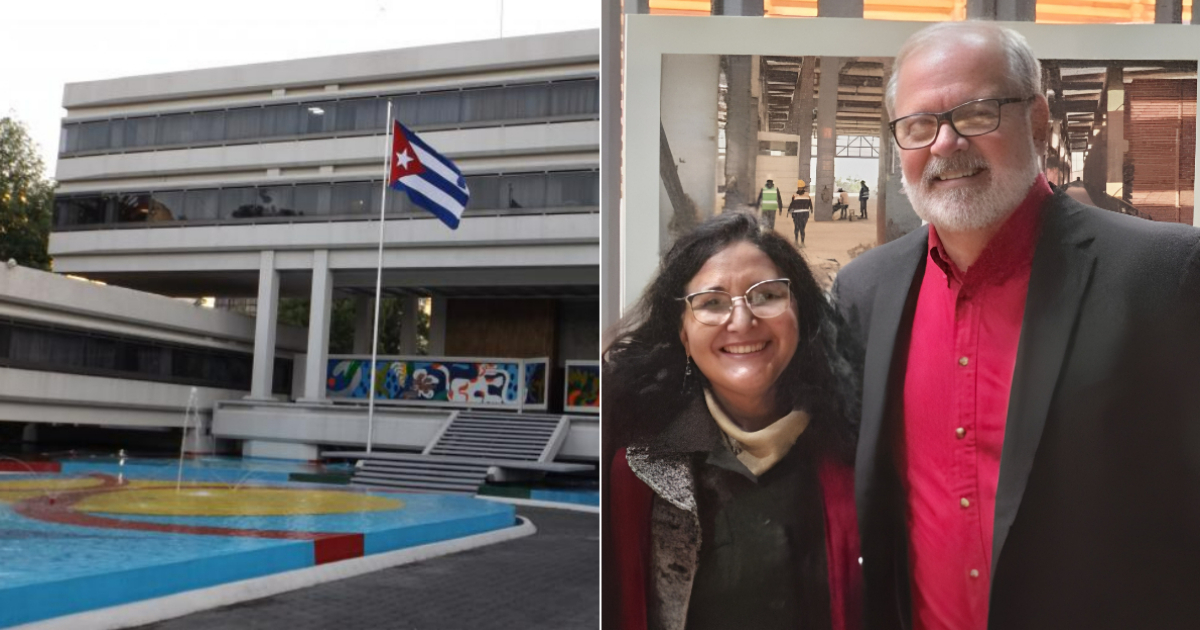
The Cuban regime has appointed official Johana Tablada de la Torre and her husband, Eugenio Martínez Enríquez, as new diplomatic representatives in Mexico, in a move that confirms Havana's commitment to placing figures of complete trust in the most strategic positions of its foreign policy.
Tablada de la Torre, Deputy Director General for the United States at the Ministry of Foreign Affairs (MINREX) - until recently - will take on the role of ambassador and Deputy Chief of Mission, while Martínez Enríquez will assume the principal leadership of the embassy.
The appointment of this diplomatic couple occurs in a regional context marked by the fall of Nicolás Maduro and the beginning of the transition in Venezuela, which has left Mexico as the main energy and political support for the Cuban regime.
With the end of oil supplies from Caracas, the government of Miguel Díaz-Canel now depends on shipments of Mexican crude to sustain the fragile energy system of the island.
Under the leadership of the outgoing ambassador, Marcos Rodríguez Costa, Mexico established itself as a key ally of Havana.
Between 2023 and 2025, agreements with the Mexican government enabled the shipment of over 3 billion dollars in oil and derivatives to Cuba, according to independent reports. This support has been vital in keeping the Cuban economy afloat, which has been hit by a deep energy crisis and the loss of its former benefactor, Venezuela.
The arrival of Tablada de la Torre and Martínez Enríquez at the embassy in Mexico City aims to ensure the continuity of that alliance.
Both are hardline officials, known for their ideological loyalty and their role in defending the regime's official narrative in international forums.
Their joint designation—an anomaly in international diplomatic practice—highlights the priority that the regime gives to the Mexican headquarters, regarded today as a crucial hub of its foreign policy.
On social media, the diplomat described her appointment as an "honor and commitment to the Revolution," while Díaz-Canel emphasized the "patriotic dedication" of the new ambassadors during the swearing-in ceremony.
However, analysts warn that this change aims to achieve more than just diplomacy: it seeks to control the flow of energy and financial resources coming from Mexico, at a time when Cuba is facing prolonged blackouts, fuel shortages, and rising social discontent.
With the loss of Venezuela as a source of subsidies and under international pressure for human rights violations, the alliance with Mexico has become a matter of survival for Havana.
In the hands of Tablada de la Torre and Martínez Enríquez, this mission takes on a decisive importance for the immediate future of the regime.
Filed under: