
Related videos:
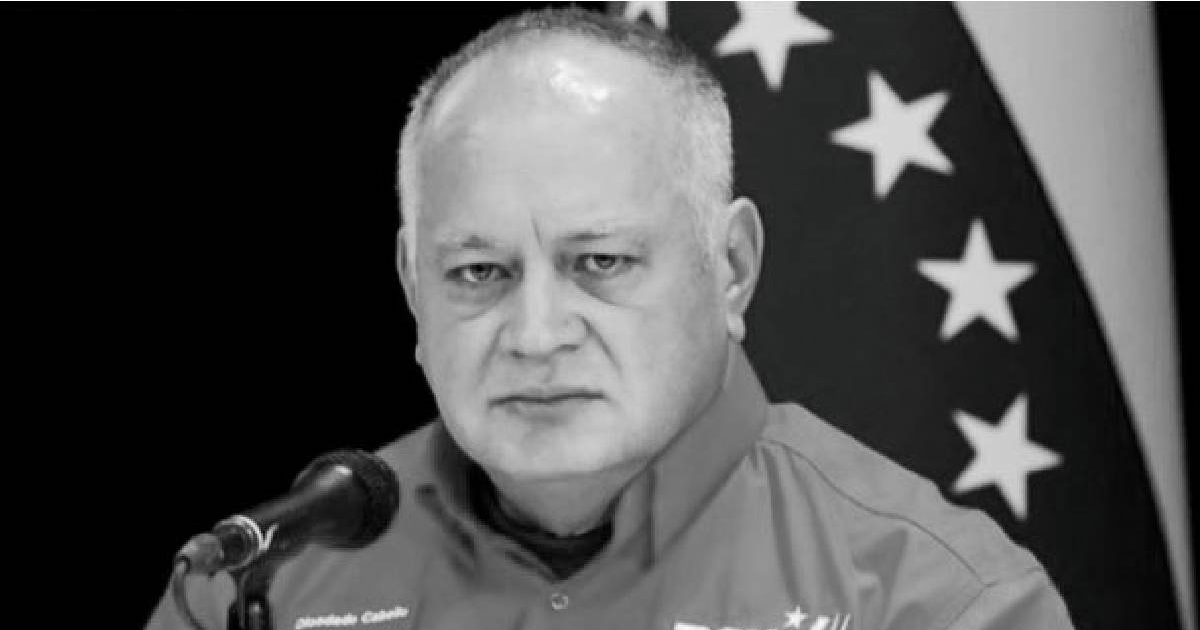
The chavista leader Diosdado Cabello claimed that the recent releases of political prisoners and detainees in Venezuela were a “decision made by Nicolás Maduro” as part of an alleged process of “national reconciliation.”
"That has to do with a process of national reconciliation... it is a decision that Nicolás Maduro made in December," stated Cabello, the first vice president of the United Socialist Party of Venezuela (PSUV), during remarks broadcast by state media and shared by teleSUR.
He added that those charged with murder and drug trafficking were excluded from that measure, acknowledging that many are imprisoned without having committed any crimes.
The also second-in-command of chavismo defended that the releases are part of an "effort to guarantee peace" in the country, without mentioning the international pressure and the negotiations that led to these releases, promoted from Washington after the capture of former president Nicolás Maduro at the beginning of January.
Diplomatic sources in Caracas and Washington have indicated that the releases, which include activists, opposition members, and former military personnel, occurred after direct pressure from the United States government, which linked any easing of sanctions to the fulfillment of human rights commitments.
Since the detention of Maduro by U.S. forces and the establishment of the interim government led by Delcy Rodríguez, the administration of President Donald Trump and Secretary of State Marco Rubio have demanded that chavismo take concrete steps towards a political transition and the release of political prisoners.
Cabello, however, tried to attribute the measure to an initiative by Maduro himself prior to his capture, in what analysts see as an attempt to maintain the narrative of continuity and leadership of the former president.
Excarcerations were presented by state media as part of a "national reconciliation" process, but the international community has interpreted the measure as a result of negotiations led by Washington to accelerate the reconfiguration of power in Venezuela following Maduro's departure and the reorganization of the Chavista apparatus under Delcy Rodríguez's control.
Cabello, one of the most powerful men in the PSUV, faces sanctions from the United States for alleged involvement in corruption and drug trafficking. His influence within military and party structures keeps him as a key figure in the transition process and in negotiations with U.S. authorities.
Meanwhile, human rights organizations continue to demand the release of more than 200 political prisoners who remain in Venezuelan jails, many of whom were arbitrarily detained during the protests of recent years.
Filed under: