
Related videos:
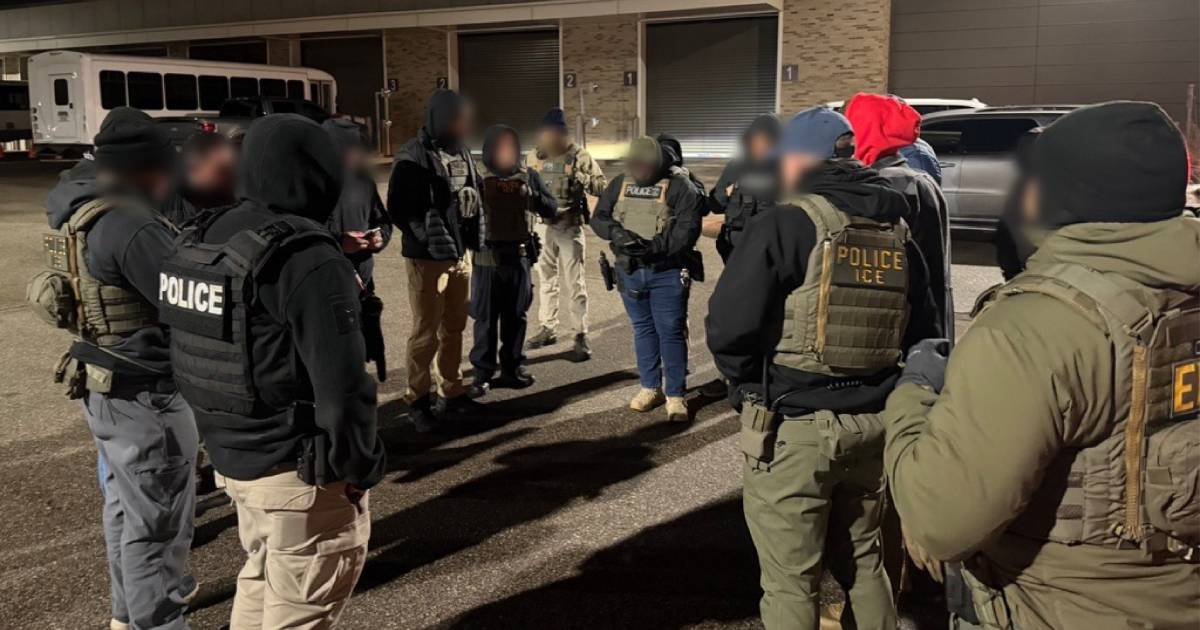
Amid the climate of tension prevailing in several cities across the United States due to immigration enforcement operations, an immigration attorney reminded that recording raids and arrests by the U.S. Immigration and Customs Enforcement (ICE) is legal, as long as no acts are committed that could be interpreted as interference.
During a broadcast of Noticias Telemundo Mediodía, attorney Katia Quiroz explained that anyone can document events occurring in a public space without legal consequences, as long as there is no violence or obstruction of police work.
"It is legal to be a witness in a public place and to take out your camera and record," stated the specialist, who emphasized that such recordings can be crucial for bringing alleged abuses of power to court and having them evaluated by a judge.
According to Quiroz, the mere act of observing, peacefully expressing oneself, or recording does not constitute a crime. The problem arises when someone crosses the line and physically interferes with an operation.
Standing in front of an officer, blocking the path of an official vehicle, throwing objects, or touching an officer can be considered a direct obstruction and may result in immediate arrests, the lawyer warned on the Telemundo program.
In recent days, protests against ICE have surged in various parts of the country, fueled by reports of aggressive arrests and incidents that have sparked public outrage.
In this context, lawyers and legal experts have warned that interfering in an immigration operation, even with the intention of helping or protesting, can result in criminal charges, hefty fines, and even jail time, with particularly serious consequences for those who are not U.S. citizens.
A recent report indicates that, depending on the state, interference can be classified as a misdemeanor and punished with months of jail time and financial penalties. At the federal level, resisting or obstructing an agent can fall under offenses that carry even harsher penalties.
The risk multiplies if a person is accused of helping someone evade ICE, for instance by hiding or transporting them, which can lead to sentences of several years in prison.
Filed under: