
Related videos:
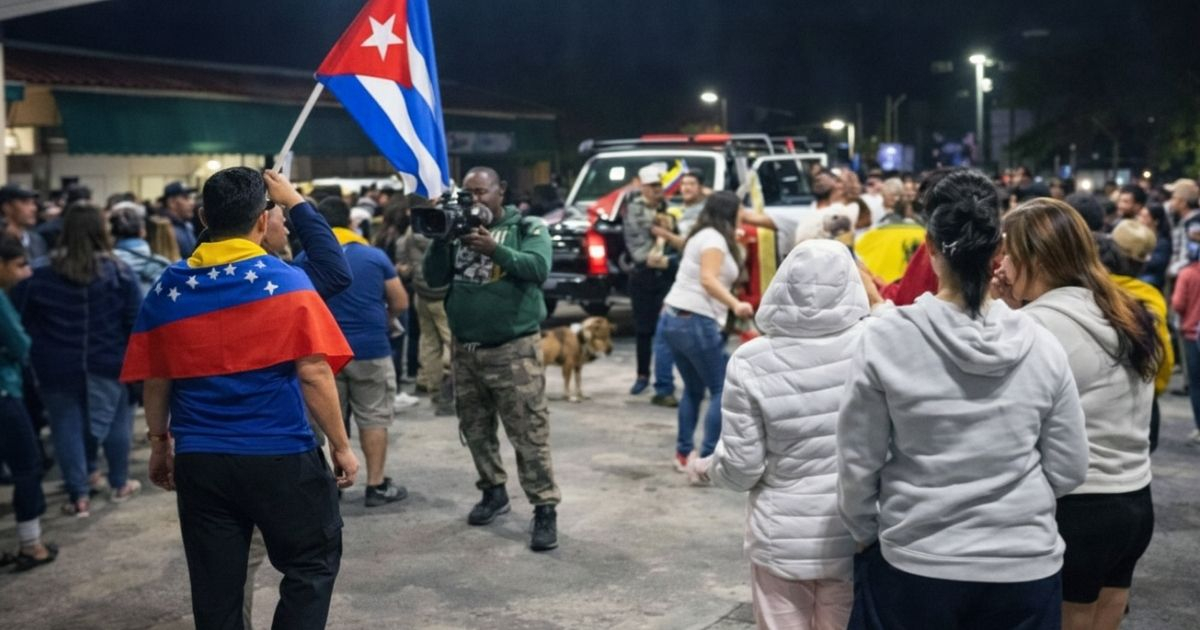
Although Nicolás Maduro's capture was met with joy by many Venezuelans in the United States, fear persists among those with uncertain immigration status who fear being deported to a country that they assert is still too dangerous to live in.
According to a report by NBC News, several migrants and asylum seekers claim that, despite the fall of the leader, the Chavista regime remains in power and the situation in Venezuela continues to be unstable and hostile towards opponents.
“It is something extreme and dangerous for those of us who are outside, because we are targets of the regime and armed groups,” said Jhovanny, a 44-year-old asylum seeker residing in Chicago, who requested not to disclose his last name for fear of reprisals and jeopardizing his immigration case in the United States.
Jhovanny fled Venezuela after reporting political persecution and was granted Temporary Protected Status (TPS).
However, there is a fear of losing that protection after President Donald Trump moved forward with his plan to revoke the benefit for thousands of Venezuelans and citizens of other countries.
The measure, which faces legal challenges, would allow the Government to order the departure of those currently protected by TPS.
At the same time, Washington has intensified arrests and deportations of immigrants across the country.
Fear also affects young families like that of John Rivas, 24, and his wife, Elimar Rodríguez, 22, who arrived in Los Angeles in 2024 with their two small children.
Both are awaiting a response regarding their TPS applications, but they assert that uncertainty is growing with the new immigration restrictions.
Rivas works as a transportation services driver, and Rodríguez left her job as a cleaner to take care of her children.
"I want to be here more than in my country," Rivas said. "I don't see how it's possible to go back there right now."
Rodríguez recounted that in Venezuela they barely earned 20 dollars a month and that the price of two pounds of meat reached 13 dollars. "Life became impossible," he said.
Even the remittances from the United States are nearly completely lost due to the collapse of the banking system.
"If I send $500, my mother only receives $100 a month because there is no money in the banks," Rivas added.
In Chicago, Renny Milano, an asylum seeker and activist with the Manos Entrelazadas South Side Alliance organization, warned that Maduro's capture does not mean the end of the danger.
"With Maduro imprisoned, what comes next is a more severe crisis, because those in power in Venezuela are fighting among themselves," he stated.
Milano said that fear among Venezuelans has not diminished. "All that struggle is ultimately paid for by the people," he lamented.
Filed under: