
Related videos:
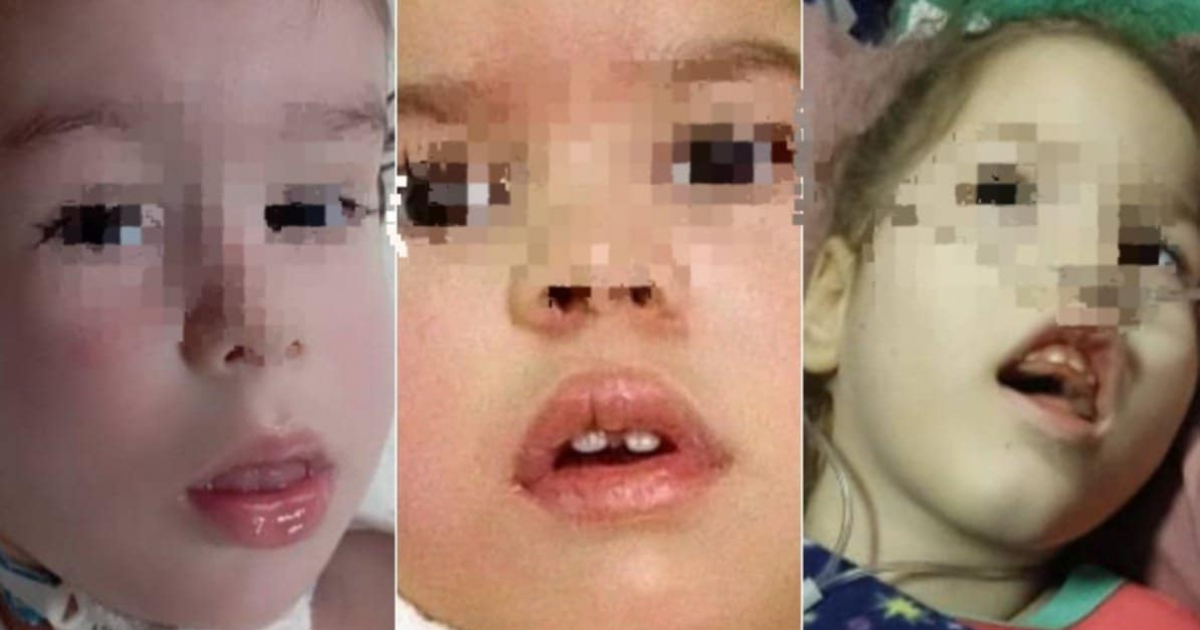
The Cuban journalist Mónica Baró Sánchez launched a fundraising campaign on GoFundMe - which has only raised $715 - with the urgent goal of purchasing electric generators for three seriously ill girls in Cuba.
The survival of the infants depends on medical equipment that cannot run out of power, something unthinkable outside a hospital, amidst the constant blackouts the country is experiencing.
"There are children who go through hospitals. And there are children who grow up in them, not because they have to, but because their homes cannot guarantee something as basic as the continuous electricity they need to survive," wrote Baró while sharing the campaign on Facebook.
The initiative aims to acquire three specialized electric generators, not common plants, to ensure the continuous operation of ventilators, assisted feeding equipment, and neurological devices in the homes of these girls.
The money will also cover transportation and installation costs.
The beneficiaries are:
Valentina Ramos, one year and nine months old, has never lived outside of a hospital. Following a serious episode at birth, she required a tracheostomy and a gastrostomy. She breathes and eats with medical assistance.
She still doesn't have a definitive diagnosis, but doctors suspect muscular atrophy. Her mother dreams of bringing her home without a blackout endangering her life.
Yeilín, who is two years old, suffers from spinal muscular atrophy type 1.
After suffering a respiratory arrest, she is now permanently connected to a mechanical ventilator. Her life entirely depends on that equipment functioning 24 hours a day.
Each power outage is a direct threat. She has an older sister and a twin brother she barely knows because he is hospitalized in therapy.
Milena Acosta, six years old, suffers from Lennox-Gastaut syndrome, a severe neurological disorder that causes frequent seizures. Her father has had to assist her in the early morning hours, without light, unable to use medical equipment or communicate with emergency services.
A generator would be, for them, the difference between panic and safety.
Baró explained that the families of the girls will provide invoices and receipts as proof of transparency to show that the money received was used correctly.
"A generator doesn't cure a disease, but it allows for breathing, eating, sleeping, and living at home. It enables a girl to stop growing up within clinical walls. It allows a family to be together again. It ensures that daily life isn't a constant emergency," he emphasized.
The reporter emphasized that any contribution, no matter how small, can be helpful.
"The idea is to bring together a few among thousands of supportive hearts to make a difference and change the lives of these three girls," he concluded.
What this campaign reveals is something deeper: the Cuban state has stopped ensuring the most basic needs for the most vulnerable. There are no medications or supplies, and there is no electrical backup. In short: there are no answers. The sick and their families are helpless.
In a country where propaganda speaks of "free healthcare," three girls need international assistance to breathe safely in their own homes. Solidarity fills the gap left by the government's shortcomings.
Filed under: