
Related videos:
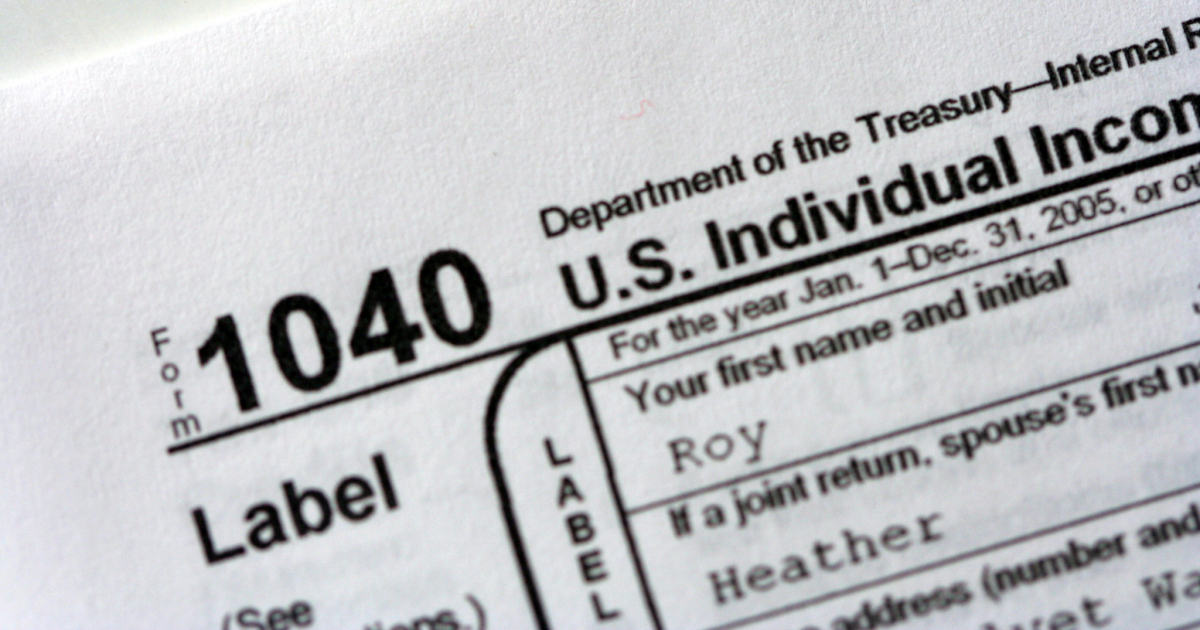
With the official start of the tax season in the United States on January 26, a familiar anxiety returns for thousands of undocumented immigrants, including many Cubans, who grapple with whether to comply with the IRS or remain anonymous out of fear of immigration consequences. The deadline for filing is April 15, but the context of this year has reignited fears that extend beyond just the numbers.
Although at the end of last year a judge blocked a program that allowed for the exchange of information between the Internal Revenue Service (IRS) and U.S. Immigration and Customs Enforcement (ICE), distrust persists within the immigrant community. “The fear for many is inevitable,” acknowledged a report from Telemundo when discussing the start of the tax season.
During a television interview, immigration attorney Kathia Quiróz explained that the fear is not unfounded, but it must be analyzed carefully. She detailed that the risk of filing taxes primarily exists for individuals with active deportation orders or serious criminal records, as in those cases, authorities could request information such as the home address. However, she cautioned that failing to declare taxes could have much more serious long-term consequences.
"Failing to file taxes is a more serious risk, as it can prevent a person from getting their paperwork in order in the future," emphasized the lawyer in statements reported by Telemundo. Based on her experience, when both options are weighed, fulfilling tax obligations is usually the more prudent decision, as tax evasion constitutes a crime.
The dilemma particularly affects those who file using an ITIN number, a route employed by many undocumented individuals to comply with tax obligations. The specialist explained that those who have never filed can request the ITIN at the same time they submit their tax return, a crucial step to "regularize" their status, even if they did not do so in previous years.
"The most common fear," he said, "is thinking that 'they are going to come looking for me,' although he clarified that, so far, information requests have not been widespread and have mainly focused on individuals who are already actively being sought by the authorities. Nevertheless, he acknowledged that the uncertainty weighs heavily, especially in communities marked by years of changing immigration policies."
This climate is compounded by significant changes this tax season. Individuals filing with an ITIN will not be able to access the child tax credit of up to $2,200, except in cases of mixed-status couples where one spouse has a Social Security number. This measure directly impacts working families, many of whom are Cuban, who rely on these benefits to balance their finances.
Meanwhile, experts recommend filing the tax return as soon as possible. The IRS estimates that those who file electronically and choose direct deposit can receive their refund in less than 21 days. In a year marked by staff cuts at the agency and potential delays, getting ahead may mean less stress and more speed, although it doesn't eliminate the anxiety.
Filed under: