
Related videos:
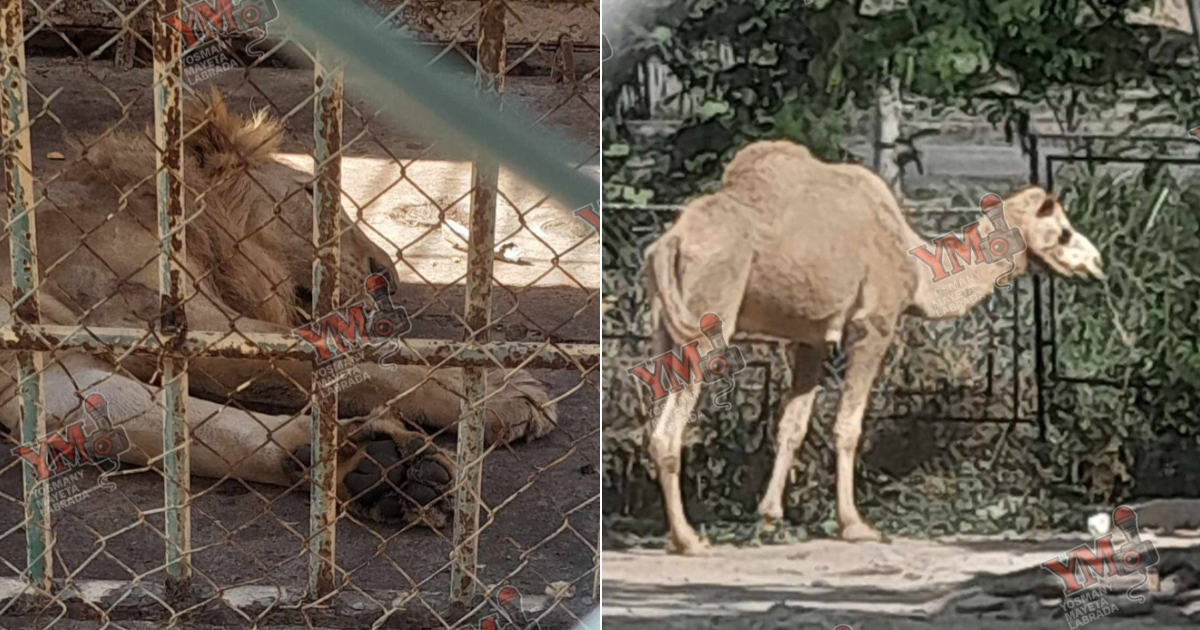
A new report on social media exposes the poor conditions in which the animals at the Santiago de Cuba Zoo survive, where recent images show tigers, lions, and jaguars caged amid rust, dirt, and evident deterioration.
The independent Cuban journalist Yosmany Mayeta Labrada published a report accompanied by photographs that depict the state of the facility and the concerning condition of the animals. “What is experienced today at the Santiago de Cuba Zoo is not a recreational visit or an educational space… it is a depressing scene that reflects the misery and neglect with which the State treats even the most emblematic animals,” he wrote.
The images shared show large felines lying on dirty floors and in cages that lack adequate conditions. According to the text of the complaint, the animals “practically sleep on their own feces and are fed unworthy scraps, such as entrails and even cow bile, in an act that demonstrates not only deprivation but also a concerning level of institutional mistreatment.”
Mayeta Labrada also questioned the lack of maintenance at the zoo and the absence of recreational options for families, noting that the place “is so neglected that rather than uplift you, it makes you feel depressed, because what you breathe in is ruin, sadness, and total abandonment.”
Users on social media reacted with indignation and sadness, describing the facility as a place unfit for animals, and calling for the closure of the zoo or the relocation of the animals to a more suitable environment. Others recalled that the deterioration "is not new," noting that similar problems with food and veterinary care have been reported for years.
The case adds to other recent reports on the condition of Cuban zoos, such as the one in Camagüey, where a lion reportedly went over a week without food; and that of the Colón Zoo in Matanzas, described by an activist as “a living cemetery.” Weeks earlier, at the Santiago zoo itself, a worker responded with a “there they are” when asked about the condition of the animals, according to a previous report that sparked backlash on social media for reflecting institutional indifference.
The recent discovery of remains of the crocodile that escaped from the Caibarién zoo in Villa Clara has once again highlighted the lack of control and supervision over animals in captivity. Images shared on social media showed parts of the reptile found in a dumpster, even though authorities had stated that the specimen had been recovered alive. This case has reignited the debate about the state's management of zoos and the urgent need to improve their conditions and control mechanisms.
Reports of the deterioration of zoos in Cuba have increased in recent months. Animal rights groups and citizens are insisting on the urgent need for authorities to intervene to ensure proper conditions and to enforce the existing animal protection laws in the country.
Filed under: