
Related videos:
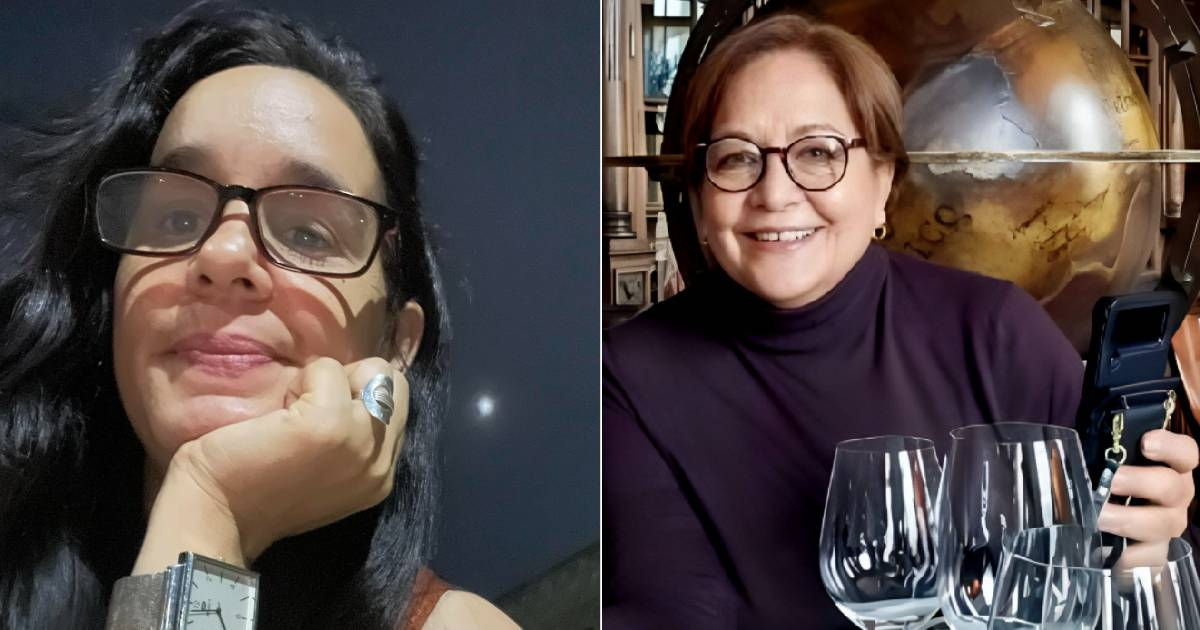
The press chief of the Cuban leader Miguel Díaz-Canel, Leticia Martínez Hernández, defended the official journalist Arleen Rodríguez Derivet this Tuesday, after a clip from one of her interviews went viral on social media and triggered a wave of criticism for downplaying the blackouts affecting the population.
"My embrace to Arleen, those who vilify her today would wish to reach her ankles," Martínez wrote in a message posted on social media, where he praised the host of Mesa Redonda for "putting her face to so many battles for Cuba" and taking on "the honor" of being one of the "most beloved" individuals of the leader.
The communist communicator even referred to the very blackouts as part of the journalist's sacrifice: “If they knew the hours of blackout you endure in that Block Four… they don’t know you or feel you. We do.”
The phrase that sparked outrage
The controversy arose after a segment of the program Conversa con Correa, broadcast by RT en Español last November, was circulated again, in which Arleen Rodríguez interviewed former Ecuadorian President Rafael Correa.
In the midst of a conversation about the Cuban energy crisis, the journalist tried to downplay the blackouts by stating, "José Martí never experienced electric light, and he was a genius... I wish I could write a line like Martí with the light on."
Correa's response was immediate and reflected incredulity: “But Arleen, we are in the 21st century.”
The gesture of the former president, caught between surprise and irony, highlighted the contrast between the official rhetoric and the everyday reality of millions of Cubans.
Viral during the midst of an extreme energy crisis
The video resurfaced this week in a particularly critical context: Cuba is experiencing one of the most severe moments of its energy collapse, with blackouts in several provinces exceeding 40 consecutive hours, impacting food preservation, hospital operations, and daily life.
Far from being an isolated anecdote, Rodríguez Derivet's statement was interpreted by many as a reflection of the regime's propaganda apparatus disconnect from the real suffering of the population.
A regime that protects its spokespersons
Leticia Martínez's public defense confirms the absolute support of those in power for their media figures, even when their statements provoke social outrage.
While the country sinks into endless blackouts, inflation, scarcity, and a health crisis, the government continues to justify the disaster with historical references, epic speeches, and appeals to sacrifice, instead of providing concrete solutions.
For many Cubans, the phrase about Martí was not only unfortunate; it was the perfect symbol of a regime that seeks to normalize precarity as a destiny.
Filed under: