
Related videos:
The acting president Delcy Rodríguez announced on Friday a general amnesty for political prisoners in Venezuela and promised to close El Helicoide, a symbol of Chavista repression, although she did not specify deadlines or concrete mechanisms to ensure full freedoms.
The announcement was made during an event at the Supreme Court of Justice, closed to the press, where Rodríguez stated that he would present a general amnesty law to the National Assembly "to promote coexistence in Venezuela," a decision that, he said, was previously discussed with Nicolás Maduro.
The measure could benefit hundreds of political prisoners who still remain incarcerated, a month after the gradual releases began following Maduro's capture on January 3, highlighted the Spanish newspaper El País.
While chavismo claims to have released over 600 people, human rights organizations estimate the number of releases to be around 302, many of whom are under strict precautionary measures.
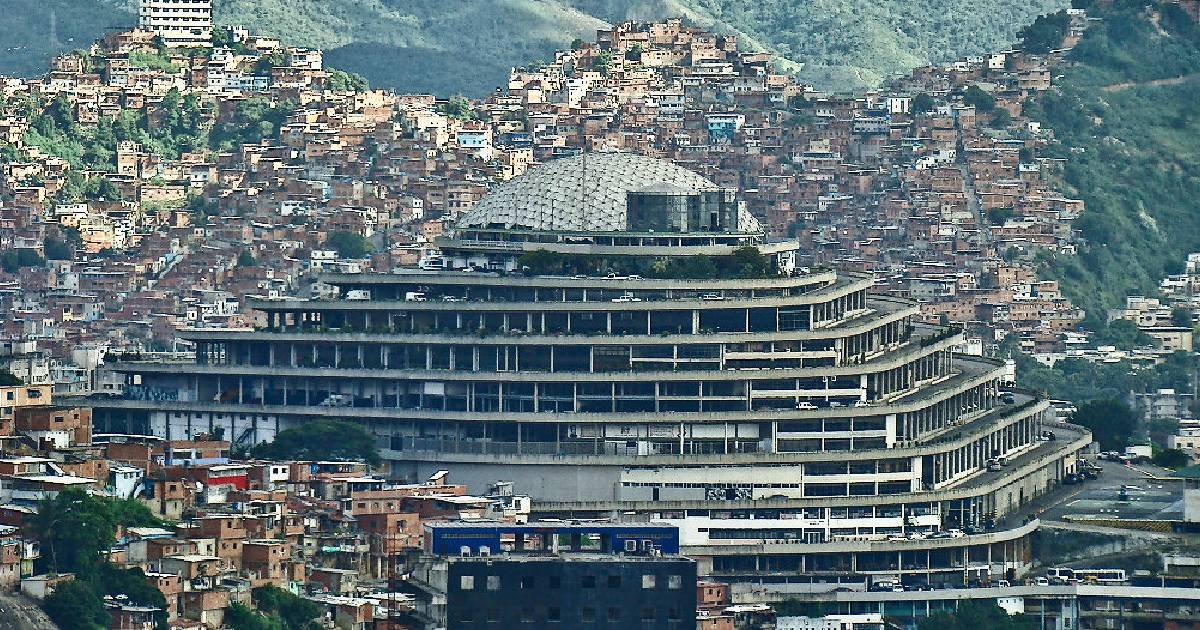
Rodríguez also surprised by announcing that El Helicoide, considered the main center for detention and torture under the regime, will be transformed into a space for social and sports services for the community.
The building, managed by intelligence services, has been a symbol of the repressive apparatus of Chavismo for years.
According to the official, the future amnesty law will aim to erase the criminal charges of the beneficiaries, unlike the current releases, which impose restrictions such as prohibitions on leaving the country, speaking to the press, or accessing certain jobs.
However, the initiative will exclude those convicted of homicide, drug trafficking, and common crimes.
Chavismo has historically used political prisoners as bargaining chips in internal and external negotiations.
Although no amnesty has been approved since 1999, partial pardons have been granted, such as in 2020, when Maduro released 110 opposition members, a measure that was criticized at the time for its lack of transparency and for including common prisoners.
The pressure for a general amnesty has intensified following Maduro's fall, with the relatives of detainees organizing vigils and protests outside the prisons.
Advocacy organizations have warned that, in many cases, released individuals remain subject to legal restrictions, surveillance, and pressure, which has fueled calls for a regulation that definitively closes the judicial proceedings opened for political reasons.
The announcement comes against a backdrop of increasing social pressure. Family members of detainees have reignited protests, vigils, and camps outside prisons, demanding transparency and the total release of political prisoners.
According to estimates from NGOs, there are still between 600 and 700 people imprisoned for political reasons, along with thousands of citizens subjected to judicial measures and an indeterminate number of exiles, which keeps the discussion about the real scope and credibility of the promised amnesty ongoing.
That figure is further increased by over 9,000 individuals under judicial measures, in addition to an unspecified number of exiles due to political persecution.
NGOs and opposition sectors insist that political transition cannot be discussed while arbitrary detentions and conditional freedoms continue.
Releases are progressing slowly, with no official lists or clear guarantees, and it is still estimated that between 600 and 700 political prisoners remain incarcerated.
For many family members and activists, the closure of El Helicoide and the amnesty will only be credible when they result in real and verifiable freedoms, rather than new promises without concrete action.
Filed under: