
Related videos:
The Caribbean journalist Dánica Coto, a correspondent for the Associated Press, returned to Cuba at the end of January after more than three years without visiting the island, and was struck by the extreme poverty, devastation, and widespread crisis she found there.
The reporter published her testimony, providing a stark portrayal of the material degradation, darkness, and poverty that currently define the daily lives of Cubans.
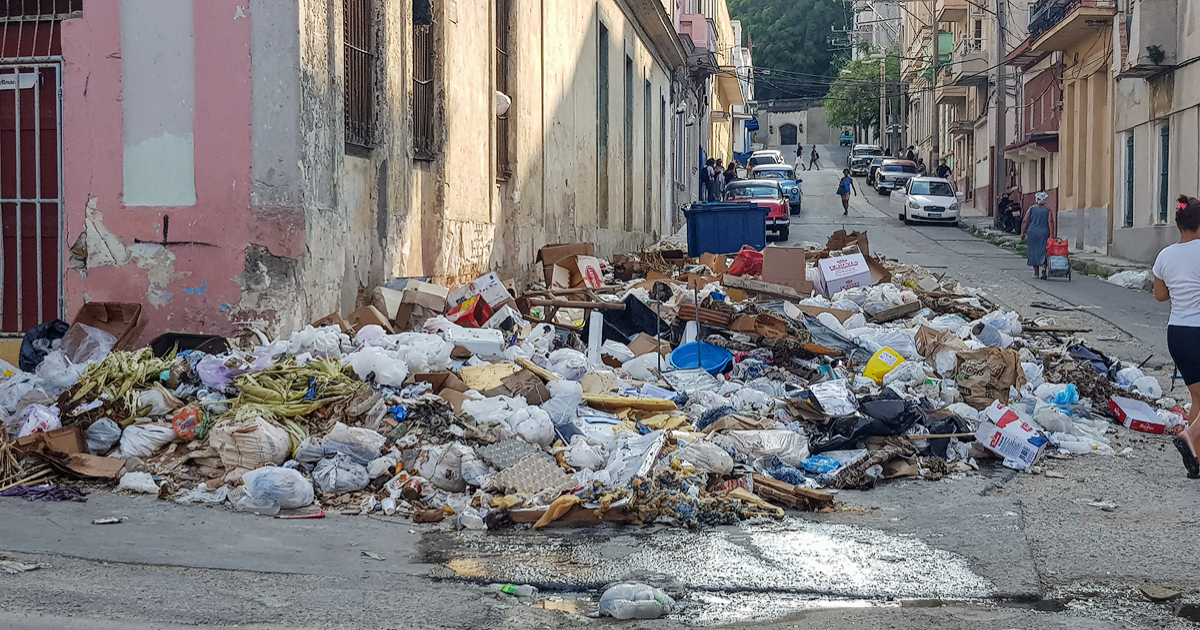
“The amount of trash piled up in the corners and the visible deterioration in every street are shocking,” said Coto in an interview with Laura Martínez, the editor of AP.
"I saw a man in clean clothes rummaging through a pile of waste to retrieve a small plastic container. That scene sums it all up," he pointed out.
According to the reporter, the cleaning crews and collection trucks are halted due to a lack of fuel and spare parts, while the urban infrastructure crumbles.
“The buildings of Havana, from the baroque to the art nouveau, are falling apart,” he recounted.
He described how what used to be an enjoyable Havana night is now a grim picture: “The horizon is almost completely dark. Planned and unplanned blackouts plunge the capital and the rest of the country into darkness.”
Even luxury hotels have had to adapt to the shortages. "At the hotel where I'm staying, they cut the napkins in half to save resources, and when there is butter, they serve just a drop," he explained.
In the state offices, the situation is no better: there is a shortage of toilet paper, the water is cut off in the middle of the afternoon, and the internet connection experiences constant interruptions.
“Cubans are used to improvising,” said Coto, noting that more and more families are cooking with firewood and charcoal due to the shortage of gas and prolonged power outages.
"I saw neighbors cooking over a makeshift fire in front of their building," he recounted. "Others spend hours waiting in line to get gasoline, while many banks are out of cash."
The report arrives amid an unprecedented crisis, exacerbated by the collapse of the Chavista regime in Venezuela, Cuba's main ally and oil supplier. The journalist emphasized that "the ripple effect of the American attack on Venezuela has not yet been fully felt on the island."
Experts cited by AP warn that the interruption of Venezuelan oil shipments and the possible suspension of already reduced Mexican aid could trigger "an energy and humanitarian catastrophe."
The situation worsened even further following the emergency decree signed by Donald Trump this Thursday, which imposes a tariff on all countries that export oil to Cuba.
"The U.S. government seeks to provoke the financial collapse of Castroism without direct military intervention,” analysts stated.
Despite the deterioration, Coto found signs of civil resistance and pride. "Many Cubans tell me that they will not allow themselves to be manipulated by any foreign power. Some install solar panels; others grow their own food," he said.
But the journalist also perceived a growing moral exhaustion: “There is a mix of resignation and repressed anger. People survive, but without hope,” she lamented.
While Trump assured from Iowa that "Cuba is very close to failing", Secretary of State Marco Rubio reaffirmed before the Senate that the United States "seeks a change in dynamics" and described the regime as "a backward dictatorship, without a functional economy."
The response of the Cuban government has been the usual: denunciations of "interference" and calls for the people to resist. "Homeland or death, we will prevail" remains the rallying cry of official events, even as neighborhoods sink into darkness and garbage bags litter the streets.
Coto's testimony points to a bitter reflection: In Cuba, the only thing that hasn’t completely fallen apart is the dignity of ordinary people, but it is at risk of being buried under garbage and despair.
Filed under: