
Related videos:
A 33-year-old man was arrested this week after being involved in one of the most unusual cases to shake Miami this year: the theft of hundreds of thousands of dollars in technology merchandise to spend the money... on virtual gifts during live broadcasts on TikTok.
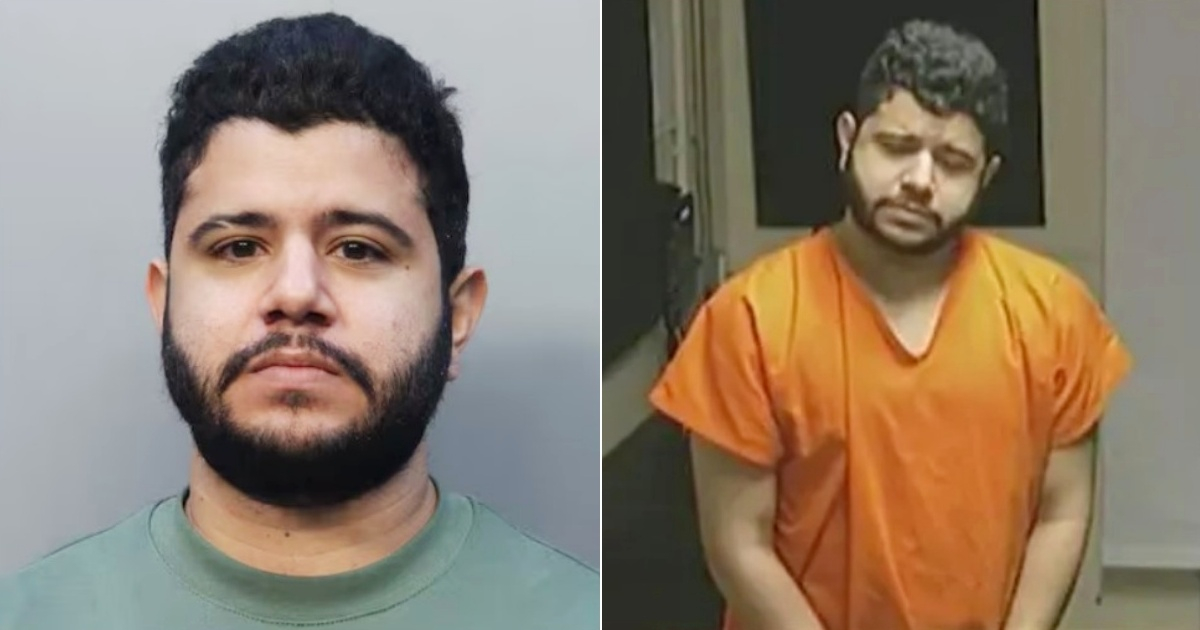
The detainee, of Venezuelan origin and identified as Ricardo José Blanco Núñez, worked for the company Abound Trading Corporation, a distributor of electronic products.
According to police and judicial reports - cited by local press - the accused began stealing boxes full of memory cards and other devices from the warehouse where he worked, hiding them in order to resell them in the informal market.
Investigations revealed that, between November 2025 and February 2026, at least 55 boxes disappeared from the inventory.
Blanco admitted to stealing goods worth 811,250 dollars, although the owner of the company reported a total shortfall estimated at 2.5 million dollars.
But what surprised the authorities the most was not the scale of the robbery, but the destination of the money: the compulsive purchase of “coins” and digital gifts on TikTok.
TikTok as motivation: fame, likes, and validation
According to police reports, Blanco Núñez confessed that a large portion of the money was spent on live broadcasts on TikTok, where he sent high-value virtual gifts to content creators.
These gifts— which can cost hundreds of dollars each, provide visibility within the platform—allow users to be recognized by influencers and make their name stand out in the interactive rankings of the social network.
“The goal of Blanco was to gain visibility, likes, and fame in live broadcasts. All for the ‘clout’,” one of the sources in the case explained.
The accused became a prominent user within the TikTok community, indicating a consistent and growing investment in this dynamic of digital interaction.
Blanco's downfall occurred last Monday, February 2, when he was caught by his employer attempting to steal another box valued at $14,750.
The police were alerted immediately, and after being questioned, the accused openly admitted to the ongoing theft and the final destination of the money.
Addiction to digital validation
The case has reignited the debate about the psychological effects of social media and the obsession with instant validation generated by platforms like TikTok.
Experts in neuroscience and digital behavior point out that the reward system of these applications can trigger mechanisms similar to those observed in substance addictions or gambling.
"The dynamic of immediate rewards on social media can trigger a strong release of dopamine in the brain. This mechanism generates a sense of validation that, in extreme cases, can lead to compulsive behaviors," warned specialists cited in local media.
The American Psychological Association (APA), in a 2023 report, warned that compulsive spending linked to social media is associated with behavioral disorders when the main motivation is to gain immediate approval through likes, followers, or virtual gifts.
Complicated legal and immigration situation
During her appearance before the Miami-Dade court this Tuesday, the judge in the case denied bail due to the magnitude of the embezzlement.
Although initially a bond of $100,000 was set, the defendant remains in custody without the right to release due to an additional order from Immigration and Customs Enforcement (ICE).
Blanco Núñez faces charges of grand theft of cargo valued at over $50,000, considered a felony under Florida state laws.
In addition, his immigration status is under scrutiny, which opens the possibility of eventual deportation following the judicial process.
The Public Defender's Office has taken on his legal representation, and the case is still under investigation as authorities assess the full extent of the losses for the affected company.
Beyond the economic and legal impact, the case of Ricardo Blanco offers a troubling portrait of how social media can distort perceptions of success and self-esteem.
In pursuit of digital notoriety, a man was willing to risk his freedom, his job, and his residency in the country.
Filed under: