
Related videos:
Miguel Díaz-Canel tops the global list of leaders most likely to step down from power in 2026, according to the U.S. financial prediction platform Kalshi, regulated by the Commodity Futures Trading Commission (CFTC).
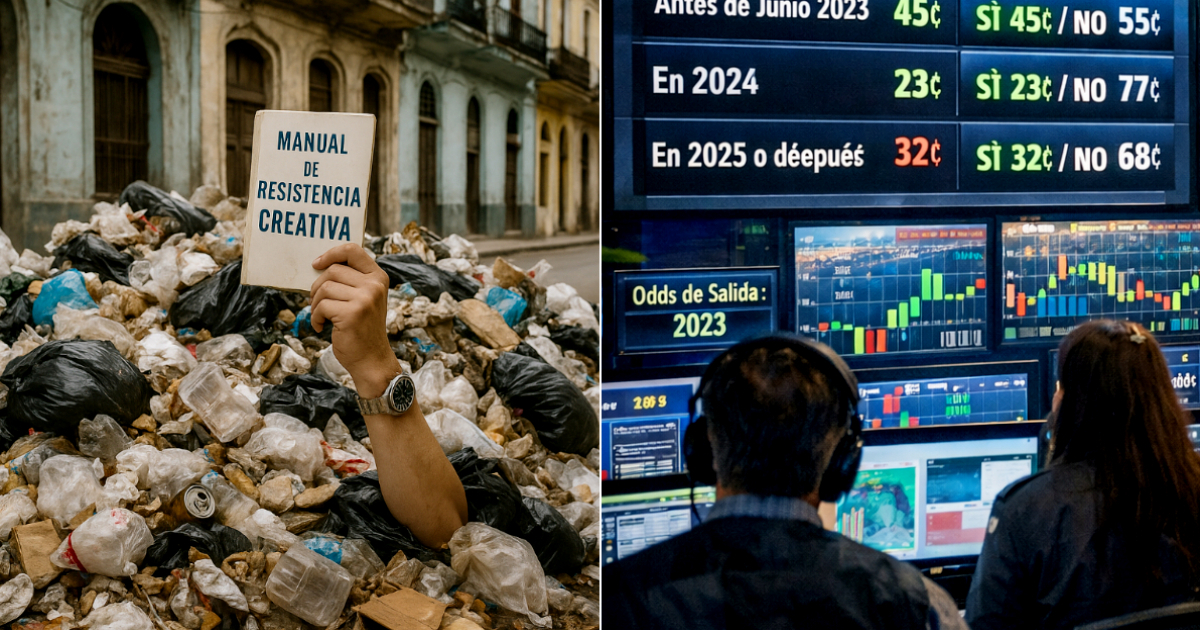
The indicator “World leaders out this year?” places the Cuban leader with a 52% chance of leaving office before the end of the year, surpassing Iran's supreme leader, Ali Khamenei (50%), and the Israeli prime minister, Benjamin Netanyahu (46%).
The trading volume in this market exceeds 4.6 million dollars, reflecting the growing international interest in potential changes in power on a global scale.
The progress of Díaz-Canel on these platforms does not surprise analysts. In recent weeks, expectations for an early departure of the Cuban leader have strengthened due to the collapse of oil supplies from Venezuela, following the capture of Nicolás Maduro on January 3, and the worsening of the energy crisis on the island, marked by prolonged blackouts, food shortages, and production paralysis.
The President of the United States, Donald Trump, has publicly urged Cuban authorities to “negotiate an exit before it's too late,” and sources in Washington claim that preliminary contacts with Havana already exist, although the regime is making efforts to deny it.
The extraordinary appearance of the leader on February 5th on National Television, during which he appeared extremely nervous while explaining the current situation on the island and his government's plans to address it, marked a turning point in the perception of the markets. The decline in bets on Khamenei also fueled those on the Cuban leader.
Unlike a traditional betting house, Kalshi operates as a regulated financial market, where the prices of contracts reflect the collective expectations of investors regarding verifiable events. Among its sources are media outlets such as Reuters, Bloomberg, The Washington Post, and CNN.
Díaz-Canel's leadership in this ranking confirms the growing perception of instability in Cuba and the real possibility of a political change before 2027, a scenario that currently dominates the conversation in international financial and diplomatic circles.
Filed under: