
Related videos:
Cuban-American congress members urged President Donald Trump to implement a policy of zero tolerance and maximum pressure against the regime in Cuba, believing that the power structure on the island is weaker than ever.
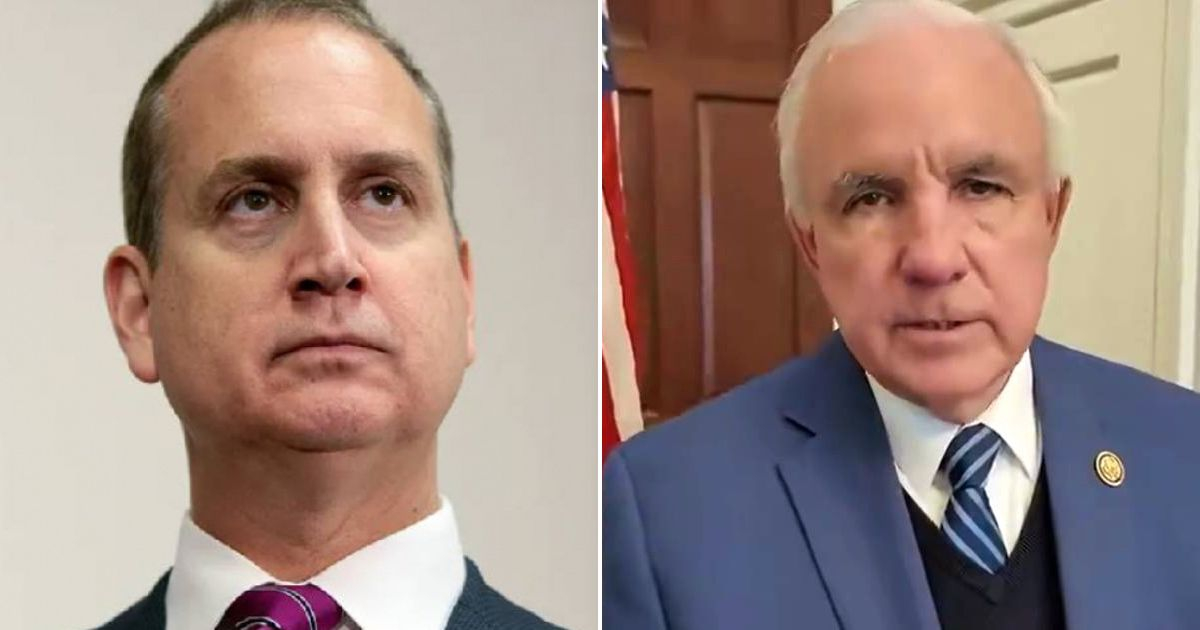
According to the American newspaper New York Post, Republican legislators Carlos Giménez and Mario Díaz-Balart urged the Trump administration to intensify economic, diplomatic, and political sanctions as a means to force regime change in Havana.
Both congressmen noted that the Cuban government is facing a deep crisis, exacerbated by the loss of oil support from Venezuela and the lack of external financial assistance, which has left the regime unable to sustain the economy or basic services.
Giménez stated that he had never seen the regime so weakened and emphasized that the strategy of pressure must be maintained and expanded, including actions against countries that support the Cuban Government through the supply of oil or other resources.
Díaz-Balart defended the need for total pressure on all fronts and stated that this has been the only effective way to confront dictatorships that refuse to relinquish power, dismissing the idea that direct military intervention is necessary in the Cuban case.
The note also includes warnings from experts, such as Sebastián Arcos from the Cuban Research Institute at Florida International University, who stated that the regime will try to deceive the United States through negotiations to buy time and prevent its collapse.
Arcos stated that, without Venezuelan oil, the Cuban economy will go from a prolonged crisis to a total collapse, and warned that the regime will seek minimal concessions to maintain power while the population continues to suffer the consequences.
The report indicates that Trump is considering promoting a regime change in Cuba before the year ends, and that his administration is weighing additional measures, including sanctions on countries that export oil to the island, in an effort to cut off the main sources of economic support for the Cuban government.
In this context, the role of Secretary of State Marco Rubio is mentioned in shaping the strategy towards Cuba and in the contacts with sectors of the exile community and internal actors of the regime to explore a transition scenario.
The article also emphasizes that, although Miguel Díaz-Canel formally holds the presidency, real power remains in the hands of Raúl Castro and the military apparatus, which controls the island's major businesses and could seek to negotiate an exit that preserves its interests.
Lawmakers agreed that the goal of the Trump administration should be to allow Cuba to regain its freedom after decades of authoritarian rule, letting the regime collapse under the weight of international pressure and avoiding direct military intervention.
Filed under: