
Related videos:
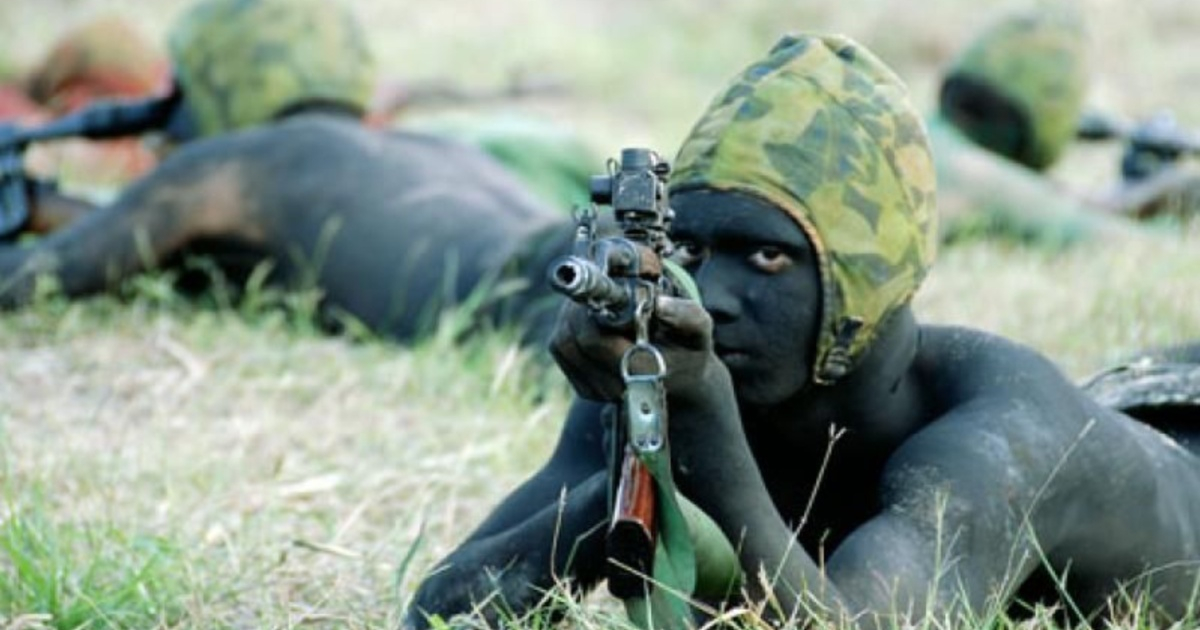
The Central Army of Cuba, part of the Revolutionary Armed Forces (FAR), shared a message on Facebook stating that “the words surrender and defeat” are “completely erased” from their “military terminology.”
In the post, it asserts that a potential surrender “would be the greatest catastrophe in history,” from which the country “would never recover.”
The text, presented as "Philosophy of Struggle of the People of Cuba," emphasizes that "no revolutionary should surrender to the enemy" and that, if necessary, he will continue fighting "until death."
It also asserts that each fighter must accept, even if isolated, that “I am the Revolution” and continue the struggle “without waiting for guidance from others.”
The message adds that "it is better to die than to be captured" and rejects the possibility of a ceasefire if it means surrendering: "the order for a ceasefire will never be given if it involves capitulating to the enemy."
The publication also includes militaristic lines about objectives in the event of a conflict: “we will have to defend every inch of our homeland” and “causing the greatest number of enemy casualties in terms of combatants is our primary objective.”
In the closing, the Central Army calls to “maintain the fighting spirit,” even with “gigantic and painful” sacrifices, and asserts that “the final victory will be ours,” “no matter how difficult the circumstances” in which the struggle unfolds.
Armed Forces intensify their combat rhetoric
Since the beginning of 2026, the militaristic rhetoric of the Cuban regime has intensified, demonstrating a persistent willingness to engage in combat against alleged external threats.
In January, the Ministry of the Revolutionary Armed Forces (MINFAR) stated that the country was prepared to "fight to the death for socialism," following the approval of the state of war led by Raúl Castro.
The statement, framed within Defense Day, emphasized the idea that each citizen should prepare to confront a potential aggression, under the doctrine of the "war of the whole people."
A few days later, MINFAR itself published a video of maneuvers using old motorcycles as a demonstration of its “combat readiness.”
The images, shared on social media and state television, sparked ridicule among citizens, who pointed out the contrast between the official narrative of strength and the evident deterioration of the military equipment.
Despite the visible hardships, Miguel Díaz-Canel insisted on the importance of cohesion and ideological unity, presenting the exercises as a symbol of resistance against the United States.
Filed under: