
Related videos:
Cuban patients dependent on hemodialysis and their families have reported that the halt of medical transportation due to fuel shortages, coupled with electrical instability and a lack of medical supplies, is putting the lives of individuals with chronic kidney failure at risk on the Island, according to a report by Martí Noticias and testimonies gathered by CubaNet.
Despite the authorities announcing restrictive measures due to the energy crisis and assuring that essential services would not be affected, interviewees cited in the report by Martí Noticias assert that the reality on the ground is different.
Dr. Abel Molina, whose wife —also a doctor, Elaine Hernández— has required hemodialysis for the past year, stated that the taxis transporting these patients "have no fuel, they are stationary," and that many must arrive "by their own means," while other "non-prioritized" vehicles continue to circulate.
He also said that "they continue to sell gasoline in dollars" and that "the government cars are still on the road."
Molina also stated that, despite the official claim that "everything was secured," they have faced shortages: "That's a lie, there aren't enough supplies or healthcare personnel," he declared, and recounted that on that Friday he had to pay for transportation at a rate of 2,000 pesos per trip and that the hemodialysis sessions were being conducted "every other day."
The text states that, according to official data, approximately 3,000 patients with chronic kidney failure are at high risk due to the impact of power outages and a shortage of sanitary materials.
CubaNet also reported messages attributed to a doctor from the "Dr. Abelardo Buch López" Nephrology Institute in Havana, sent in a WhatsApp group, where it is suggested as an alternative to authorize the admission of patients when their drivers are unable to ensure their transportation.
“Patients whose drivers cannot provide transportation coverage have the alternative of being granted admission by the center,” states the message, whose identity is reserved “to avoid reprisals.”
Regarding that option, Dr. Luisa Ilizástegui, a resident of Santiago de Cuba, warned that prolonged hospitalization increases risks: the longer the stay in the hospital, the greater the likelihood of infections, in a context where —as she stated— there is a shortage of materials such as gauze or supplies for sterilizing instruments.
Molina added other deficiencies associated with treatment, such as the lack of capillaries (filters), difficulties with iron for patients, and problems with transfusions due to a shortage of blood, in addition to pointing out that many medications and supplies would need to be obtained "on the street."
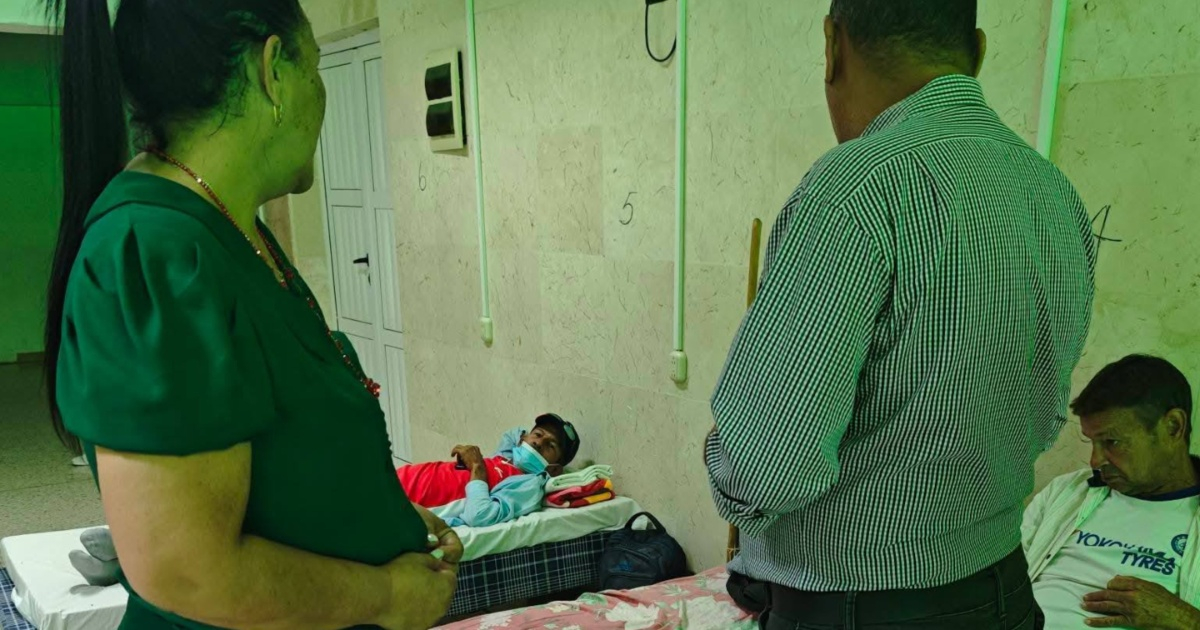
Meanwhile, in Granma province, local authorities stated that they have implemented a measure to admit nephrotic patients due to the fuel shortage and the inability to transfer them with the usual frequency, aiming to ensure that treatment is provided "in a timely manner," according to a publication from CNC TV Granma.
Filed under: