
Related videos:
The energy and fuel crisis in Cuba is no longer just a statistic; it translates into closed operating rooms and hospital services functioning in survival mode.
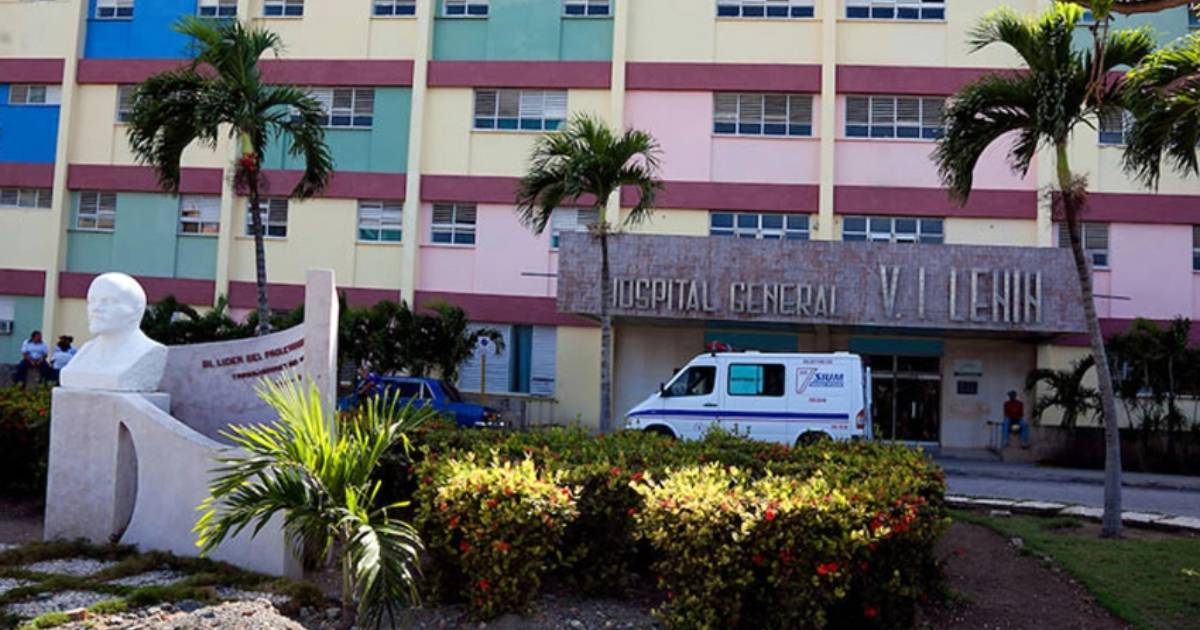
In Holguín, the General Health Directorate announced the immediate suspension of all elective surgical activity, an extreme decision that puts thousands of non-urgent procedures on hold and confirms the extent to which the healthcare system is currently operating under extreme conditions.
According to a report on Radio Holguín la Nueva, the authorities describe the situation as "extremely complex," with severe restrictions on electricity and transportation necessitating a profound reorganization of services.
From now on, only emergency and urgent surgeries will be maintained, along with specific cases that threaten the patient's life. In other words, access to scheduled procedures is frozen for an indefinite period.
The measure is accompanied by a strict prioritization of resources.
All patients undergoing hemodialysis will be guaranteed admission and treatment at the five provincial centers, starting with those living in hard-to-reach areas to ensure continuity of care.
Pregnant women are also specially protected: 100% of expectant mothers are admitted to the hospital starting at 37 weeks' gestation; in areas with unfavorable geographical conditions, this begins at 34 weeks, and in Sagua de Tánamo, at 32 weeks.
Additionally, mandatory hospitalization is required until the puerperium for pregnant adolescents beyond 26 weeks and for any pregnant woman with that duration of gestation who has risk factors such as gestational hypertension or intrauterine growth restriction.
To conserve the limited fuel available, the community outreach efforts of health teams to other municipalities are temporarily suspended, and activities will be limited to each territory.
Simultaneously, it is instructed to increase the use of natural and traditional medicine as a therapeutic alternative in light of the limitations.
Until when will the "targeted" measures last?
The authorities present these decisions as "necessary and temporary," aimed at not sacrificing support for the most vulnerable groups.
Behind the administrative language lies a harsh reality: hospitals that cannot guarantee scheduled surgeries due to a lack of electricity, transportation, and fuel.
It is not a one-time contingency, but rather the result of years of poor management, disinvestment, and lack of transparency.
The government retains its ability to control, but has lost - due to its own inefficiency - the capacity to protect daily life. Today, security is enforced as coercion, while human security - energy, health, transportation - evaporates.
In practice, the suspension of elective surgeries in Holguín is the clearest indication of a healthcare system operating in a state of permanent emergency.
A paralyzed country
When a state is unable to sustain the basics—electricity to operate, fuel to move ambulances, supplies for treatment—the legitimacy based on performance runs out.
The government itself acknowledged a set of measures days ago due to fuel shortages, prioritizing "essential services" such as health, water, and food production, and announced direct restrictions for the population, including adjustments to fuel sales to the public.
In transportation, fewer departures of national buses are expected, along with the suspension of waiting lists and specific services for health personnel in Havana.
Everything confirms a country managed through constant emergencies, lacking stable operational capacity.
The deterioration cannot be explained solely by external factors. Structural opacity, the lack of accountability, and the capture of the economy by business-military elites have diminished the State's capacity to convert income into public goods.
The population does not see structural solutions, only cuts and delays.
Production is at a minimum, services operate with makeshift solutions, and the energy crisis—characterized by power outages of up to twenty hours—undermines production, services, and daily life simultaneously.
In this context, the suspension of elective surgeries in Holguín is not an exception; it is a symptom of a functional collapse. The government is in charge, but it can no longer guarantee.
And when a country reaches the point where health depends on how much sunlight there is each day, the responsibility lies not with the circumstances, but with a management that allowed things to come to this.
Filed under: