
Related videos:
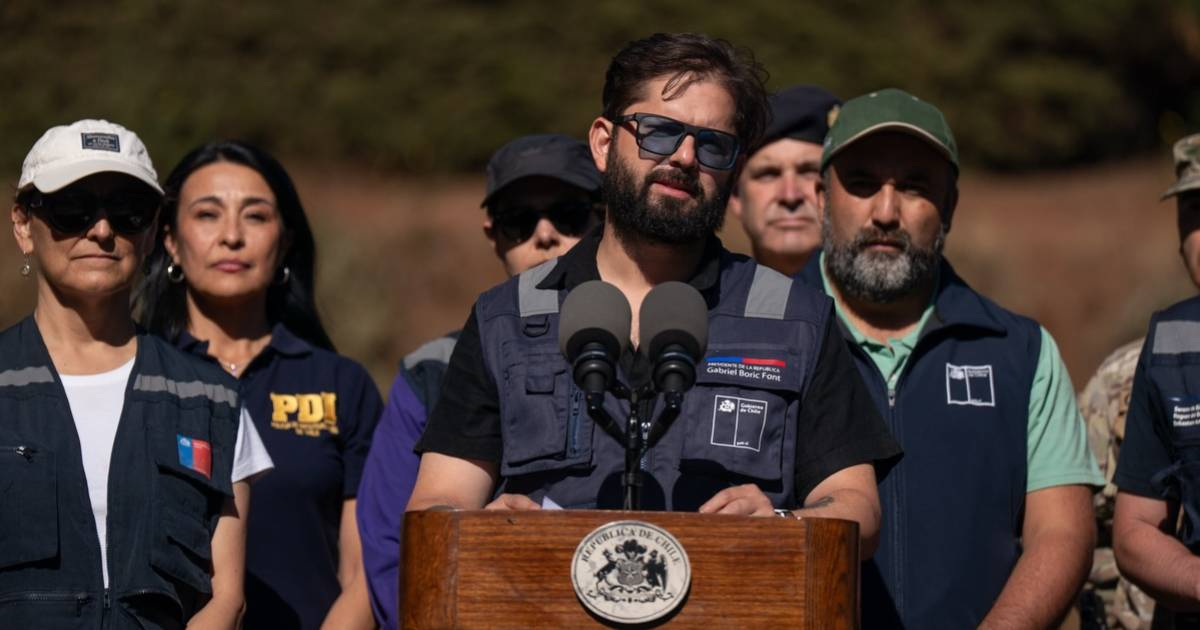
The president of Chile, Gabriel Boric, has once again brought Cuba to the forefront of regional political debate by labeling the U.S. embargo as "criminal" and announcing the sending of humanitarian aid to the island amid the deep energy crisis affecting millions of Cubans.
"The blockade that the United States has imposed on Cuba and which has been exacerbated in recent weeks is criminal and an assault on the human rights of an entire people," wrote the president on his official account on X. While he acknowledged that there may be political differences with Havana, he maintained that "nothing justifies the harm being done to children and innocent citizens."
The announcement was not just words. Through the Chile Fund Against Hunger and Poverty, the Chilean government will channel a contribution to UNICEF alongside other Latin American countries. The aid will be managed by United Nations agencies, as explained by Foreign Minister Alberto van Klaveren, who described the situation in Cuba as a "humanitarian drama."
The decision comes at a particularly delicate moment for the island, following new pressure measures from Washington that have worsened blackouts and fuel shortages. Cuban families have been facing prolonged power cuts, a lack of food, and a growing deterioration of basic services for months.
However, Boric's gesture unleashed a political storm.
From the United States, Cuban-American Congressman Carlos A. Giménez accused the Chilean leader of supporting “the military dictatorship in Cuba” and warned that Chile “will face the consequences” of this stance.
On social media, analyst Agustín Antonetti stated that “the main cause of misery and poverty in Cuba is the dictatorship of the Castro regime itself” and questioned the discussion of an embargo while —according to him— the high-ranking officials of the regime live in privilege.
Criticism also arose within Chile. Deputy Johannes Kaiser stated that the aid "does not benefit Cuba, but rather the tyranny that controls it." Other users questioned why resources are being allocated to foreign aid while there are social needs within Chilean territory.
From the Cuban exile and accounts associated with citizens inside the island, the debate became even more visceral. Some criticized that any assistance would ultimately strengthen the Cuban government. "We Cubans want to end the dictatorship," wrote one user, while another ironically compared the aid to "keeping a bad restaurant afloat without customers."
Supportive voices were not lacking. Some defended Chile's tradition of solidarity and recalled that Cuban medical brigades arrived after the 2010 earthquake. Others insisted that humanitarian aid does not equate to political backing.
The Chilean government itself attempted to emphasize that line. The Minister of the Interior, Álvaro Elizalde, stressed that the support is based on humanitarian conviction and not ideological pressures. Spokesperson Camila Vallejo insisted that the assistance will be strictly humanitarian and does not imply endorsement of the Cuban government.
The controversy has an additional backdrop: Boric has been one of the few leftist presidents in Latin America to openly label Cuba a dictatorship. In January, he stated that there is no democracy on the island and held the regime responsible for the internal crisis, which earned him criticism from Cuban Foreign Minister Bruno Rodríguez, who accused him of "political opportunism."
This history causes his new statement to be interpreted from opposing perspectives. For some, it is consistent to criticize both the Cuban regime and the U.S. embargo. For others, any external assistance, even if managed by international organizations, ultimately relieves pressure on the power in Havana.
Meanwhile, in Cuba, reality continues to be marked by blackouts, uncontrolled inflation, and an unceasing wave of emigration. For many families, the geopolitical debate matters less than an urgent, everyday question: will there be electricity tonight, will the money be enough for food, will they ever be able to live without having to leave?
Filed under: