
Related videos:
The Chilean government is considering the possibility of sending humanitarian aid to Cuba, amidst the serious energy crisis and supply shortages the island is experiencing, worsened by restrictions on fuel supply and shortages of medicines and basic supplies.
The debate arose after Senator Daniel Núñez, from the Communist Party (PC), publicly urged La Moneda to take action in support of the Cuban people, according to the media outlet BioBioChile.
Through his account on X, the legislator recalled the Cuban solidarity following the earthquake and tsunami that affected Chile in 2010.
"When the earthquake and tsunami struck in 2010, Cuba set up a field hospital and a medical brigade. Now that people in Cuba can die due to the blockade and the lack of medicines and basic supplies, it is time for Chile to extend a helping hand and send humanitarian aid," Núñez wrote.
Camila Vallejo: "It is under evaluation."
When consulted about this possibility on ADN radio, the Government spokesperson, Camila Vallejo, stated that the matter is being analyzed and that Chile maintains a permanent willingness to provide assistance when populations are affected by humanitarian crises.
"The government has always been willing to assist, for humanitarian reasons, nations that have needed help due to war situations, invasions, or even in this case, economic blockades," Vallejo stated.
According to Cooperativa, the spokesperson emphasized that such measures are not automatic and require both technical and political evaluation.
"And in that, there is always an assessment... we are in that process based on the available resources and specific needs," he added.
Support from the ruling party and criticism from the opposition
The proposal has generated divided reactions in the Chilean political landscape. From the Socialist Party, Deputy Nelson Venegas stated that he sees no reasons to dismiss the assistance.
"I don't see why it shouldn't be done; they're trying to starve people," he declared.
In contrast, the Independent Democratic Union (UDI) expressed its rejection, arguing that Chile is facing resource limitations and that sending assistance could be interpreted as support for the Cuban dictatorship.
An open decision
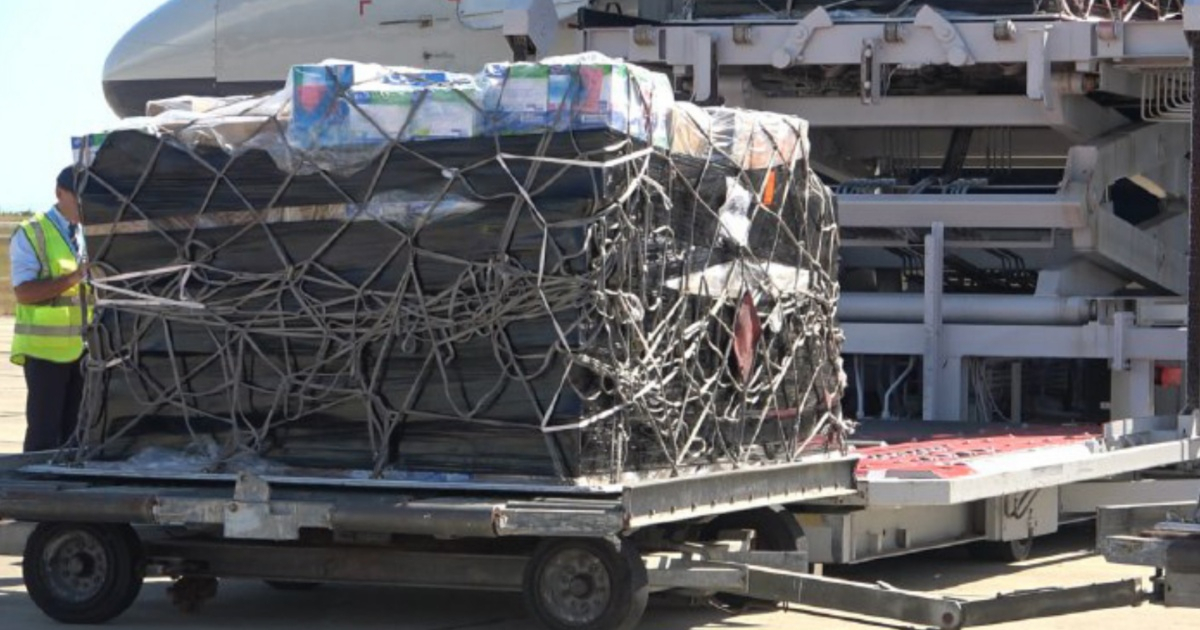
Vallejo also valued that other countries have already taken similar initiatives, mentioning the recent shipments of humanitarian aid from Mexico to Havana.
However, he emphasized that Chile has not yet defined a concrete course of action. "We are in the process of evaluating," he insisted.
The discussion takes place at a politically sensitive moment for the government of Gabriel Boric, as the request comes directly from the Communist Party—of which Vallejo is a member—and occurs amid internal tensions due to criticisms of the Executive's foreign policy.
For now, the definition remains open and will depend on the official assessment of the situation in Cuba, Chile's budgetary capabilities, and the type of aid that could eventually be sent.
Filed under: