
Related videos:
The National Assembly of Venezuela unanimously approved on Thursday, a law for amnesty for political prisoners convicted during episodes of political crisis between 2002 and 2025, which excludes individuals who promoted or participated in armed actions or force against citizens, the sovereignty, and the integrity of the country, according to EFE.
Article 9 of the new legislation excludes from the application of amnesty crimes involving serious human rights violations, crimes against humanity, intentional homicide, severe injuries, drug trafficking, and offenses outlined in the anti-corruption laws.
Also excluded are those who are or may be prosecuted or convicted for "promoting, instigating, soliciting, invoking, favoring, facilitating, financing, or participating in armed actions or force against the people, sovereignty, and territorial integrity" of Venezuela by "foreign states, corporations, or individuals."
The amnesty covers events or “offenses committed” during various episodes of political crisis, such as the coup against the late President Hugo Chávez in April 2002, the oil strike at the end of that year and the beginning of 2003, as well as the anti-government protests of 2013, 2017, and 2024.
The Parliament designated a special committee that will develop and implement mechanisms to ensure compliance with the law, which was sent to the acting president, Delcy Rodríguez, for her signature and subsequent publication in the Official Gazette.
During the debate, the president of the National Assembly acknowledged the improper use of the Law Against Hate and considered the possibility of reforming it.
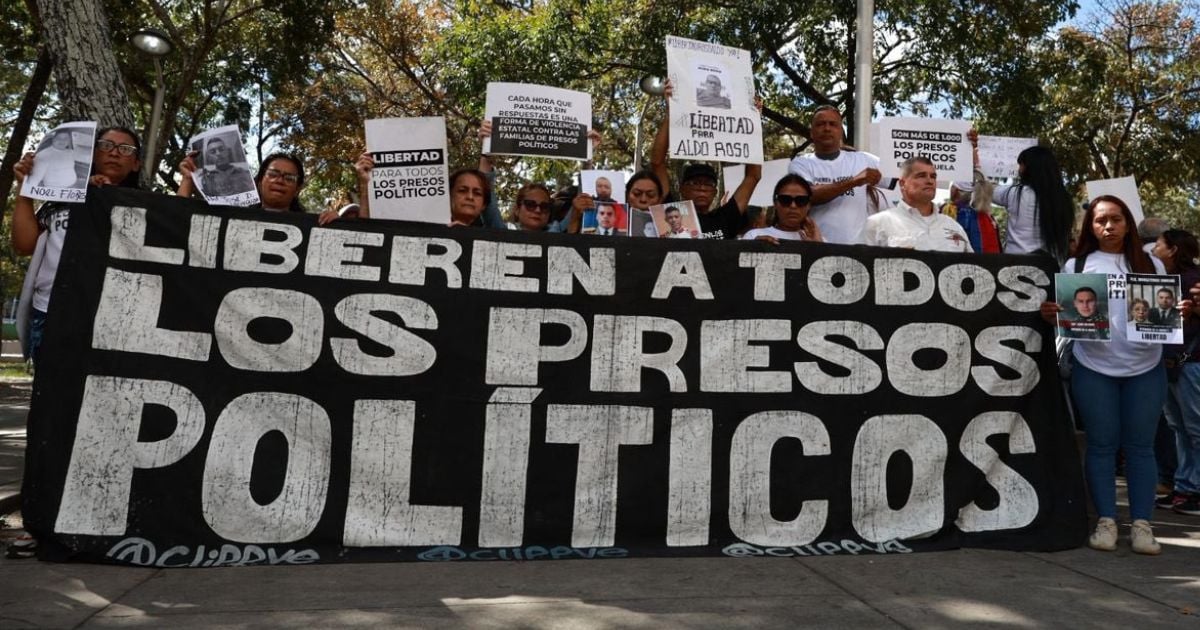
For their part, activists, NGOs, and families of political prisoners have warned that the project is "exclusive," as it limits the periods and crimes covered, and they assert that its approval without modifications would leave hundreds of people incarcerated.
According to the NGO Foro Penal, there are currently 644 political prisoners in the country, following more than 400 releases during a process initiated by the interim government on January 8.
Filed under: