
Related videos:
Cuba will expand and strengthen its national weather observation network with the aim of improving the quality and accuracy of weather forecasts, especially concerning extreme meteorological phenomena such as hurricanes.
The information was published by the United Nations Development Programme (UNDP) in Cuba, which detailed that the initiative is supported by the UN's specialized fund Systematic Observations Financing Facility (SOFF).
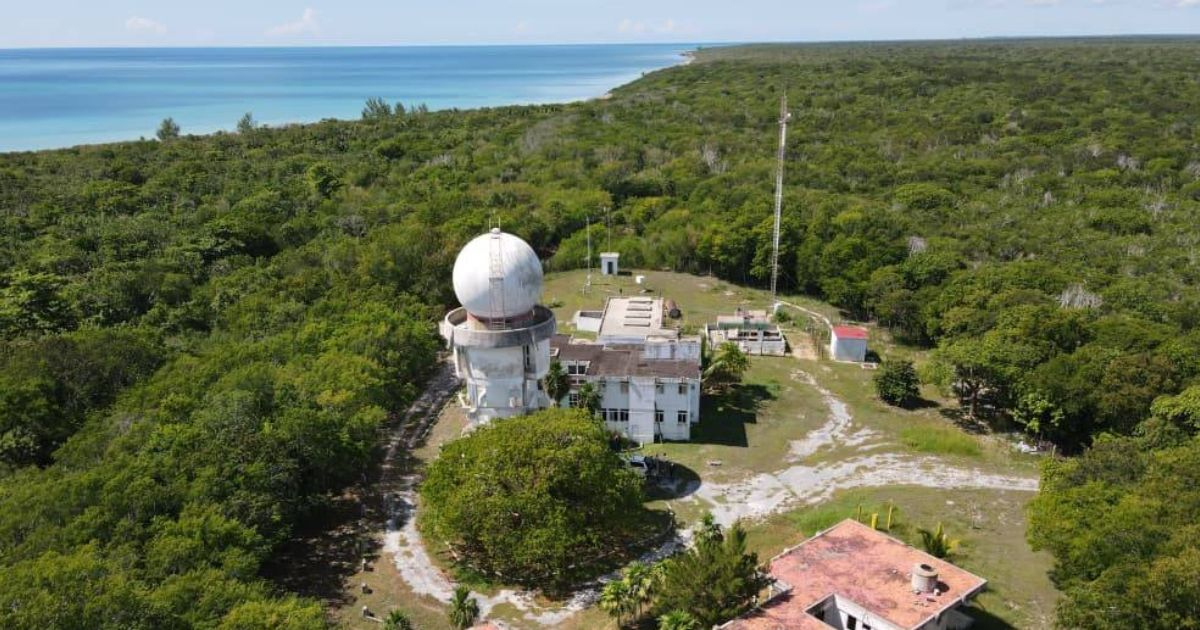
As part of the project, a new surface meteorological station and two radiosonde stations will be installed, in addition to modernizing and upgrading eight existing stations in the country.
According to the UNDP, these technologies will provide more reliable data, which is essential for preparedness and decision-making in response to the impacts of extreme weather events.
The plan also includes strengthening national calibration capacities, which will allow for the verification and adjustment of instruments to ensure precise and reliable measurements. This technical capability could be made available to other countries in the Caribbean.
The improvements will enhance the generation of hurricane forecasts and optimize actions for anticipation and response to severe events, with the aim of reducing risks and protecting lives and property.
The project will be implemented by the Institute of Meteorology of Cuba, with technical support from the State Meteorological Agency (AEMET) of Spain, and execution carried out by the UNDP on the island.
The SOFF is a specialized United Nations fund aimed at strengthening the technical capacities of meteorological observation systems in vulnerable countries, in order to ensure access to reliable data that improves early warning systems for extreme weather events.
In addition to Cuba, countries such as Zambia, Bangladesh, Guyana, and the Democratic Republic of the Congo will receive support from this mechanism to strengthen global meteorological and climate observation systems.
Filed under: