
Related videos:
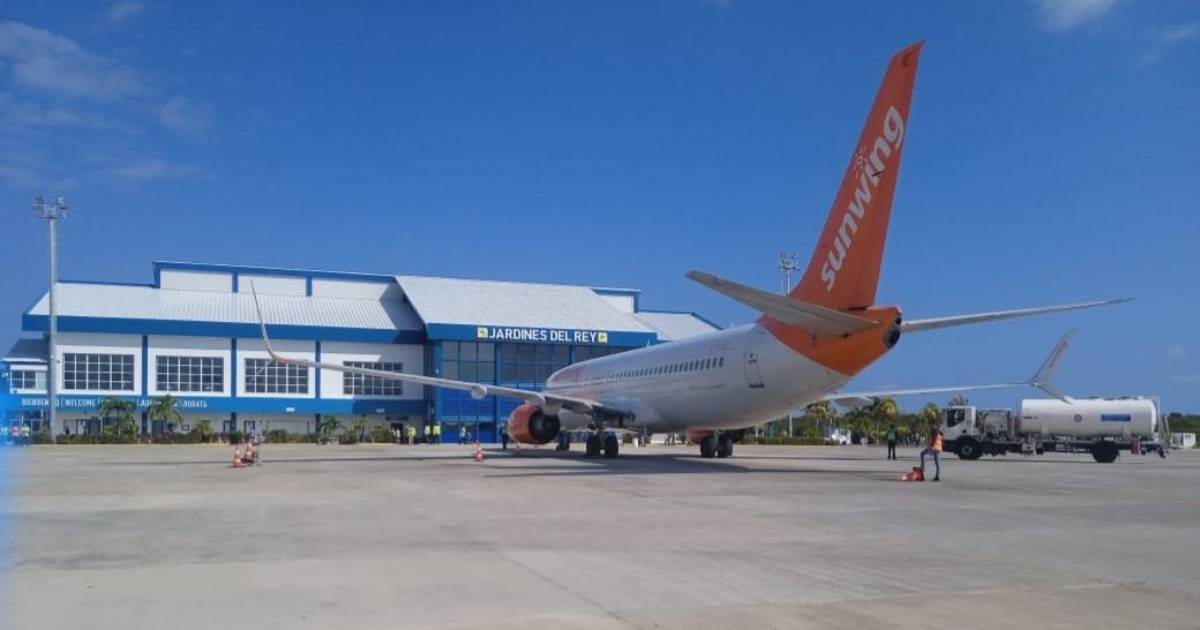
Cuba's international airports will continue to be without fuel for airplanes at least until April 10, according to an official notice issued by the island's aviation authorities.
The information was reported by the agency EFE, which stated that the Notam message, directed to pilots and air traffic controllers, confirms that the Jet A1 kerosene shortage affects all international terminals in the country and will remain in effect for an additional month.
The coded notice indicates "JET A1 FUEL NOT AVBL" and is recorded in the database of the Federal Aviation Administration (FAA) of the United States.
The notification applies to the main airports in the country, including José Martí International Airport in Havana, Juan Gualberto Gómez Airport in Varadero, Abel Santamaría Airport in Santa Clara, Ignacio Agramonte Airport in Camagüey, Frank País Airport in Holguín, and Antonio Maceo Airport in Santiago de Cuba, among others.
The fuel shortage had already been announced on February 10 and resulted in the temporary cancellation of flights by Canadian and Russian airlines.
Other companies, such as those from Spain, Mexico, and Panama, chose to make technical stops to refuel in third countries or to reduce frequencies.
The impact of the scarcity represents a new obstacle for the Cuban tourism sector, one of the main sources of foreign currency for the island, which is experiencing a sustained decline in the arrival of visitors.
According to EFE, the extension of the notice comes amid the energy pressure facing the country following the interruption of Venezuelan oil supplies and warnings from U.S. President Donald Trump regarding potential sanctions on countries that send crude oil to Cuba.
The island produces approximately one third of its energy needs and relies on imports to cover the rest, in a context of severe financial and operational constraints.
Filed under: