
Related videos:
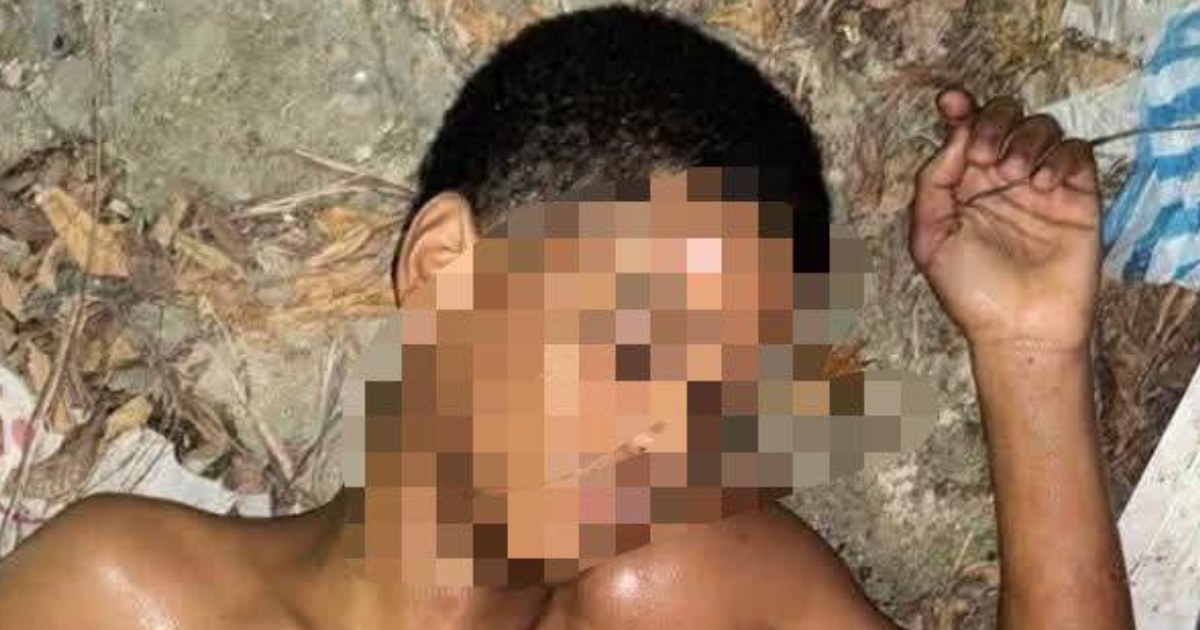
In Santiago de Cuba, a 16-year-old teenager was the victim of a brutal beating after being accused of theft, an incident that has sparked debate over the limits of citizen responses to crime.
The activist Idelisa Diasniurka Salcedo Verdecia reported on Facebook: "A 16-year-old boy was brutally beaten in Santiago de Cuba for allegedly stealing. Regardless of what happened, nothing justifies violence against a minor."
Diasniurka emphasized that the response to young people in extreme situations cannot be violence.
"A teenager needs protection, guidance, and justice, not blows or public humiliation," he stated, emphasizing that a minor should be treated with care, even if their actions are wrong.
He also pointed out that this type of episode reflects a deeper social crisis: "It is another example of the social collapse that Cuba is experiencing, where the most vulnerable, our children and youth, end up bearing the consequences."
He emphasized that there are alternatives to discipline and educate without resorting to brutality, reminding that violence can never become a normalized tool.
An increasingly widespread practice
In Cuba, the age of majority is reached at 18 years old, but citizens are criminally responsible starting at 16 years old.
The beating of this boy in Santiago de Cuba occurs in a context of increasing insecurity in the country, where communities, tired of the authorities' inaction, resort to methods of popular justice.
In multiple locations, there have been reports of individuals being tied up or publicly humiliated after being accused of theft, reflecting a lack of confidence in the police's ability to protect the population and ensure safety.
The economic crisis, characterized by food shortages, prolonged blackouts, and insufficient wages, is contributing to the rise in crime.
Residents have reported that the streets have become hostile spaces, with frequent thefts and assaults, while the police focus more on monitoring opponents and journalists than on protecting citizens.
Experts indicate that violence against individuals suspected of committing crimes is a symptom of the state's inability to ensure basic security.
Citizens, lacking trust in institutions, choose to defend themselves collectively, even if this involves resorting to violent or illegal methods, creating a cycle of fear and retaliation.
Incidents like that of the beaten teenager reflect a troubling pattern: improvised justice has become a common resource for those who feel that their rights and property are not protected.
The scarcity of resources and social pressure have turned violence into a means of conflict resolution. Diasniurka stressed that there are many ways to discipline without resorting to physical punishment, and she called for minors to receive guidance and opportunities, not humiliation or corporal punishment.
Her report highlights how the economic and social crisis in Cuba directly impacts minors, who are the most vulnerable to violence and insecurity. The activist emphasized that the protection of children must be a priority, and that violence is never justifiable, regardless of the circumstances.
Filed under: