
Related videos:
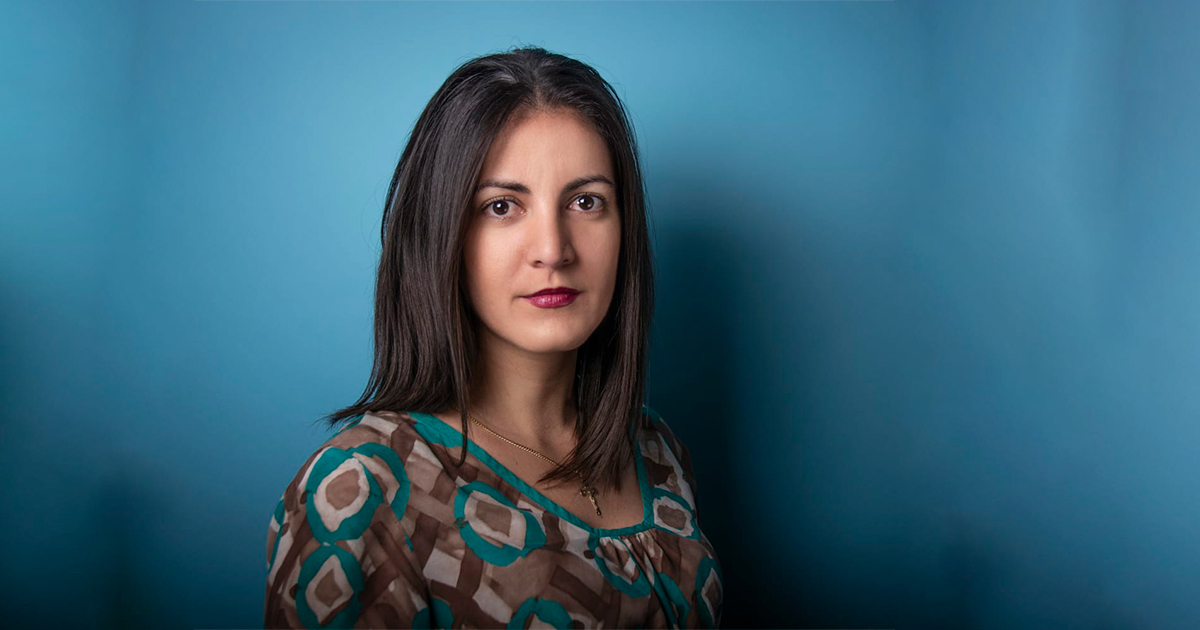
Rosa María Payá, president of Pasos de Cambio and commissioner of the CIDH, stated that "the Berlin Wall of our times can also fall in Cuba" in an interview published by El Mundo last Monday, the same day she signed the so-called "Liberation Agreement" in Miami alongside the Assembly of the Cuban Resistance (ARC) and other opposition organizations.
The agreement, signed alongside Orlando Gutiérrez-Boronat, leader of the ARC, and symbolically deposited before the Virgin of Charity of El Cobre, proposes a structured transition plan in three phases: liberation, stabilization, and democratization. The first phase entails the end of the current political system and the immediate release of more than 1,000 political prisoners; the second involves a plural provisional government to address the humanitarian emergency; and the third consists of free, multi-party general elections, supervised internationally.
The text of the agreement itself demands "the dismantling of the criminal enterprise that is the Communist Party of Cuba, as well as the dismantling of all its repressive organizational mechanisms." Payá was adamant during the signing event: "Today we are promoting the democratic alternative to the barbarity that governs our country. Today we know that the only way out of the crisis is the end of the dictatorship. And it is urgent, because the human suffering of our families [...] is brutal."
The metaphor of the Berlin Wall is not new in Payá's discourse. In October 2021, before the European Parliament, she stated: "The Cuban regime is the Berlin Wall of our hemisphere and at this moment we have the opportunity to push, to bring down that wall and move towards democracy." In December of that same year, at the Summit for Democracy convened by Biden, she added that "its fall depends on the democratic stability of the region."
The statements come at a time of acute crisis in Cuba. According to the organization Prisoner Defenders, the country is experiencing a historic record of 1,207 political prisoners at the beginning of 2026, amid an economic collapse with minimum wages of 17 dollars a month and widespread blackouts. The loss of Venezuelan subsidies, following the capture of Nicolás Maduro, has further worsened the regime's situation.
Payá, daughter of the dissident Oswaldo Payá Sardiñas —founder of the Movimiento Cristiano Liberación and promoter of the Varela Project, which gathered more than 35,000 signatures in 2002 to demand democratic reforms—continues her father's legacy from exile in Miami. In June 2023, the Inter-American Commission on Human Rights (CIDH), of which she is now a commissioner, formally held the Cuban government responsible for the death of Oswaldo Payá on July 22, 2012.
The Liberation Agreement represents the most articulated effort to date to unify the Cuban opposition around a concrete transition plan. Just weeks earlier, in February, Payá had presented in Miami together with Congressman Carlos Giménez a common strategy of democratic forces, with a message that he summarized in a few words: "We are ready for change."
Filed under: