
Related videos:
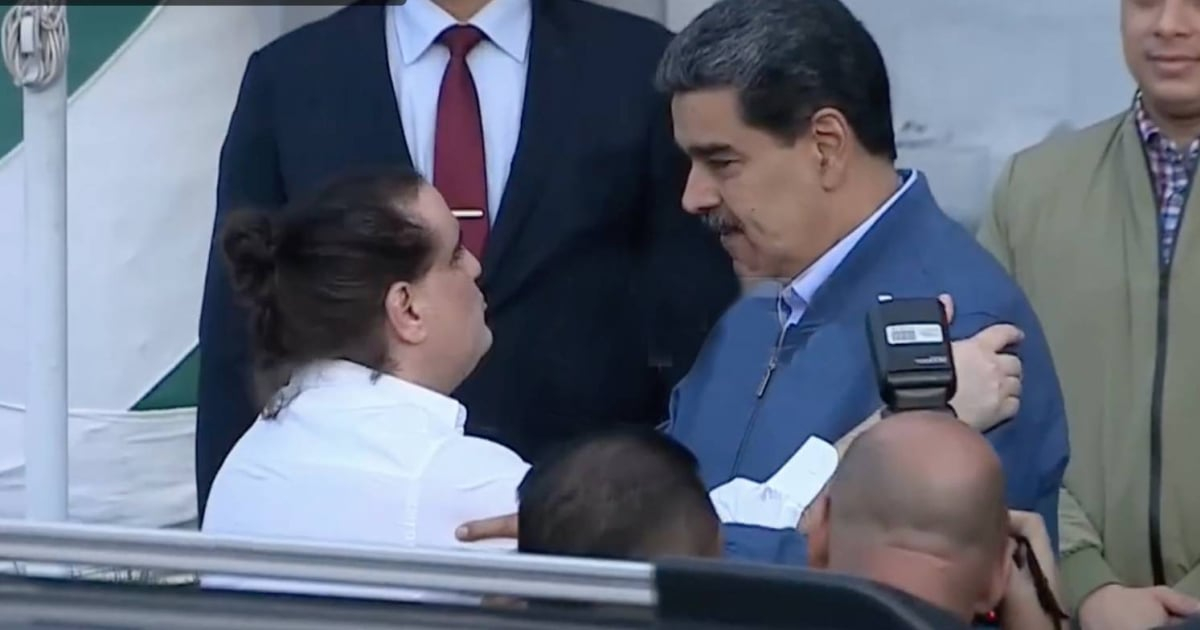
Alex Saab, a Colombian businessman and close financial collaborator of Nicolás Maduro, is likely to be extradited to the United States soon, amid intense negotiations between U.S. officials and the interim government of Venezuela led by Delcy Rodríguez, according to sources familiar with the discussions cited in a report by El Miami Herald.
According to that information, the potential extradition of Saab to U.S. authorities has become a central element of a broader package of discussions between Washington and Caracas, with direct implications for the fragile political transition in Venezuela and for the open criminal cases in New York against Maduro and his wife, Cilia Flores.
The sources, who spoke on condition of anonymity, assert that sufficient progress has been made for the extradition of the businessman to become increasingly likely.
If it goes through, it would be Saab's second extradition to the United States. The businessman had already spent more than two years in U.S. custody after being extradited from Cape Verde to Miami in 2021, in a case where prosecutors accused him of orchestrating a money laundering scheme of 350 million dollars linked to contracts with the Venezuelan government.
That process concluded in December 2023, when then-President Joe Biden granted him a pardon as part of a prisoner exchange agreement with the Maduro regime.
However, U.S. authorities have kept other investigations related to Saab open, particularly those linked to the Venezuelan subsidized food program CLAP.
According to the cited information, the prosecution has accused him for some time of creating a network of shell companies and intermediaries that overcharged for imported food to the Venezuelan state, generating enormous profits for members of the regime.
Interest in Saab
The value of Saab for Washington would not solely lie in bringing him back to justice, but also in the knowledge he possesses about the financial architecture of chavismo.
One of the sources cited by the report stated that the United States needs it because it has "crucial information" regarding Maduro's financial operations and could provide evidence for drug trafficking cases.
According to that version, Saab managed the money and would be in a position to detail how the funds were moved through the international financial system and how those resources might have financed criminal activities.
Sources add that U.S. investigators believe Saab may provide detailed information about the financial networks used by Maduro's inner circle, including accounts, intermediaries, and international business agreements that allowed billions of dollars to be moved through global banking systems.
That eventual testimony could take on special relevance as prosecutors prepare their case against Maduro and Flores, who are accused by U.S. authorities of participating in a long-standing drug terrorism conspiracy alongside Venezuelan military and political leaders.
The report situates these negotiations within the new political landscape in Venezuela that emerged following Maduro's capture on January 3 during a U.S. military operation, described by Washington as the outcome of a years-long criminal investigation into alleged narcoterrorist activities.
Following that event, high-ranking officials from the ruling coalition and the National Assembly appointed Delcy Rodríguez as interim president in an attempt to preserve institutional continuity while negotiations with the United States and other international actors progressed.
Since then, Rodríguez's interim government has had to navigate between Washington's pressure to cooperate on issues of corruption and crime, and the demands of powerful figures within the Venezuelan military and security apparatus, who are wary of the new political balance.
In that context, Saab's future became part of a broader negotiation in which the United States seeks concrete signs of collaboration to dismantle criminal structures associated with the former regime.
Concessions from the U.S.
The extradition of Saab is described as a potential bargaining chip. One source told the Herald that "the regime made it clear that they would be willing to hand over Saab if the United States granted certain concessions."
Another name that has come up in discussions is Raúl Gorrín, a media entrepreneur and owner of Globovisión, who is also sought by U.S. authorities for an alleged scheme involving the diversion of over one billion dollars from PDVSA and money laundering through U.S. banks and purchases of luxury real estate.
According to people familiar with the process, his extradition has encountered resistance from powerful figures within the Venezuelan government, including Diosdado Cabello.
The article adds that Cabello allegedly tried to use his influence within the security apparatus to sway the outcome of the discussions, including pressuring others to weigh in on who would replace him in key positions and to secure assurances that opposition leader María Corina Machado would not be able to return to Venezuela.
Filed under: