
Related videos:
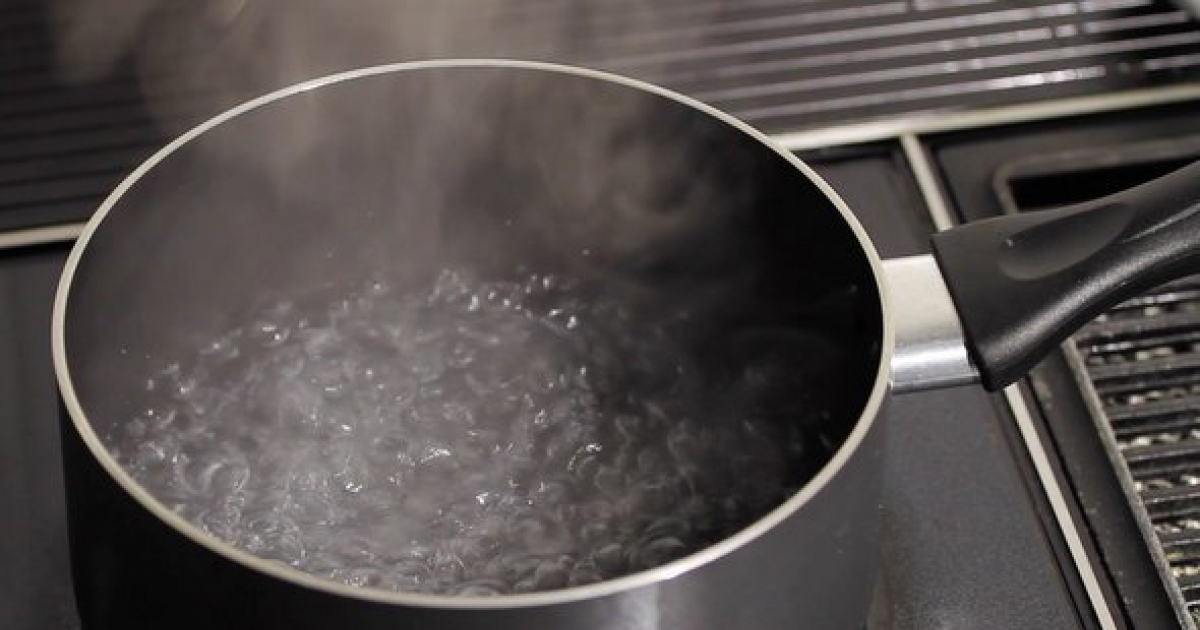
Health authorities in Matanzas requested that the population boil and chlorinate water in light of isolated reports of hepatitis cases, amidst a complex situation marked by prolonged blackouts and disruptions in various supply systems in the area.
The warning was issued this Saturday by the Provincial Government of the People's Power in Matanzas in an update on the status of basic services in the province.
"Against this backdrop, health authorities are urging, in light of isolated reports of hepatitis cases, to boil and chlorinate water," the text shared on Facebook by the Provincial Government states.
The call comes in the context of an energy crisis that has worsened the water supply in various areas of Matanzas. According to official information, following the collapse of the national system, power outages have reached about 70 hours in most circuits, while several localities continue to lack sufficient energy to operate the water pumps.
The director of the Water Supply and Sewerage Company, Guillermo Cue Lugo, reported that the main water supply systems of the cities of Matanzas and Cárdenas began to pump once their circuits were energized.
However, the most significant impacts due to water shortages continue to be in the neighborhood of Los Mangos and Matanzas Oeste, as well as in San Antonio de Cabezas, Jovellanos, Pedro Betancourt, and other municipalities that still do not have electricity to power the pumping equipment.
The health warning appears within a broader report on the tensions facing the province due to the electricity generation deficit and the slow reintegration of key units into the system.
In that report, the authorities noted that the situation is “complex” due to the high generation deficit and the failure to incorporate essential plants, although they expressed hopes for gradual improvement with the entry of the Antonio Guiteras Thermoelectric Power Plant and other units.
According to the Provincial Government, workers from Antonio Guiteras and specialized companies were about to complete the repair of a malfunction in one of the boiler's pipes.
Engineer Rubén Campos Olmos, the plant director, explained that the final actions were being taken to begin the filming in the afternoon, and if conditions permitted, to synchronize the unit in the evening or early morning.
While energy limitations persist, authorities have assured that essential services such as hospitals and water pumping systems are being prioritized.
They also explained that between 12 noon and 6 PM, the circuits of the Military Hospital, Jovellanos, Jagüey Grande, and Colón were turned off to transfer that energy to circuits that had been out of service for longer.
According to the Electric Company of Matanzas, those hospitals continued to operate using generators with diesel availability.
The official report added that emergency and urgent care in hospitals remains active, as does the transfer of patients with appointments in Matanzas and Havana, including treatments for hemodialysis and radiotherapy.
In the case of ambulances, authorities stated that they have fuel available to handle emergencies.
In addition to the health and energy situation, the Provincial Government reported on measures to sustain other basic supplies. Flour was distributed in the 13 municipalities for making pizza dough, and Cárdenas and Matanzas would receive bread from the basic food basket made in bakeries using generators over the weekend.
The distribution of peas and sugar also continued, while the cooking of food rations in Commerce and Gastronomy units, cooperatives, and state-run enterprises increased.
The report also mentions strategies to deliver the basic basket milk directly to children in remote communities of Unión de Reyes and La Ciénaga de Zapata, areas that had been affected for several days. According to the text, this issue was to be resolved in the following hours.
In other areas, authorities reported that in Torriente they were completing the installation of solar panels for the buildings' turbine and that in recent hours they had been able to pump water in Agramonte and Jagüey Grande.
It was also announced that the generator at the Girón radio base would receive diesel to enhance coverage in the eastern region of the Ciénaga de Zapata and to maintain communication capabilities for several hours during the day.
In summary, the official note describes a province facing intense pressure due to the energy crisis, with direct impacts on water supply, hospital care, and food distribution.
In this context, the request to boil and chlorinate the water arises as a preventive measure following the detection of isolated cases of hepatitis. However, the text does not specify how many cases have been reported, in which municipalities they were detected, or what type of hepatitis is involved.
Filed under: