The Ministry of Public Health of Cuba confirmed this Wednesday that four patients are hospitalized in intensive care units due to dengue, two in serious condition and two reported as critical, amid an increase in cases across several provinces of the country.
According to Dr. Francisco Durán, national director of Hygiene and Epidemiology, there is currently active dengue transmission reported in seven provinces, nine municipalities, and nine health areas, including the municipality of Perico in Matanzas, where cases of chikungunya have also been identified.
Durán emphasized that, although most patients manage to recover, dengue presents complications that require immediate attention: “The important thing is to see a doctor, because it is necessary to differentiate the clinical picture of dengue from other diseases such as oropouche or chikungunya,” he warned.
The specialist recalled that the virus oropouche continues to circulate in 11 provinces and 24 municipalities, although with less severe clinical cases, while chikungunya maintains transmission in Perico, Matanzas.
Authorities emphasized the need for the population to take preventive measures, avoid self-medication, and seek health services immediately in case of fever, severe pain, or suspicious symptoms.
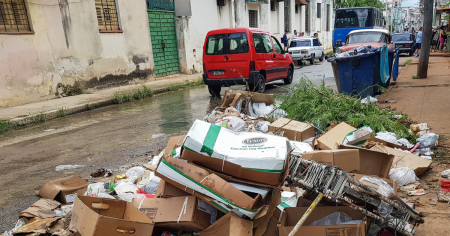
The dengue outbreak occurs in a context of fragility within the Cuban healthcare system, with limitations on medication, difficulties in accessing drinking water, and increasing complaints from the population about the lack of effective control over the breeding sites of the mosquito Aedes aegypti.
Regarding the chikungunya cases in Perico, in the province of Matanzas, it was emphasized that they are still being "addressed" and explained that it has not spread beyond this province: "It presents as a clinical picture with fever and, above all, significant joint pain."
Hepatitis A increases
In recent days, according to Durán, there has been a "discreet increase" in the number of hepatitis A cases.
Hepatitis A is a digestive transmission disease. The expert emphasized that it is eliminated through feces, and when these feces contaminate water, they can in turn contaminate vegetables that are consumed raw and are not properly washed.
"Whenever possible, one must boil the water and also add chlorine tablets, which at certain times are sold in pharmacies in our country. You add them and consume it there, and be sure to wash vegetables thoroughly with chlorinated water," he warned.
Frequently asked questions about the health situation in Cuba
What is the current situation of dengue in Cuba?
In Cuba, there is active dengue transmission in seven provinces, and currently four people are in intensive care due to the severity of the illness. Two of them are in a critical condition. The situation is exacerbated by the fragility of the Cuban healthcare system, which faces medication shortages and difficulties accessing basic resources. It is crucial for the population to seek healthcare services at the first sign of any suspicious symptoms.
How is the chikungunya outbreak being managed in Matanzas?
In the municipality of Perico, Matanzas, there is an active outbreak of chikungunya, although no severe cases or fatalities have been reported. Authorities have implemented a contingency plan that includes intensive fumigation, vector control, and environmental sanitation to try to contain the virus. Active surveillance has also been initiated to detect cases of fever, and pregnant women have been moved to a maternity home to prevent contagion.
What other diseases are currently present in Cuba?
In addition to dengue and chikungunya, the Oropouche virus is also circulating in 11 provinces in Cuba. Although this virus presents less severe clinical symptoms than dengue, its spread is more extensive. There has also been an increase in cases of hepatitis A and respiratory illnesses such as influenza, further complicating the healthcare situation on the island.
What measures are recommended to prevent dengue and other arboviral diseases in Cuba?
Health authorities recommend heightening prevention measures, such as avoiding self-medication, promptly seeking health services in case of fever or suspicious symptoms, and maintaining cleanliness in homes. It is essential to eliminate mosquito breeding sites, cover water tanks, and boil drinking water to prevent these vector-borne diseases.
Filed under: