
Related videos:
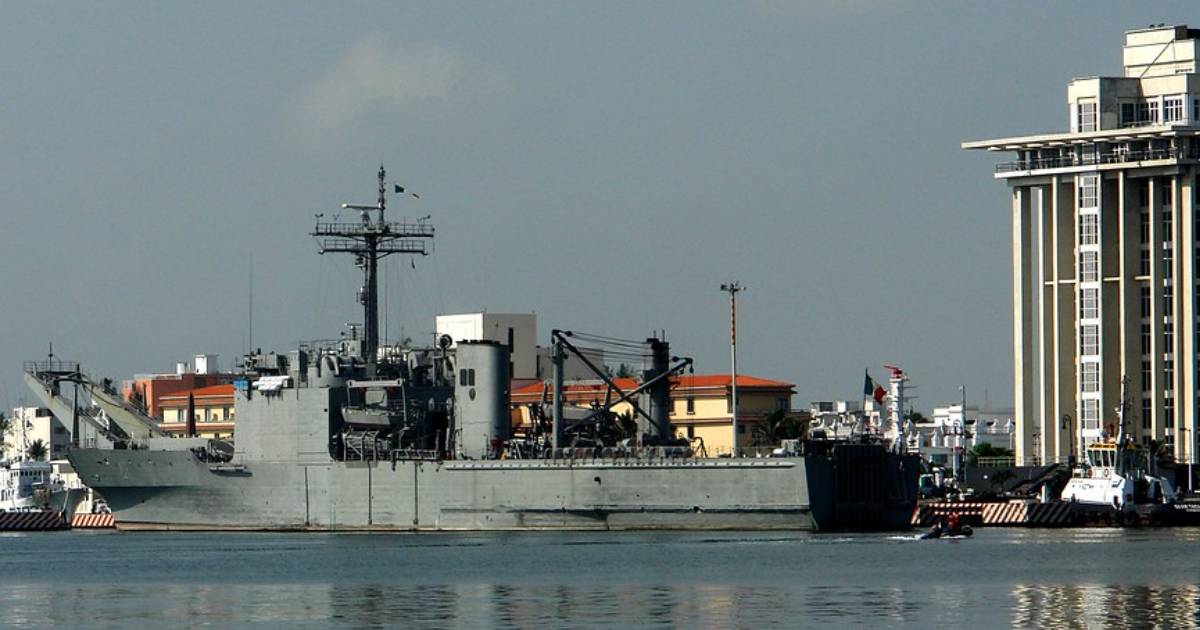
The Mexican Navy ship ARM Papaloapan (A-411) returned to the port of Veracruz after completing a new delivery of humanitarian aid to Cuba, amidst an economic and energy crisis that is strongly affecting the island, while controversy grows over the true fate of those shipments.
According to reports from AVC Noticias, the vessel transported food and essential items, including beans, rice, liquid milk, tuna, sardines, vegetable oil, cookies, and hygiene products. The shipment is part of a maritime bridge initiated by the Mexican government to support the Cuban population amid the shortage of basic goods.
El Papaloapan, together with the Huasteco, arrived in Havana at the end of February with over 1,100 tons of additional food, mainly beans and powdered milk, marking the second humanitarian shipment in less than a month.
In total, according to official Mexican information, more than two thousand tons of aid have recently been sent to the island from the port of Veracruz. The government of Mexico plans to continue the operation with new shipments, including more than 1,500 tons of powdered milk and beans that are still awaiting shipment.
The return of the Papaloapan to Veracruz also marks the beginning of preparations for new logistical operations, as the ship could set sail again for Cuba with more supplies in the coming days, reports the Mexican media.
However, the Mexican aid arrives at a particularly sensitive moment, following reports that have sparked intense debate both inside and outside the island.
A report by the Mexican channel TV Azteca recently stated that some of the food sent as donations —including the so-called "bean of wellness"— is allegedly being sold in state-run stores that operate in dollars, many of which are linked to companies controlled by the military sector.
According to the research, bags of beans from Mexico are sold to wholesale distributors for $43 for 30 kilograms, while in stores of the TRD Caribe chain, packages have been seen selling for $2.97 for half a kilogram, prices that are unaffordable for many Cubans.
The report also included testimonies from citizens who claimed they had not received any of the donated products, despite the images circulated of ships bringing aid into Havana Bay.
The complaints prompted a swift response from the Cuban government.
The Ministry of Domestic Trade (MINCIN) denied that donations are being sold and stated that the products are distributed free of charge through the warehouses, prioritizing vulnerable sectors such as pregnant women, young children, and individuals in at-risk situations.
The General Director of Merchandise Sales at MINCIN, Marpessa Portal Devilliers, stated that donations "cannot be sold" and that there are control mechanisms in place to track the destination of each product until it reaches the final consumer.
The Cuban ambassador to Mexico, Eugenio Martínez Enríquez, denied the accusations and described the report by TV Azteca as a campaign of “lies and misinformation”. According to the diplomat, the Mexican products displayed in stores would be the result of legal commercial imports, not donations.
But the controversy remains open.
Even voices of criticism have emerged from the United States. Cuban-American Congresswoman María Elvira Salazar stated that for years she has warned that part of the international aid sent to the island ends up benefiting the ruling elite rather than the population.
Meanwhile, in Cuba, the crisis continues to impact daily life. Shortages of food, prolonged blackouts, and rising inflation have left many citizens relying on remittances, the informal market, or international assistance to meet basic needs.
In this context, each ship loaded with food that arrives on the island stirs both hope and skepticism among those who wonder if these products will truly end up on the tables of Cuban families.
Filed under: